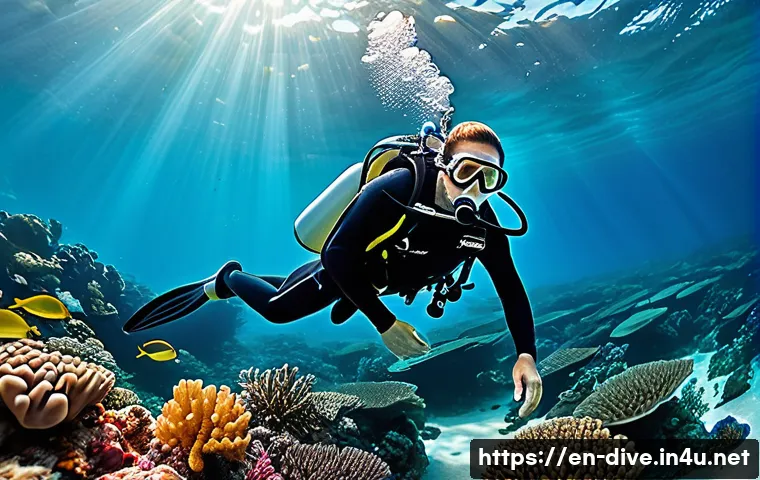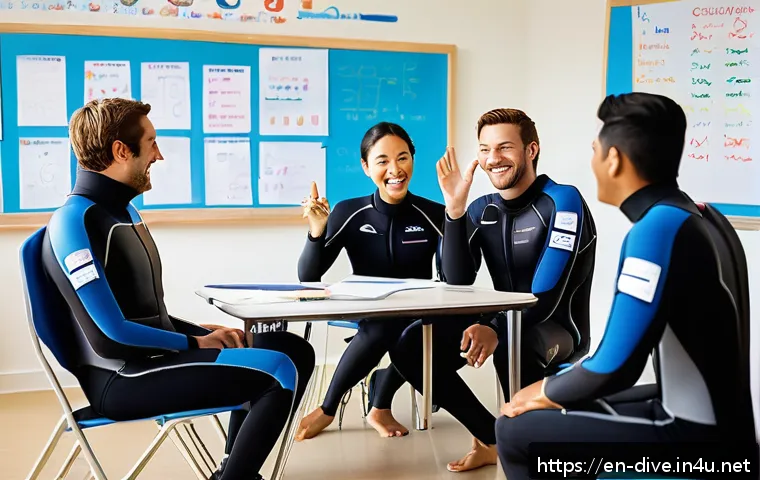
Diving into the world beneath the waves can be as thrilling as it is intimidating, especially for beginners facing common questions that spark curiosity and sometimes doubt.
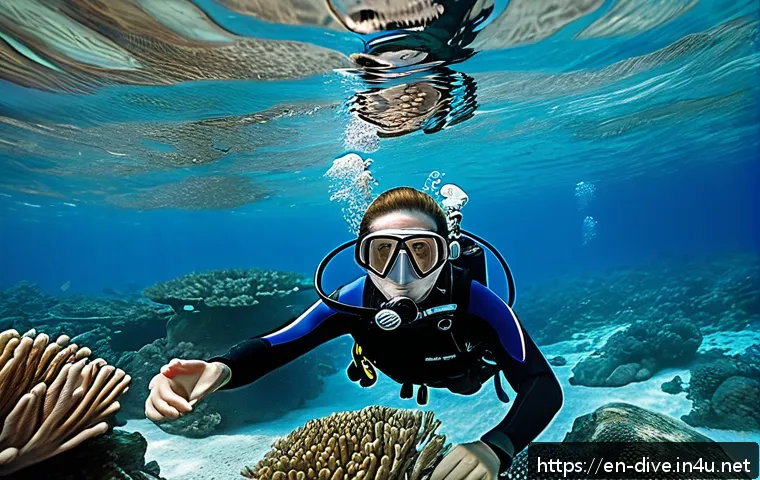
Lately, the surge in recreational diving has brought fresh challenges for instructors striving to transform these uncertainties into solid confidence.
In this post, we’ll explore how expert trainers skillfully address typical diver concerns, turning hesitation into mastery during training sessions. Whether you’re an aspiring diver or an instructor yourself, understanding this dynamic can make all the difference in your underwater journey.
Let’s dive deeper into the techniques that build trust, safety, and enthusiasm right from the first lesson.
Building Comfort and Confidence from the Start
Creating a Safe Learning Environment
When I first started teaching diving, one thing became crystal clear: students’ comfort levels vary widely, and that can make or break the entire experience.
Establishing a safe, non-judgmental space is crucial. I always begin classes with a relaxed chat, encouraging questions no matter how small or obvious they seem.
This not only breaks the ice but also builds trust. Sharing personal stories about my own initial nerves helps students feel less alone in their fears.
I’ve noticed that when learners feel psychologically safe, their focus improves dramatically during practical sessions.
Step-by-Step Skill Introduction
Rushing into complex skills overwhelms beginners, so pacing is key. I break down essential techniques into bite-sized steps, repeating them until students feel ready to move forward.
For example, mastering mask clearing or regulator recovery feels daunting until it’s practiced in a calm, controlled setting. I emphasize that mistakes are part of learning, often using humor to ease tension.
Seeing a student’s eyes light up after successfully completing a skill is incredibly rewarding and reinforces their confidence to tackle the next challenge.
Encouraging Open Communication Underwater
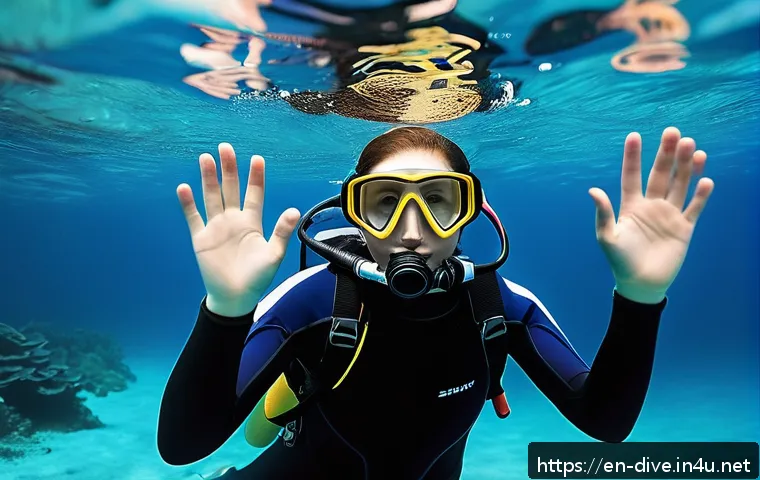
Underwater communication often worries new divers—how will I signal if something goes wrong? I introduce hand signals early and role-play scenarios on land and in shallow water.
This hands-on approach demystifies the process and reassures students that they’re never truly alone underwater. I also stress that any sign of discomfort should be voiced immediately.
Over time, students become more proactive, asking for help or clarifications without hesitation, which I consider a major milestone in their development.
Addressing Equipment Concerns and Practical Tips
Demystifying Gear Setup and Usage
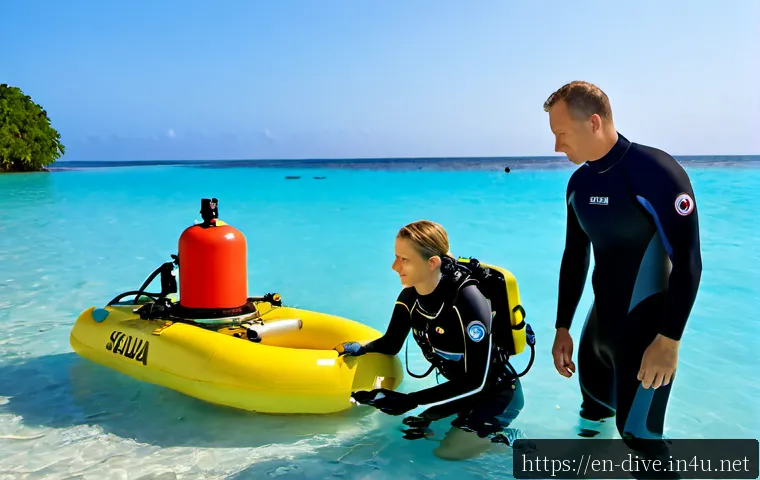
A common stumbling block is gear assembly. I remember one student who was almost paralyzed by the complexity of the BCD and regulator setup. To tackle this, I use analogies like “think of your equipment as a backpack and a straw” to simplify concepts.
Hands-on demonstrations followed by supervised practice help solidify understanding. I always encourage students to become familiar with their gear outside of class time—this extra exposure significantly reduces anxiety.
Handling Common Equipment Issues
Leaks, free flows, or foggy masks can quickly shift a diver’s focus from enjoyment to panic. I teach students troubleshooting techniques in advance, like how to clear a mask underwater or adjust straps correctly.
Sharing real-life examples of how I managed equipment hiccups underwater reassures them that these problems are normal and manageable. Practicing these fixes repeatedly ensures that when issues arise during a dive, the reaction is calm and confident rather than frantic.
Personalizing Equipment Advice
Not every piece of gear suits every diver perfectly. I make it a point to learn each student’s preferences and body type to recommend suitable equipment options.
For example, some prefer a lightweight BCD, while others need more padding or adjustability. I’ve found that personalizing equipment advice not only improves comfort underwater but also increases enthusiasm for continued diving.
Overcoming Fear of the Unknown and Environmental Concerns
Normalizing Anxiety and Encouraging Mindfulness
Fear of the unknown underwater is a very real challenge. I reassure students that feeling anxious is completely natural, especially when facing an unfamiliar environment.
Introducing simple mindfulness techniques like controlled breathing and focusing on the present moment helps reduce panic. I often guide learners through these methods during pool sessions, and seeing their calmness grow is a powerful reminder of the mind-body connection in diving.
Educating About Marine Life and Ecosystems
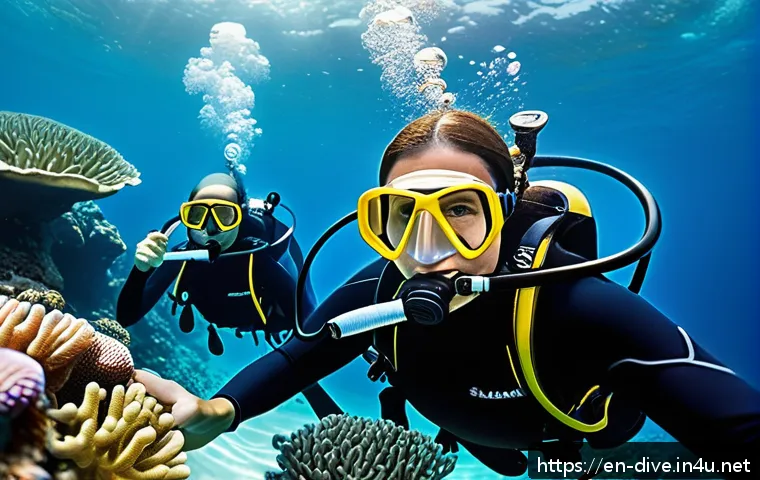
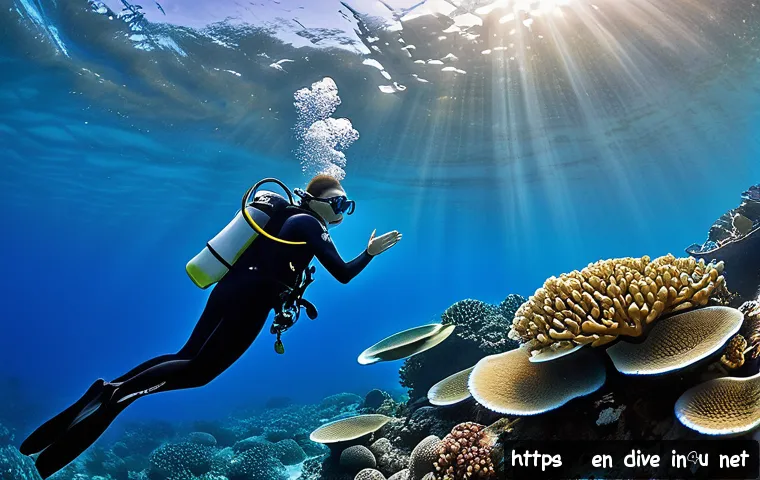
Curiosity about what lies beneath often mingles with fear of marine creatures or the environment itself. I dedicate time to educating students about local marine life behavior, emphasizing respect rather than fear.
For example, explaining that most fish are shy and uninterested in humans helps dispel myths. I also encourage observing without touching or disturbing, fostering a conservation mindset that adds meaning to their dives.
Gradual Exposure to Open Water
Transitioning from pool practice to open water is a major hurdle. I mitigate this by planning gradual exposure, starting in calm, shallow areas and progressively moving to more complex dive sites.
I share my own stories of initial hesitation to normalize their feelings. This stepwise approach allows students to acclimate comfortably and builds their excitement rather than dread.
Effective Communication Techniques During Training
Active Listening to Student Concerns
An essential part of teaching that’s often overlooked is truly listening to what students are saying—and not saying. I make a habit of asking open-ended questions and carefully observing body language.
For instance, a student might verbally say they’re fine but exhibit signs of stress underwater. Addressing these discrepancies early prevents bigger issues later.
This attentiveness builds rapport and shows students they’re valued beyond just skill execution.
Using Visual Aids and Demonstrations
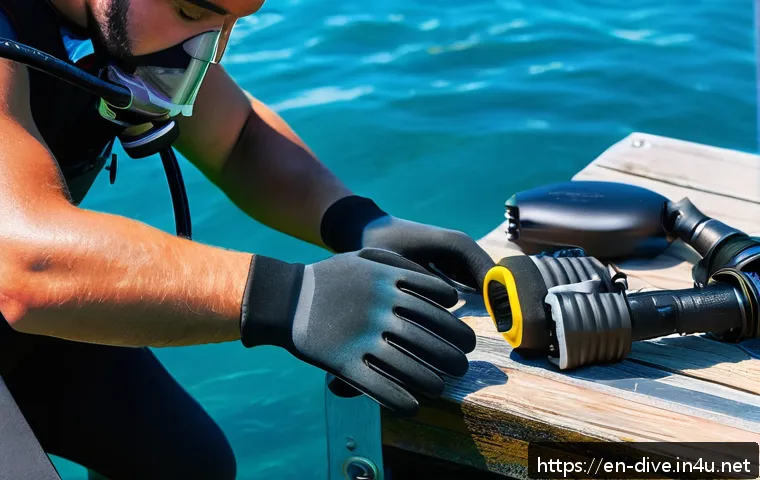
Complex concepts like buoyancy control or pressure equalization become much easier when paired with clear visual aids. I use diagrams, videos, and live demonstrations to complement verbal explanations.
This multi-sensory approach caters to different learning styles and often sparks “aha” moments. I also encourage students to teach back what they’ve learned, reinforcing retention and boosting their confidence.
Providing Constructive, Positive Feedback
Feedback is a delicate balance between encouragement and correction. I focus on highlighting what students do well before gently addressing areas for improvement.
For example, instead of saying “You’re not good at equalizing,” I say, “You’re doing great with your breathing; let’s try a slightly different technique for equalizing that might feel easier.” This positive framing motivates learners and reduces fear of failure.
Handling Emergency Preparedness and Stress Management
Drills That Build Muscle Memory
Emergency procedures can be intimidating, but repetition makes them second nature. I run realistic drills regularly, from regulator recovery to controlled ascents.
Practicing under stress in a controlled environment conditions the body and mind to respond calmly. I recall one student who, after thorough drills, confidently handled an unexpected regulator free flow during a dive, turning a potential panic into a learning triumph.
Stress Reduction Through Breathing Techniques
Breathing is the diver’s lifeline, both physically and mentally. I teach students how to maintain slow, deep breaths to reduce oxygen consumption and manage anxiety.
Incorporating breathing exercises into warm-up routines before dives helps set a calm tone. I’ve personally found that sharing these techniques has helped even the most nervous students find their underwater groove.
Empowering Through Knowledge of Safety Protocols
Confidence skyrockets when divers fully understand safety procedures. I make sure students know the why behind every protocol, from buddy checks to emergency ascents.
Explaining the rationale behind these rules removes the mystery and makes compliance feel like a smart choice rather than a chore. This empowerment transforms hesitant beginners into proactive, safety-conscious divers.
Tracking Progress and Setting Realistic Goals
Regular Skill Assessments and Adjustments
Monitoring progress is essential to keep students motivated and on track. I schedule regular check-ins to assess skills and discuss any concerns. Sometimes, adjusting the pace or revisiting fundamentals is necessary, and that’s perfectly okay.
I’ve learned that flexible teaching plans tailored to individual needs create the best outcomes.
Celebrating Milestones to Boost Motivation
Recognizing achievements, no matter how small, fuels enthusiasm. Whether it’s the first successful mask clear or a confident open water dive, I make sure to celebrate these moments verbally and sometimes with small tokens like certificates.
This recognition fosters a sense of accomplishment and encourages continued effort.
Setting Achievable, Personalized Goals
Goal-setting keeps students focused and engaged. I help learners set realistic short- and long-term goals that align with their comfort levels and aspirations.
For example, one student wanted to dive with sea turtles, so we planned skill progression accordingly. Personalizing goals makes the journey meaningful and sustains motivation.
| Common Diver Concerns | Trainer Approach | Expected Outcome |
|---|---|---|
| Fear of equipment malfunction | Hands-on gear tutorials and troubleshooting drills | Increased confidence and calmness during equipment issues |
| Difficulty with underwater communication | Early introduction of hand signals with role-playing | Clear, confident signaling and reduced anxiety |
| Managing anxiety and panic underwater | Mindfulness, breathing exercises, and gradual exposure | Improved stress management and enjoyment of dives |
| Uncertainty about marine life behavior | Educational sessions about local ecosystem and etiquette | Respectful interaction and enhanced curiosity |
| Progression speed concerns | Regular skill assessments and personalized pacing | Steady improvement and sustained motivation |
Conclusion
Building comfort and confidence from the very beginning is key to a successful diving experience. Creating a supportive environment, addressing fears openly, and personalizing training make all the difference. With patience and clear communication, learners can overcome challenges and truly enjoy the underwater world. Every small victory fuels motivation and deepens their connection to diving.
Helpful Tips to Remember
1. Always start with a relaxed conversation to ease nerves and build trust before practical sessions.
2. Break skills into manageable steps and use humor to encourage learning without fear of mistakes.
3. Practice underwater communication early through role-playing to ensure clarity and reduce anxiety.
4. Familiarize yourself with gear outside of class to boost confidence and reduce equipment-related stress.
5. Set realistic, personalized goals to maintain motivation and celebrate every achievement along the way.
Key Takeaways
Establishing psychological safety is essential for effective learning and confidence-building. Hands-on practice combined with clear, positive feedback helps transform uncertainty into competence. Managing anxiety through mindfulness and gradual exposure supports a calm mindset underwater. Understanding and personalizing equipment choices enhance comfort and enjoyment. Finally, regular progress tracking and tailored pacing ensure steady improvement and sustained enthusiasm throughout the diving journey.
Frequently Asked Questions (FAQ) 📖
Q: uestions about Overcoming Beginner Diver ConcernsQ1: How do instructors help beginners overcome fear or anxiety before their first dive?
A: Instructors often start by creating a calm and supportive environment, explaining every step clearly to demystify the process. They encourage beginners to practice breathing exercises on land and in shallow water to build comfort with their equipment.
Sharing personal experiences about overcoming initial fears also helps normalize these feelings. By gradually introducing skills in a controlled setting, instructors transform anxiety into excitement and trust in their own abilities.
Q: What techniques are used to ensure new divers feel confident with their gear?
A: Hands-on demonstrations are key—trainers guide beginners through assembling and handling their gear repeatedly until it feels second nature. They emphasize the importance of equipment checks and teach problem-solving strategies for common issues like mask clearing or regulator recovery.
This practical approach, combined with patient repetition and positive reinforcement, helps new divers build a strong sense of control and readiness before heading underwater.
Q: How do expert trainers foster safety awareness without overwhelming beginners?
A: Safety is woven into every lesson as a natural part of diving rather than a separate, daunting topic. Trainers use real-life scenarios and role-playing to illustrate why safety protocols matter, making the information relatable and memorable.
They balance caution with encouragement, empowering divers to make smart decisions confidently. By pacing the introduction of safety concepts and celebrating small achievements, instructors help beginners internalize safe habits while keeping the experience enjoyable.