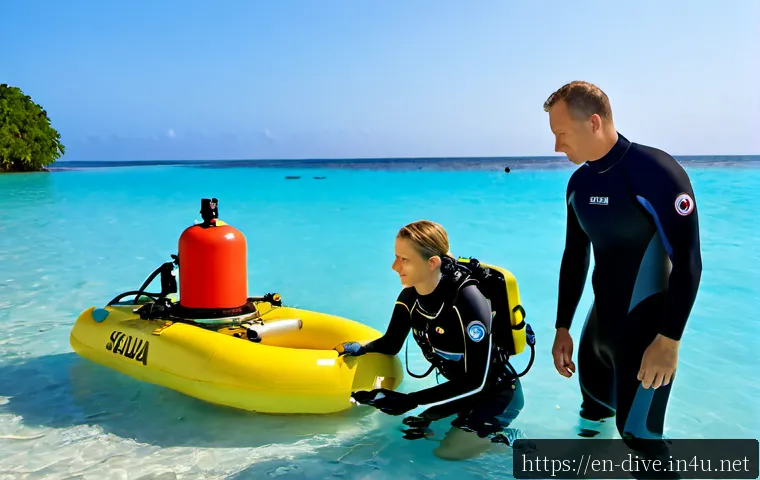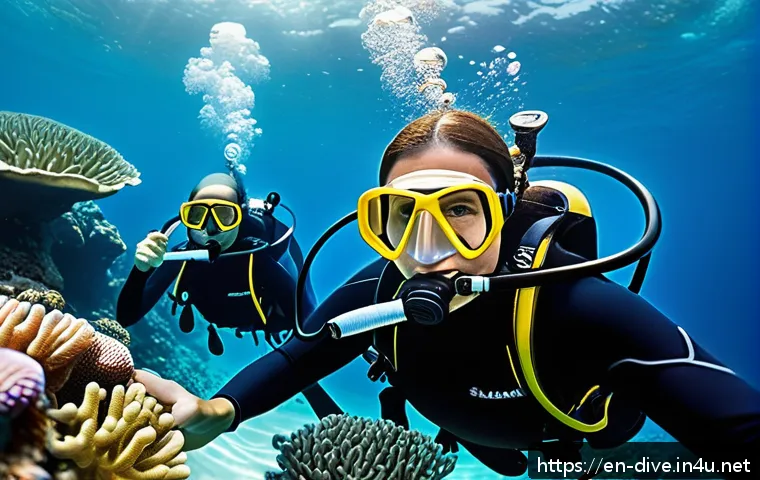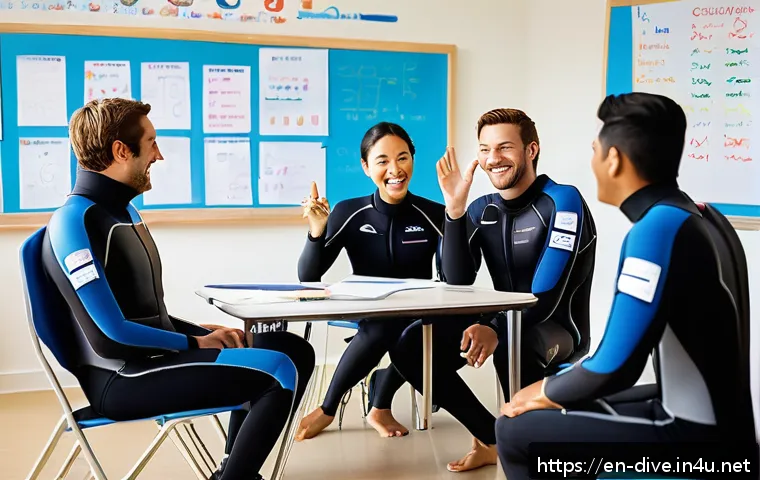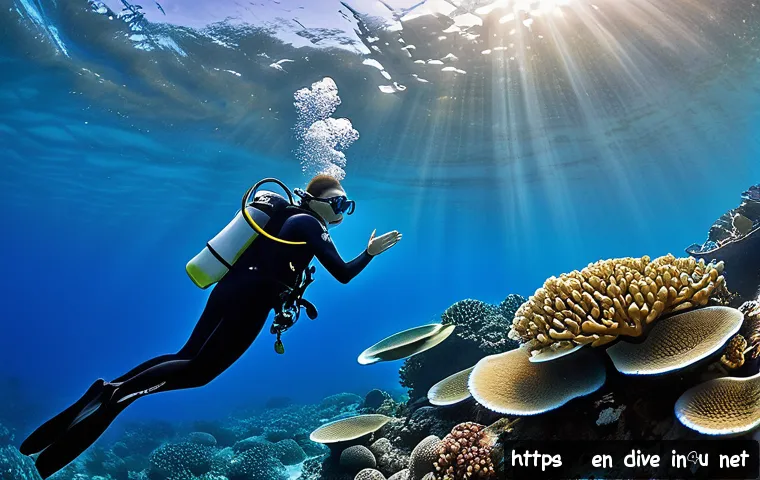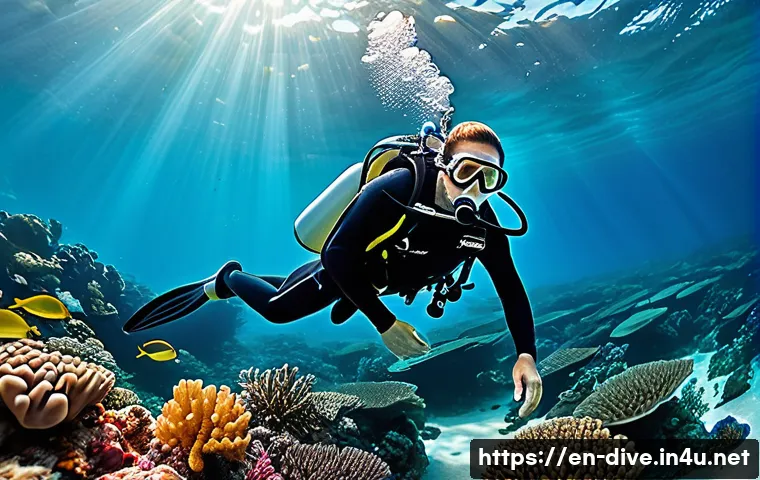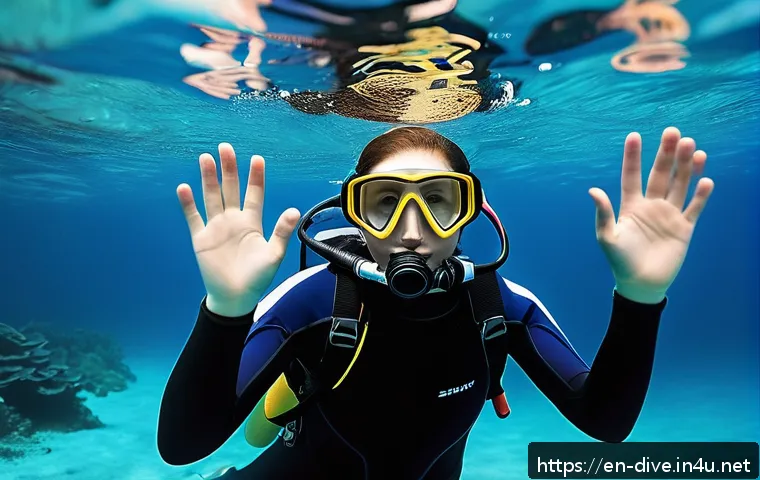
Diving into the world beneath the waves isn’t just about mastering skills—it’s about understanding people. Recently, instructors have been paying closer attention to how different personality types influence a diver’s learning journey.
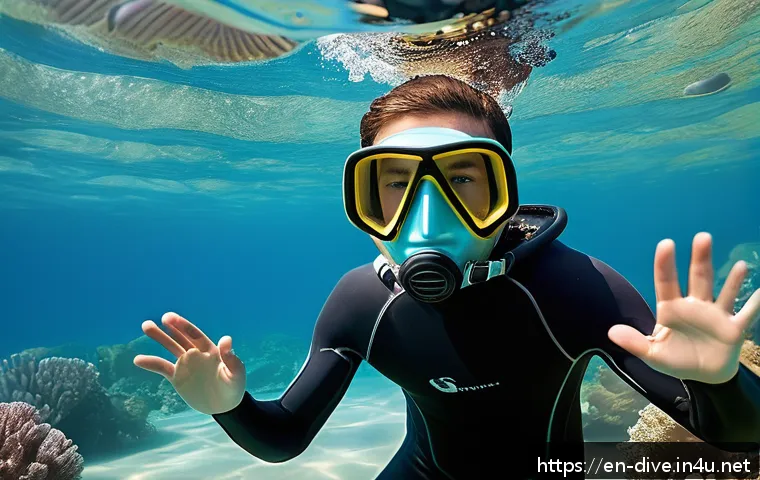
Whether you’re an introvert or a thrill-seeker, these insights can transform training methods and boost confidence underwater. In today’s post, we’ll explore how recognizing student personalities helps instructors unlock each diver’s full potential.
Stick around to discover tips that could change the way you approach diving education forever.
Adapting Instruction to Different Learning Styles
Visual Learners Thrive with Demonstrations
For divers who absorb information best through sight, watching a skill demonstrated makes a huge difference. In my experience, showing clear hand signals, body positioning, and equipment handling underwater helps these learners grasp complex techniques quickly.
Instead of just explaining, I often use underwater videos or real-time demonstrations so they can mimic movements accurately. This visual reinforcement builds their confidence and reduces hesitation during actual dives.
It’s rewarding to see their progress accelerate once they can visualize what’s expected.
Kinesthetic Learners Need Hands-On Practice
Some students learn best by doing rather than watching or listening. These kinesthetic learners benefit immensely from repeated physical practice, feeling the equipment, and experiencing the buoyancy and resistance underwater firsthand.
I noticed that allowing them to experiment with fin kicks or mask clearing early on helps them internalize skills faster. Encouraging trial and error without pressure enables them to correct mistakes intuitively.
This approach often makes their learning curve steeper but more sustainable in the long run.
Auditory Learners Respond to Clear Verbal Guidance
Certain divers pick up cues and instructions best through listening. For these students, I make it a point to give concise, step-by-step verbal instructions before and during the dive.
I’ve learned that using calm, reassuring tones reduces their anxiety, especially when practicing emergency drills. They also appreciate explanations of why each skill matters, linking theory with practice.
This method helps them process and remember procedures more effectively, particularly when paired with post-dive discussions.
Recognizing Personality Traits to Build Trust
Introverted Divers Prefer One-on-One Interaction
Introverted students often feel overwhelmed in group lessons, which can hinder their learning. I’ve found that creating a quiet, supportive environment where they can ask questions privately boosts their comfort and engagement.
These divers tend to reflect deeply on feedback, so giving them time to absorb information before moving on is key. Patience and gentle encouragement help them open up, and once they feel safe, their underwater confidence blossoms remarkably.
Extroverted Learners Thrive on Social Energy
On the flip side, extroverted divers usually draw energy from group dynamics and lively discussions. They often enjoy sharing their experiences and learning from peers.
I incorporate group challenges and buddy exercises that foster interaction and friendly competition, which keeps them motivated. Their enthusiasm can be contagious, positively influencing quieter students as well.
Harnessing their social nature creates a dynamic learning atmosphere where everyone benefits.
Risk-Takers Need Balanced Encouragement
Some divers are natural thrill-seekers who push boundaries, eager to try advanced maneuvers quickly. While their adventurous spirit is inspiring, it requires careful management to ensure safety and solid skill foundation.
I make it a point to acknowledge their eagerness while emphasizing the importance of mastering basics first. Offering controlled opportunities to explore new challenges helps satisfy their curiosity without compromising safety.
This balance builds respect and trust between instructor and student.
Tailoring Feedback to Maximize Improvement
Positive Reinforcement Builds Confidence
I’ve observed that encouraging words and highlighting progress, no matter how small, can dramatically affect a diver’s mindset. Celebrating successes motivates students to keep pushing through difficulties.
For example, pointing out a smoother regulator recovery or better buoyancy control encourages continued effort. Positive feedback also reduces fear and stress underwater, creating a more enjoyable learning experience.
Constructive Criticism Requires Sensitivity
Giving critical feedback is a delicate art, especially underwater when communication is limited. I’ve learned to phrase corrections in a supportive way, focusing on how adjustments will enhance safety and ease.
Using simple hand signals or pre-arranged cues helps avoid confusion. Post-dive debriefs provide a perfect moment for more detailed discussion, where tone and empathy play crucial roles in maintaining student morale.
Encouraging Self-Assessment and Reflection
Helping divers develop self-awareness accelerates their growth. I encourage students to reflect on their performance after each dive, identifying what went well and what could improve.
This practice fosters independence and critical thinking. Sometimes, I ask guiding questions like “How did you feel during the ascent?” or “What would you do differently next time?” Over time, this habit empowers learners to take ownership of their progress.
Building Emotional Resilience for Challenging Conditions
Managing Anxiety Through Preparation
Many divers face anxiety, especially when tackling new environments or complex skills. I’ve found that thorough pre-dive briefings and simulation drills help alleviate fears by setting clear expectations.
Teaching breathing techniques and mental visualization also calms nerves. When students feel prepared, their performance improves, and they enjoy the dive more.
Encouraging a Growth Mindset
Promoting the idea that mistakes are part of learning helps divers overcome frustration and setbacks. Sharing my own early diving blunders reassures students that progress is not always linear.
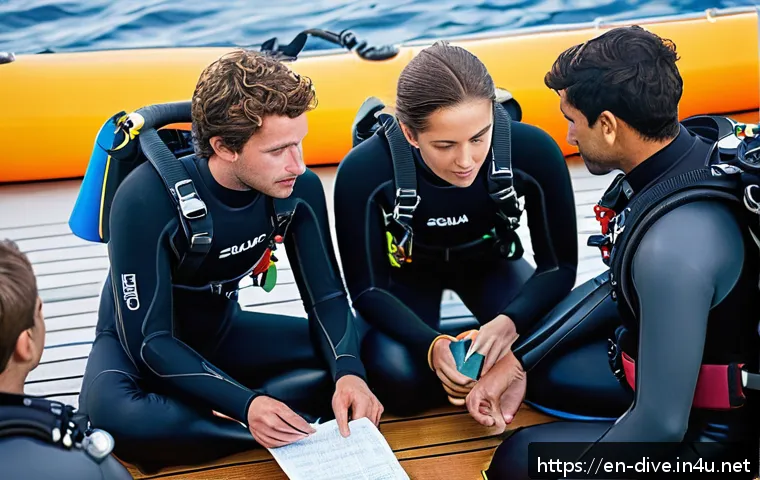
Emphasizing effort over perfection encourages persistence. I’ve seen this mindset transform hesitant learners into confident divers who embrace challenges.
Supporting Peer Encouragement
Creating a sense of community among students fosters emotional support. I often facilitate buddy check-ins and group discussions where divers share tips and cheer each other on.
This camaraderie reduces feelings of isolation and boosts morale, especially for those who struggle with confidence.
Utilizing Personality Insights to Enhance Safety Protocols
Personalizing Emergency Training
Understanding personality types helps tailor emergency response drills effectively. For example, anxious divers may need slower-paced, repetitive practice to build assurance, while confident thrill-seekers might benefit from scenario variations to maintain engagement.
Matching training style to personality ensures skills are internalized rather than just memorized.
Monitoring Stress Signals Underwater
Experienced instructors learn to recognize subtle stress cues like rapid breathing or tense body language. Introverted or anxious students might withdraw, while extroverted ones could become overly reactive.
Adjusting dive plans or providing immediate reassurance based on these observations prevents incidents and keeps everyone safe.
Creating Clear Communication Plans
Different personalities respond uniquely to underwater communication. Some prefer direct, no-nonsense signals; others need more detailed explanations pre-dive.
Establishing agreed-upon cues that consider individual preferences reduces confusion during critical moments. Consistent communication practices build trust and efficiency.
Enhancing Motivation Through Goal Setting
Setting Realistic, Personalized Goals
I always collaborate with students to set achievable objectives tailored to their experience and personality. For cautious divers, small milestones like mastering mask clearing build momentum, while ambitious learners might aim for specialty certifications.
This personalized approach keeps motivation high and progress tangible.
Tracking Progress Visually
Keeping a visible record of skills mastered, dive counts, and certifications works wonders. Many divers enjoy seeing their journey laid out, which reinforces commitment.
I sometimes use charts or apps to help students track achievements, turning learning into a rewarding game.
Celebrating Milestones Together
Marking accomplishments with group celebrations or simple acknowledgments strengthens the student-instructor bond. Recognizing effort publicly boosts self-esteem and encourages continued participation.
This social reinforcement is especially effective for extroverted learners but benefits all.
| Personality Type | Preferred Learning Style | Effective Instruction Methods | Motivational Techniques |
|---|---|---|---|
| Introvert | Reflective, one-on-one | Private feedback, patient pacing | Quiet encouragement, small milestones |
| Extrovert | Interactive, social | Group activities, lively discussions | Group recognition, friendly competition |
| Visual Learner | Demonstrations, videos | Clear visual cues, real-time modeling | Visual progress tracking |
| Kinesthetic Learner | Hands-on practice | Repetitive drills, experiential learning | Trial and error encouragement |
| Auditory Learner | Verbal instruction | Step-by-step explanations, calming tone | Post-dive discussions |
| Risk-Taker | Challenge seeking | Controlled exploration, safety emphasis | Balanced encouragement |
Closing Thoughts
Adapting instruction to different learning styles and personality traits is key to effective diving education. By understanding each diver’s unique needs, instructors can create a supportive environment that fosters growth, confidence, and safety. Tailored approaches not only enhance skill mastery but also build lasting trust and motivation.
Helpful Information
1. Recognizing learning styles—visual, kinesthetic, and auditory—allows instructors to customize teaching methods for better retention and engagement.
2. Understanding personality traits such as introversion or extroversion helps tailor communication and interaction for more comfortable learning experiences.
3. Positive reinforcement combined with sensitive constructive feedback boosts confidence and encourages continuous improvement.
4. Building emotional resilience through preparation and peer support helps divers manage anxiety and embrace challenges underwater.
5. Setting realistic goals and tracking progress visually keeps motivation high and celebrates milestones, strengthening the student-instructor connection.
Key Takeaways
Effective dive instruction hinges on personalized approaches that respect individual learning preferences and personality differences. Creating a balanced mix of visual, hands-on, and verbal guidance, alongside emotional support and clear communication, ensures divers develop skills safely and confidently. Emphasizing patience, encouragement, and goal-setting transforms the learning journey into an empowering and enjoyable experience for every diver.
Frequently Asked Questions (FAQ) 📖
Q: uestionsQ1: How does understanding a diver’s personality type improve their learning experience?
A: Recognizing a diver’s personality allows instructors to tailor their teaching approach, making lessons more effective and enjoyable. For example, introverted students might benefit from a slower pace and more one-on-one guidance, while adventurous types may thrive with challenging exercises that keep their enthusiasm high.
This personalized attention helps reduce anxiety and builds confidence, ultimately leading to safer and more skilled divers.
Q: Can personality-based training methods help overcome common fears associated with diving?
A: Absolutely. When instructors identify specific personality traits, they can address fears more empathetically and strategically. Someone who’s naturally cautious might need gradual exposure and reassurance, whereas a risk-taker may require clear boundaries and safety reminders.
By aligning the training style with the diver’s mindset, fears can be managed more effectively, making the underwater experience less intimidating and more empowering.
Q: What practical tips can instructors use to adapt their teaching to different personality types?
A: One useful strategy is to start by observing how students respond to initial instructions—are they eager to jump in or hesitant? Communicating openly to understand their motivations and concerns is key.
For introverts, providing written materials or quiet practice sessions can help, while extroverts might benefit from group activities and interactive challenges.
Flexibility in lesson plans and patience go a long way in nurturing each diver’s potential. From my experience, this personalized approach not only speeds up skill acquisition but also creates a stronger bond between instructor and student.