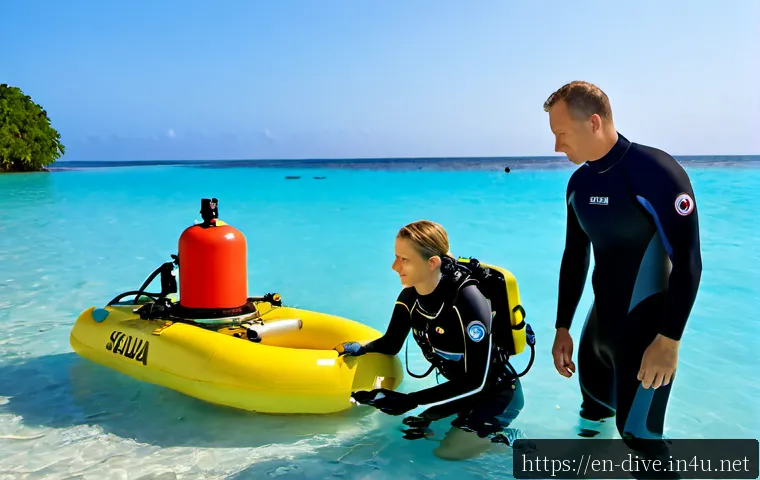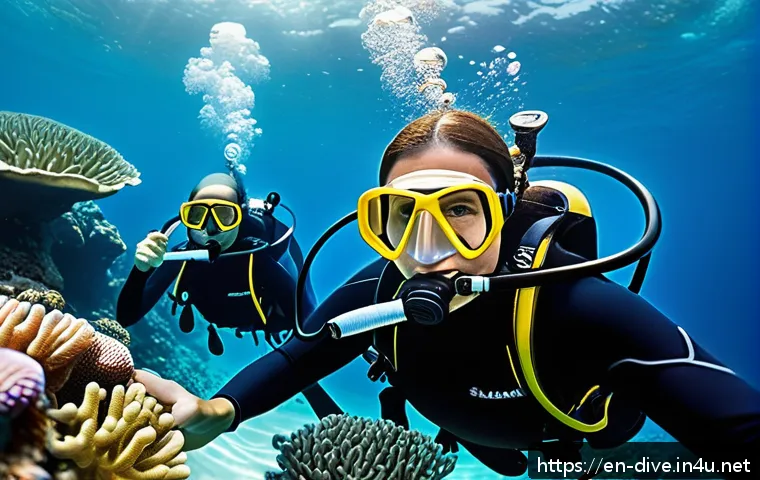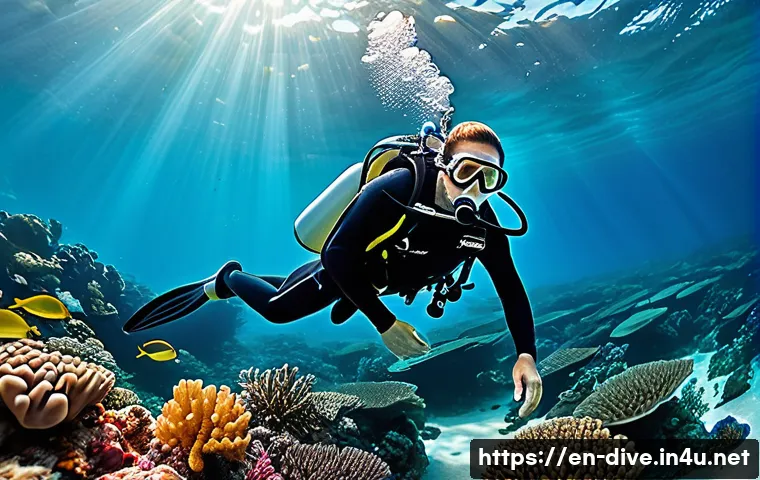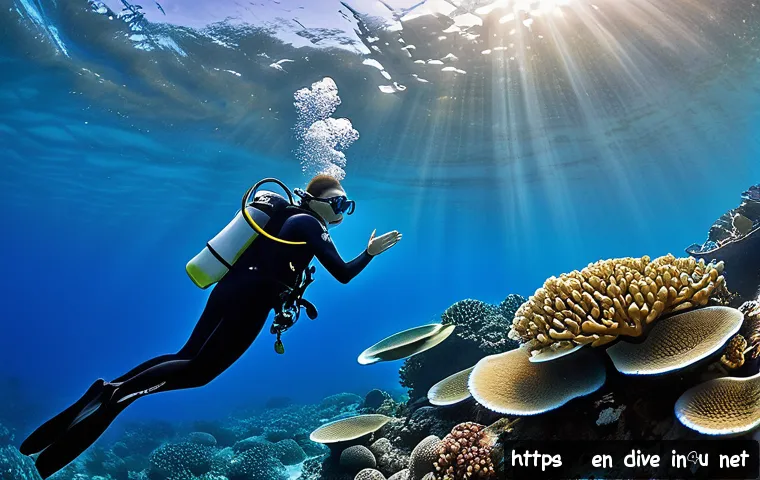
In a world where adventure and career growth intersect, diving instructors are discovering exciting new paths beyond the traditional dive shop. With the surge in eco-tourism and underwater technology advancements, the demand for skilled professionals is evolving rapidly.
If you’ve ever wondered how to turn your passion for diving into a sustainable and rewarding career, now’s the perfect time to dive deeper. Let’s explore how emerging opportunities are reshaping the future for diving instructors and what this means for your next big move.
Expanding Horizons: Diving Careers Beyond the Dive Shop
Specialized Eco-Tourism Roles
The rise of eco-tourism has opened a myriad of roles for diving instructors who want to combine their passion for the ocean with environmental stewardship.
No longer limited to teaching basic scuba skills, instructors are now guiding eco-conscious travelers through coral reef restoration projects, marine wildlife monitoring, and sustainable diving practices.
This shift not only broadens your skill set but also increases your marketability as travelers seek authentic, responsible experiences. From leading citizen science expeditions to collaborating with conservation groups, the opportunities in eco-tourism can provide both fulfilling work and steady income streams.
Personally, I found that embracing these roles gave me a deeper connection to the underwater world and a sense of purpose beyond just instruction.
Underwater Technology and Innovation
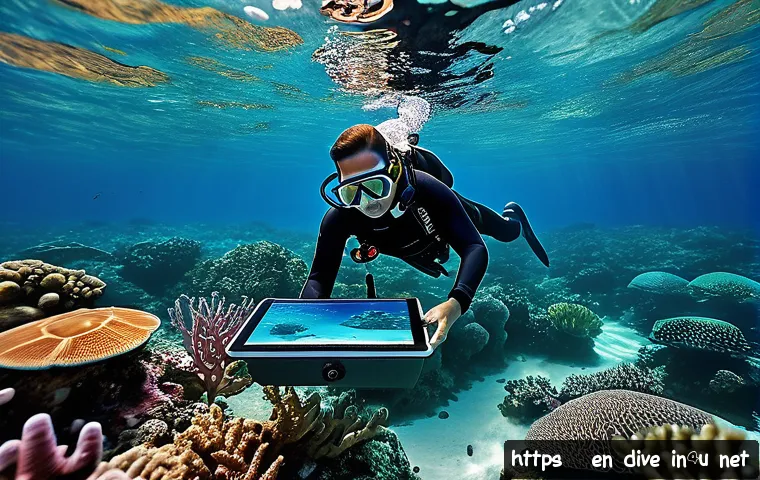
With advancements in underwater robotics, sonar mapping, and augmented reality dive guides, the demand for instructors skilled in these technologies is booming.
Diving professionals who stay updated with new gadgets and software are increasingly sought after by research teams, film crews, and tech companies. For instance, being proficient in operating underwater drones or interpreting 3D reef scans can set you apart in competitive markets.
I’ve witnessed colleagues transform their careers by becoming certified in these tech applications, which also tend to offer better pay and more diverse projects.
Diving instructors who invest time in learning about these tools can tap into cutting-edge industries, blending adventure with high-tech expertise.
Building a Brand: From Instructor to Influencer
Leveraging Social Media to Attract Clients
In today’s digital age, diving instructors have the unique opportunity to build personal brands that attract a global audience. Sharing underwater photos, instructional tips, and travel stories on platforms like Instagram, YouTube, and TikTok can turn a passion into a powerful marketing tool.
I noticed that instructors who consistently post engaging content not only gain followers but also receive invitations to collaborate with dive resorts, gear brands, and eco-tourism operators.
This kind of visibility can lead to sponsorship deals, affiliate marketing income, and even paid speaking engagements. Essentially, your online presence can become a revenue stream in itself.
Creating Educational Content and Online Courses
Beyond social media, many diving pros are developing their own online courses, webinars, and tutorials. Offering specialized training in areas like advanced navigation, underwater photography, or marine biology allows instructors to monetize their expertise while reaching students worldwide.
I’ve personally experimented with hosting virtual workshops and found them rewarding both financially and in terms of audience engagement. Plus, online education gives you flexibility in location and schedule, which is ideal for those seeking a nomadic lifestyle.
Crafting high-quality content also builds your authority in the diving community, enhancing long-term career prospects.
Corporate and Research Collaborations
Partnering with Marine Research Institutions
Many research institutions are actively seeking experienced diving instructors to assist with underwater data collection and logistical support. These collaborations often involve working on coral reef health, fish population studies, or pollution assessments.
Diving instructors with additional certifications in scientific diving or data management are especially in demand. I had the chance to participate in a reef restoration project and found the experience invaluable for expanding my skill set and professional network.
Working alongside scientists can also lead to publishing opportunities or invitations to international conferences, boosting your career profile.
Consulting for Dive Equipment Manufacturers
Equipment companies frequently collaborate with seasoned instructors to test new gear, provide feedback, and create training materials. Your hands-on experience makes you a valuable asset for product development, marketing strategies, and customer education.
I’ve met instructors who transitioned into full-time consulting roles, enjoying more stable incomes and office-based work without losing their connection to diving.
This path can be a great alternative for those looking to reduce time spent in the water while staying involved in the industry.
Specialized Training and Certifications
Becoming a Technical or Cave Diving Instructor
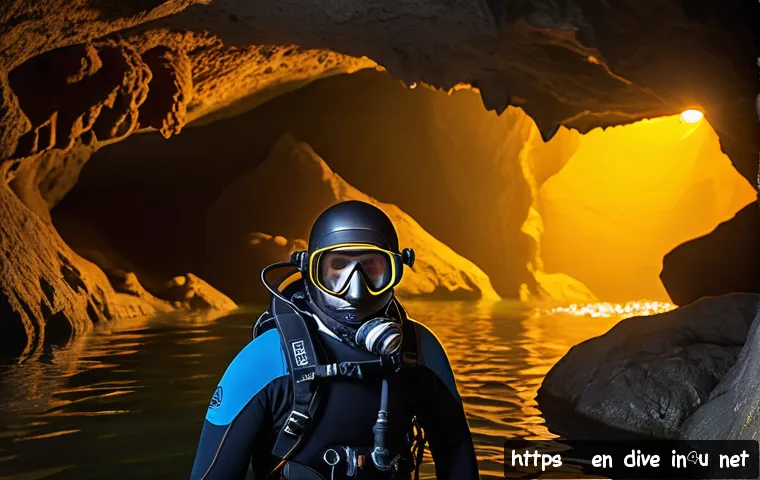
For instructors craving more challenge and expertise, pursuing technical or cave diving certifications can open exclusive niches. These advanced disciplines require rigorous training but come with high demand in specialized dive centers and expeditions.
I took the plunge into technical diving myself and found it transformed how I approach teaching and safety. Clients seeking expert-level instruction are willing to pay premium rates, which makes this a lucrative avenue.
Plus, technical diving often involves exploring less crowded, pristine sites—adding an adventurous edge to your career.
Marine Conservation and Rescue Training
Adding qualifications in marine conservation or emergency response can significantly enhance your professional credibility. Courses in marine mammal rescue, underwater emergency first response, or environmental impact assessment broaden your service offerings.
I found that these certifications not only increased my job opportunities but also deepened my engagement with community initiatives. Being recognized as a conservation-minded instructor attracts clients who value ethical diving and safety, helping build long-term relationships and trust.
Freelance and Remote Work Opportunities
Mobile Dive Instruction and Travel Consulting
Gone are the days when diving instructors had to be tied to one location. Many professionals now operate as freelance instructors, traveling between dive resorts or working as private guides for high-end clients.
This flexibility allows you to tailor your career to your lifestyle, whether you prefer island hopping or seasonal work. I’ve personally enjoyed the freedom that comes with being a mobile instructor, though it requires strong networking and marketing skills to maintain a steady flow of clients.
Offering custom travel planning and dive consulting services can also supplement your income.
Remote Coaching and Virtual Dive Support
With the rise of virtual reality and live-streaming technology, some instructors are experimenting with remote coaching. This involves guiding divers through training or troubleshooting via video calls or interactive apps.
Though still emerging, this approach is gaining traction, especially for specialized skills or refresher courses. I tried remote coaching during off-season periods and found it a useful way to stay connected with clients and generate income without geographic constraints.
As technology improves, this niche could become a stable part of the diving instructor’s toolkit.
Compensation Trends and Job Market Insights
Salary Expectations Across Different Diving Roles
Understanding how various diving roles compensate can help you make informed career decisions. Entry-level instructors working in popular tourist destinations might earn modest hourly rates but benefit from tips and accommodation perks.
In contrast, specialized instructors in technical diving, conservation, or corporate consulting often command higher salaries and more consistent work.
Location also plays a critical role, with instructors in regions like the Caribbean or Southeast Asia experiencing different market dynamics compared to those in the US or Europe.
Job Market Growth and Regional Opportunities
As eco-tourism and underwater technology sectors expand, regions investing in marine conservation and tourism infrastructure are becoming hotspots for diving professionals.
Places like Australia’s Great Barrier Reef, Indonesia, and the Maldives offer abundant job opportunities but also require adaptability to local cultures and regulations.
Staying informed about regional trends and building a diverse skill set can help you navigate this evolving landscape. I recommend connecting with local dive communities and attending industry events to keep a pulse on emerging markets.
| Career Path | Key Skills | Typical Salary Range | Growth Potential |
|---|---|---|---|
| Eco-Tourism Guide | Environmental knowledge, guiding, conservation techniques | $30,000 – $50,000 per year | High, driven by sustainable travel trends |
| Technical Diving Instructor | Advanced diving skills, safety management, equipment handling | $50,000 – $80,000 per year | Moderate to high, niche market |
| Underwater Tech Specialist | Robotics operation, data analysis, tech troubleshooting | $60,000 – $90,000 per year | High, emerging technology sector |
| Online Educator/Influencer | Content creation, marketing, diving expertise | Varies widely ($20,000 – $100,000+) | High, dependent on audience and engagement |
| Research Diver | Scientific diving, data collection, teamwork | $40,000 – $70,000 per year | Moderate, project-based opportunities |
Conclusion
Diving careers today offer far more than just teaching at dive shops. Exploring specialized roles, embracing technology, and building a personal brand can open doors to fulfilling and lucrative opportunities. Whether you’re drawn to eco-tourism, research, or online education, divers who adapt and expand their skills stand out in this evolving industry. The ocean holds endless possibilities for those willing to dive deeper into their passion.
Useful Information to Keep in Mind
1. Diversifying your skills beyond basic instruction increases job security and income potential.
2. Staying updated with underwater technology can place you at the forefront of exciting new career paths.
3. Building a strong online presence helps attract clients and creates additional revenue streams.
4. Collaborating with research institutions and equipment manufacturers broadens professional networks and enhances credibility.
5. Pursuing advanced certifications opens doors to niche markets with higher pay and unique experiences.
Key Takeaways
Expanding your diving career requires continuous learning and flexibility. Embrace opportunities in eco-tourism, technology, and education to diversify your income and deepen your expertise. Networking and personal branding are essential to stand out in a competitive market. Finally, advanced training and certifications not only boost your credibility but also unlock specialized, rewarding career paths. With these strategies, you can transform your passion for diving into a sustainable and dynamic profession.
Frequently Asked Questions (FAQ) 📖
Q: What new career opportunities are emerging for diving instructors beyond traditional dive shops?
A: Diving instructors today are stepping into roles like eco-tourism guides, marine conservation educators, and underwater technology trainers. With the rise of sustainable travel, many instructors are partnering with conservation groups to lead responsible dive tours that focus on protecting marine life.
Additionally, advances in underwater drones and dive computer technology have created demand for instructors who can teach tech-savvy divers how to use these tools safely and effectively.
These roles not only offer fresh challenges but also higher earning potential and greater career stability.
Q: How can diving instructors adapt their skills to benefit from the growth in eco-tourism?
A: To thrive in eco-tourism, diving instructors need to deepen their knowledge of marine ecosystems and sustainability practices. Getting certifications in marine biology or environmental education can help instructors become credible guides for eco-conscious travelers.
Emphasizing low-impact diving techniques and educating clients about ocean conservation adds value to their services. I’ve noticed instructors who embrace these skills often attract more bookings because travelers today want meaningful experiences that contribute positively to the environment.
Q: What should diving instructors consider when exploring careers in underwater technology?
A: Diving instructors interested in underwater technology should focus on gaining hands-on experience with the latest gadgets like underwater drones, rebreathers, and dive computers.
Many companies offer specialized training programs that blend diving expertise with tech skills, which can open doors to roles in equipment testing, sales, or training.
From my personal experience, staying updated on technological trends and building relationships with manufacturers can lead to exciting collaborations and consulting opportunities.
It’s also crucial to maintain strong safety standards since these technologies often require precise handling underwater.