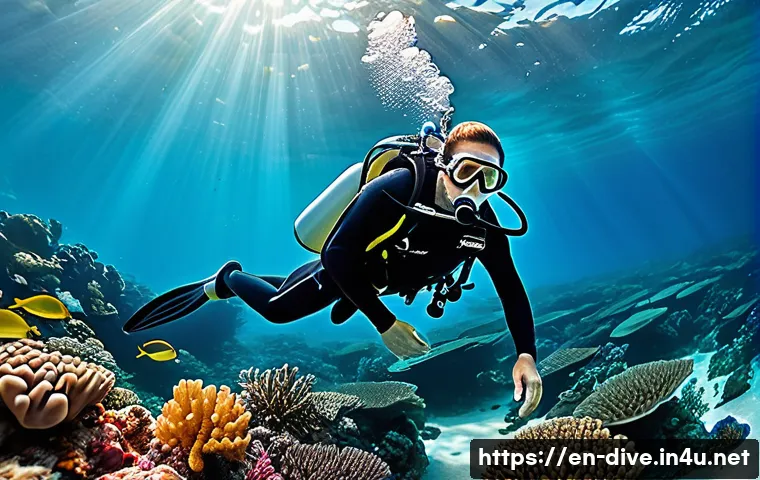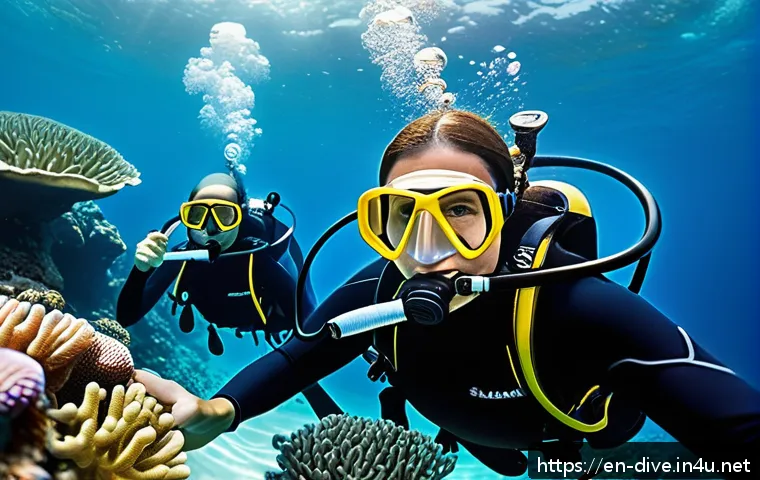
In today’s fast-evolving diving industry, mastering instructor skills quickly isn’t just an advantage—it’s essential for standing out and advancing your career.
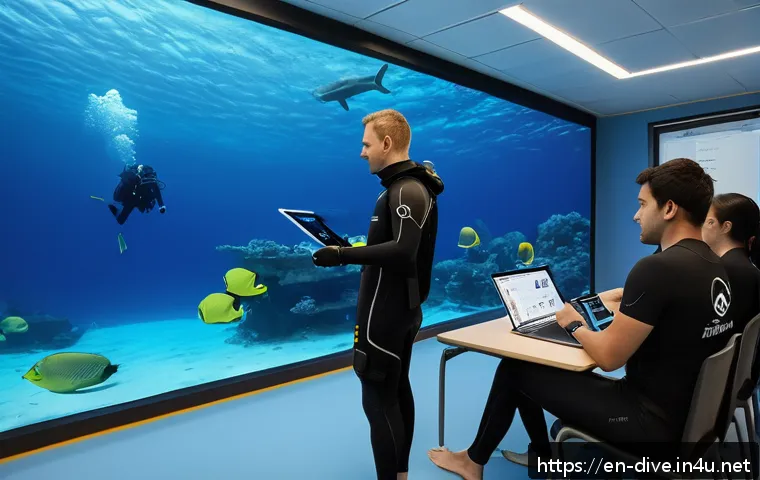
Whether you’re just starting or looking to sharpen your expertise, gaining real-world experience can transform your teaching approach and boost your credibility.
With new safety protocols and technology shaping the way we dive, staying ahead means embracing hands-on learning and continuous growth. Let’s dive into practical strategies that will help you build confidence, connect with your students, and accelerate your journey as a top-notch diving instructor.
Ready to make waves in your career? Keep reading to discover how to turn skills into success.
Enhancing Teaching Techniques Through Real-World Interaction
Immersive Student Engagement
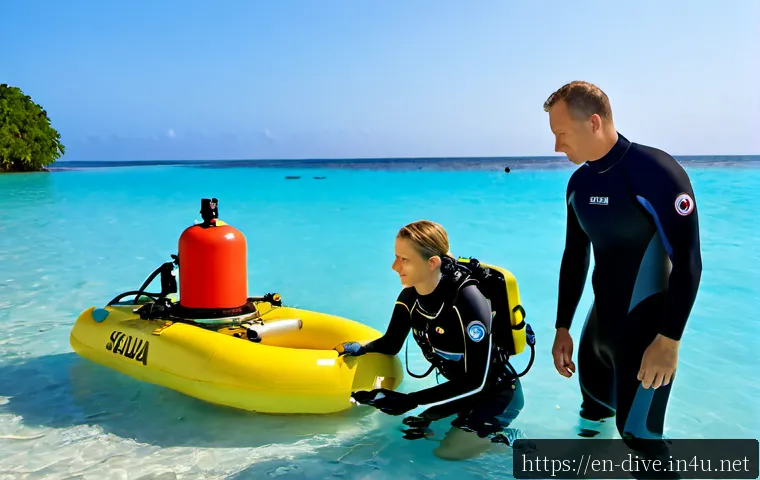
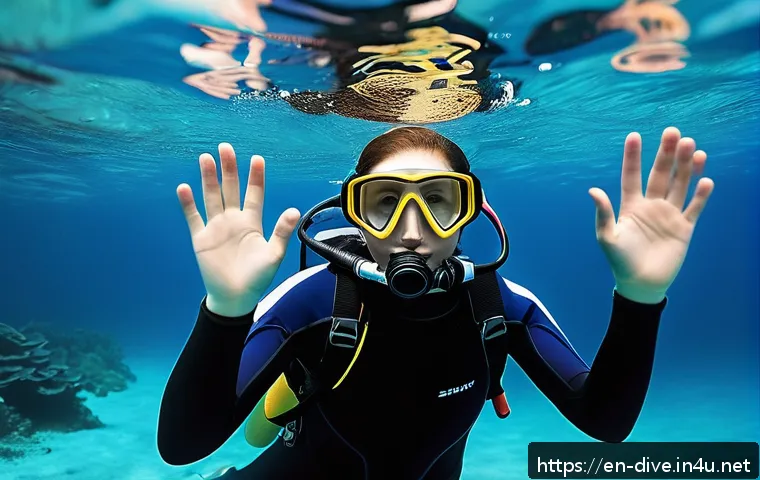
Nothing beats the experience gained from direct interaction with students during actual dive sessions. When you’re face-to-face with learners in the water, you quickly learn to read their non-verbal cues—like hesitation or excitement—and adjust your teaching style accordingly.
For example, I noticed early on that some beginners relax more when you share personal stories or jokes underwater, making the atmosphere less tense and boosting their confidence.
This real-time feedback loop is invaluable and can’t be replicated through textbooks or online courses.
Adapting to Varied Learning Styles
Every diver absorbs information differently. Some thrive on detailed explanations, while others benefit from hands-on demonstration or visual aids. Gaining practical experience allows you to recognize these preferences swiftly and tailor your instruction.
Over time, I developed a habit of offering multiple ways to grasp a concept—whether it’s showing a skill on video, performing it live, or breaking it down into simple steps.
This flexibility not only improves retention but also enhances your reputation as an approachable, effective instructor.
Building Confidence Under Pressure
The unpredictability of open-water environments means you must stay calm and composed, especially when guiding novice divers. Handling unexpected situations, like sudden weather changes or equipment issues, sharpens your problem-solving skills and builds your confidence.
I remember a time when a student’s regulator malfunctioned mid-dive; calmly managing the emergency and reassuring the group deepened my trustworthiness and taught me lessons no classroom could offer.
Utilizing Technology to Refine Instruction
Incorporating Dive Computers and Apps
Modern dive computers and mobile apps provide real-time data that can be shared with students to enhance learning. By reviewing dive profiles together post-dive, you help learners understand their performance and areas for improvement.
From personal experience, using apps that track ascent rates or air consumption has made debriefings more engaging and insightful, turning abstract safety concepts into concrete feedback.
Virtual Reality and Simulation Training
While nothing replaces the real ocean, VR simulations offer a safe, controlled environment for beginners to practice skills before entering the water.
I’ve seen firsthand how students who use these tools feel more prepared and less anxious during their first open-water dives. Integrating VR as a supplementary tool can elevate your teaching approach and appeal to tech-savvy divers.
Online Platforms for Continuous Learning
Maintaining an online presence through blogs, forums, or video tutorials can supplement your in-person teaching. Sharing tips, answering questions, and providing updates on new protocols helps establish your authority and keeps students engaged between sessions.
I found that regularly posting dive safety reminders and skill refreshers online increased student retention and attracted new learners.
Mastering Safety Protocols Through Practice
Repetitive Drills and Scenario Training
Repetition is key when it comes to safety drills. Practicing emergency procedures like mask clearing, controlled emergency ascents, or buddy breathing repeatedly in various conditions helps both instructors and students react instinctively when needed.
Personally, running these drills in different water types—from calm pools to choppy seas—gave me the confidence to handle real emergencies without hesitation.
Staying Updated with Industry Standards
Diving safety protocols evolve constantly, influenced by new research and technology. Keeping up with certifications and attending workshops ensures your knowledge remains current.
I make it a point to review the latest guidelines every year and incorporate changes into my teaching immediately, which reassures students that they’re learning the safest practices available.
Encouraging a Safety-First Mindset
Teaching isn’t just about skills; it’s about instilling a mindset. Encouraging students to prioritize safety over thrill fosters responsible diving habits.
I often share personal stories where cautious decisions prevented accidents, helping learners appreciate why rules matter beyond the classroom.
Developing Communication Skills for Diverse Audiences
Clear and Concise Instruction
Effective communication underwater and on land can be challenging due to equipment and environmental factors. Developing clear, simple cues and explanations is crucial.
In my experience, breaking down complex instructions into bite-sized pieces and confirming understanding before moving on reduces confusion and enhances learning outcomes.
Cross-Cultural Sensitivity
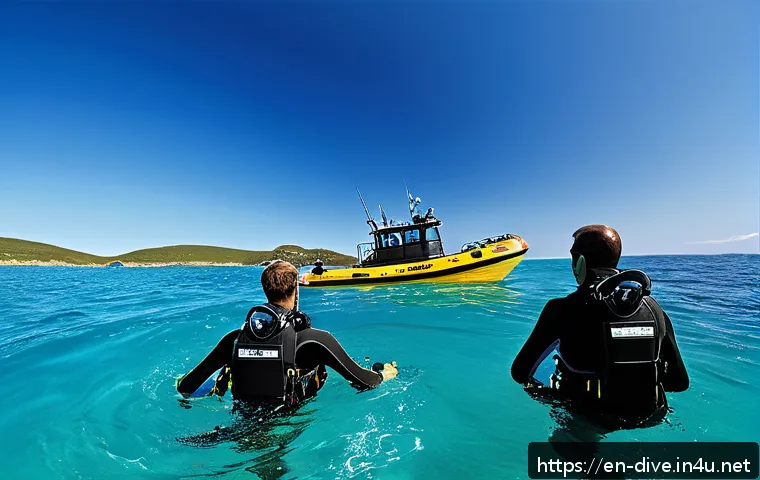
Diving attracts people worldwide, meaning instructors often work with students from various cultural backgrounds. Being sensitive to different communication styles and customs can build rapport and trust.
I once adapted my teaching to accommodate a student’s hesitation to ask questions openly by encouraging private discussions, which greatly improved their confidence.
Active Listening and Feedback
Listening attentively to student concerns and feedback helps identify their challenges and adapt your methods. I make it a habit to ask open-ended questions after each dive session and incorporate suggestions into future lessons, creating a collaborative learning environment that empowers students.
Leveraging Mentorship and Community Engagement
Learning from Seasoned Instructors
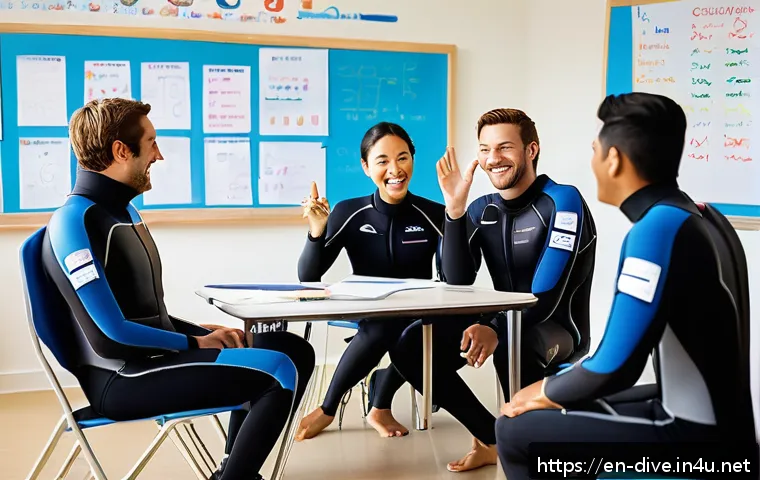
Shadowing experienced instructors and seeking mentorship accelerates skill development. Watching how they handle diverse scenarios and interact with students provides practical insights that textbooks don’t offer.
Early in my career, I benefited immensely from a mentor who shared tips on managing nervous students and optimizing dive plans.
Participating in Dive Clubs and Events
Engaging with local dive communities helps build a network and exposes you to varied diving conditions and teaching techniques. Attending workshops, social dives, or conservation projects enriches your experience and reputation.
I’ve found that these connections often lead to job opportunities and collaborations.
Giving Back Through Volunteer Teaching
Offering free or discounted lessons to underprivileged groups or environmental programs can enhance your teaching skills while contributing to the community.
This hands-on involvement challenges you to adapt quickly and fosters a sense of fulfillment that motivates continuous improvement.
Tracking Progress and Setting Personal Goals
Maintaining a Teaching Journal
Documenting each teaching session, noting what worked and what didn’t, creates a valuable resource for self-reflection. I started journaling after every dive class, which helped me identify patterns, refine my approach, and celebrate milestones.
Setting Measurable Objectives
Clear goals, such as mastering a new certification or improving student pass rates, provide motivation and direction. Regularly reviewing these targets keeps your development on track.
For instance, aiming to reduce student anxiety levels by 20% through enhanced briefing techniques gave me a focused challenge to tackle.
Seeking Constructive Criticism
Inviting feedback from peers, supervisors, and students opens doors to growth. I encourage anonymous surveys and open discussions, which often reveal blind spots and spark ideas for improvement.
| Skill Area | Practical Approach | Personal Benefit |
|---|---|---|
| Student Engagement | Real-time interaction and adapting to learning styles | Improved student confidence and rapport |
| Technology Integration | Using dive computers, VR, and online tools | Enhanced teaching clarity and modern appeal |
| Safety Practice | Repetitive drills and updated protocols | Increased emergency readiness and trust |
| Communication | Clear cues, cultural sensitivity, active listening | Better understanding and student satisfaction |
| Mentorship & Community | Learning from experts, networking, volunteering | Expanded skills and career opportunities |
| Self-Assessment | Journaling, goal-setting, feedback | Continuous personal and professional growth |
Closing Thoughts
Enhancing teaching techniques through real-world experience is invaluable for any instructor. By combining hands-on interaction, technological tools, and continuous self-improvement, you can create a more engaging and effective learning environment. This holistic approach not only benefits your students but also helps you grow professionally and personally.
Helpful Information to Keep in Mind
1. Real-time student engagement allows you to adjust your teaching style based on immediate feedback, improving learning outcomes.
2. Integrating technology like dive computers and VR enriches lessons and appeals to modern learners.
3. Regular practice of safety drills ensures readiness and builds trust between instructor and students.
4. Effective communication, including cultural sensitivity and active listening, fosters better understanding and rapport.
5. Seeking mentorship and participating in community activities broadens your skills and career opportunities.
Key Takeaways
Practical experience combined with ongoing learning is essential for mastering teaching techniques. Emphasize adaptability, safety, and clear communication while leveraging technology and community support. Setting personal goals and reflecting on your progress will keep your skills sharp and your students confident. Ultimately, a well-rounded approach creates a safer, more enjoyable diving experience for everyone involved.
Frequently Asked Questions (FAQ) 📖
Q: uestionsQ1: How can I quickly gain practical experience as a new diving instructor?
A: The fastest way to build real-world experience is by actively participating in as many teaching sessions as possible, even if it means assisting senior instructors at first.
Volunteering for open water courses, specialty dives, and refresher classes exposes you to diverse student needs and scenarios. Personally, shadowing experienced instructors helped me understand how to adapt teaching styles on the fly.
Additionally, investing time in local dive clubs or community events can provide hands-on opportunities that sharpen your skills faster than classroom study alone.
Q: What are the most important skills to focus on for advancing my diving instructor career?
A: Beyond mastering technical diving skills, communication and leadership are key. You need to inspire confidence and trust in your students while managing group dynamics underwater and on land.
I found that developing patience and empathy made a huge difference in student retention and word-of-mouth referrals. Staying updated with the latest safety protocols and dive technology also sets you apart as a knowledgeable professional.
Consistent self-assessment and seeking feedback allow you to refine these skills continuously.
Q: How do new safety protocols and technology impact the way I should teach diving?
A: Modern safety protocols emphasize risk management, emergency preparedness, and environmental awareness more than ever. Incorporating these into your lessons means going beyond basic skills to instill a safety-first mindset.
Technology like dive computers and underwater communication devices can enhance training but require you to be comfortable explaining their functions clearly.
From my experience, blending traditional teaching with tech demonstrations engages students better and builds their confidence in handling gear, which ultimately leads to safer and more enjoyable dives.