Becoming a skilled diving instructor requires more than just passion—it demands the right knowledge and resources to ensure safety and excellence underwater.
Whether you’re just starting out or looking to deepen your expertise, selecting the best instructional books and teaching materials is crucial. The diving industry constantly evolves, with new techniques and safety protocols emerging every year, so staying updated is key.
I’ve personally explored various guides that not only clarify complex concepts but also offer practical insights from seasoned professionals. If you’re aiming to elevate your teaching skills and confidence beneath the waves, choosing the right resources can make all the difference.
Let’s dive into the essential books and materials that can truly transform your diving instruction journey!
Mastering Core Diving Concepts with Essential Texts
Foundational Knowledge Every Instructor Should Own
Diving instruction hinges on a solid grasp of fundamental principles—physics, physiology, and equipment mechanics. Books that break down these topics into digestible segments are invaluable.
For example, diving manuals that explain buoyancy control or decompression theory using straightforward language help instructors not only learn but also teach effectively.
I’ve found that having a reference that blends scientific accuracy with approachable explanations prevents confusion during lessons and boosts student confidence.
The best texts often include diagrams and real-life scenarios, which make abstract ideas tangible. This is crucial when explaining how nitrogen absorption affects dive safety or why proper weighting is vital for neutral buoyancy.
Practical Safety Protocols and Emergency Handling
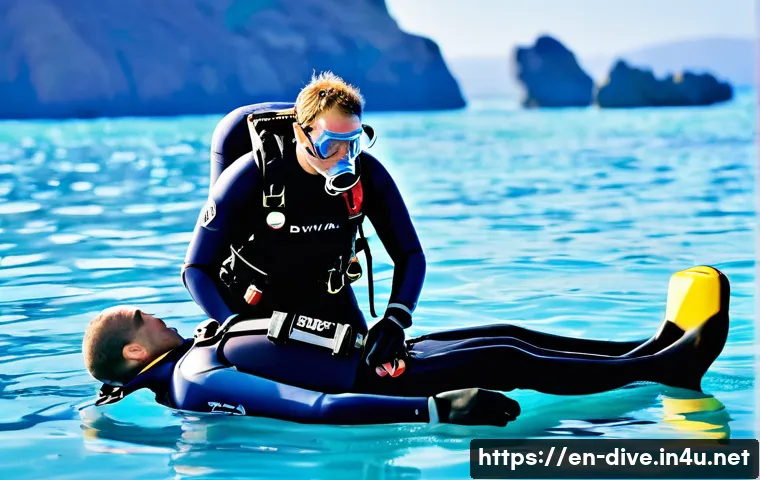
Safety is the backbone of every dive, and instructional materials focused on emergency procedures can make all the difference. Look for guides detailing step-by-step rescue techniques, first aid for diving injuries, and risk assessment strategies.
Personally, I’ve relied on books that go beyond theory, offering drills and checklists that instructors can implement during training sessions. Such resources build muscle memory for emergencies, which is essential when seconds count underwater.
They also often include updates on the latest protocols, which means instructors stay compliant with industry standards and can teach with authority.
Integrating New Technologies and Techniques
The diving world is constantly evolving, with innovations like dive computers, rebreathers, and digital training platforms becoming more mainstream. Instructional resources that cover these advancements provide instructors with a competitive edge.
When I started using materials that included the latest tech insights, my ability to answer student questions and troubleshoot gear issues improved dramatically.
These books often feature comparisons of equipment, user guides, and tips on integrating tech into lesson plans. Staying current with these resources means instructors can tailor their teaching to modern diving practices, enhancing both safety and enjoyment for their students.
Enhancing Teaching Skills through Specialized Educational Resources
Lesson Planning and Student Engagement Techniques
Effective instruction isn’t just about what you know—it’s about how you convey it. Resources focusing on pedagogical methods tailored to diving education can elevate an instructor’s impact.
Materials that provide templates for lesson plans, tips for managing diverse student groups, and strategies for fostering active participation are gold mines.
In my experience, using these resources has helped me create structured yet flexible classes that cater to different learning styles, whether visual, auditory, or kinesthetic.
Engaged students tend to absorb information better and retain skills longer, which directly influences their safety and enjoyment.
Communication Skills and Confidence Building
Teaching underwater demands clear communication and calm confidence, especially when students face challenges. Instructional guides that address verbal and non-verbal communication, plus psychological aspects like anxiety management, are incredibly useful.
I’ve applied techniques from these resources to maintain a reassuring presence, which helps reduce student stress during their first dives or when troubleshooting unexpected issues.
These materials often include role-playing exercises and real-world examples, allowing instructors to practice and refine their delivery before entering the water.
Assessment and Certification Preparation
Preparing students for certification requires an understanding of assessment criteria and standards. Books and materials that break down evaluation processes, common pitfalls, and grading rubrics provide instructors with clarity and confidence.
I’ve found that having access to sample quizzes, practical test checklists, and scenario-based assessments ensures students meet certification requirements without surprises.
This transparency benefits both instructors and students, fostering trust and motivation throughout the course.
Utilizing Visual and Digital Aids for Interactive Learning
Video Tutorials and Demonstrations
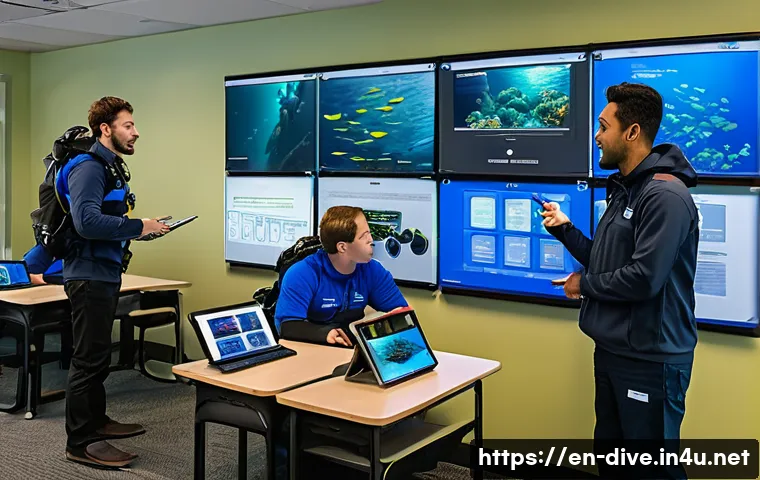
Video content is a game-changer in diving instruction. Watching techniques performed live helps bridge the gap between theory and practice. The best instructional packages now include access to professionally produced video tutorials demonstrating skills like mask clearing, emergency ascents, and equipment assembly.
Personally, integrating these videos into my teaching has resulted in higher student engagement and fewer misunderstandings. Visual aids also allow students to review lessons at their own pace, reinforcing learning beyond the classroom or pool.
Interactive Apps and Dive Simulators
Technology-driven learning tools like dive simulators and mobile apps offer immersive training experiences. These tools can replicate underwater conditions, allowing students to practice decision-making and emergency responses in a safe environment.
I’ve used apps that track dive profiles and simulate decompression stops, which give students real-time feedback and build confidence before actual dives.
Incorporating these resources into a curriculum helps instructors cater to tech-savvy learners and adds variety to traditional teaching methods.
Printable Worksheets and Dive Logs
Traditional yet effective, printable materials remain essential. Worksheets designed for pre-dive briefings, skill checklists, and post-dive reflections help structure lessons and track progress.
Dive logs encourage students to document their experiences and build a personal record of skill development. From my perspective, these tangible tools complement digital resources and provide a well-rounded learning experience.
They also foster accountability and encourage students to take ownership of their training journey.
Choosing Authoritative and Up-to-Date Publications
Recognized Industry Certifications and Their Recommended Materials
Different diving organizations endorse specific textbooks and manuals aligned with their certification standards. For instance, PADI, NAUI, and SSI each have core texts that instructors must be familiar with.
Selecting resources affiliated with these bodies ensures instructors teach consistent content recognized worldwide. I always cross-reference materials with the latest editions to confirm they reflect current best practices.
This adherence to authoritative sources not only boosts credibility but also assures students receive training that meets global safety and quality benchmarks.
Evaluating Author Credentials and Peer Reviews
The expertise behind a book matters immensely. Books authored by experienced diving professionals, medical experts, or veteran instructors tend to provide richer insights and practical wisdom.
Checking author backgrounds and reading peer reviews or community feedback helps avoid outdated or superficial content. I’ve learned to prioritize books that include case studies, personal anecdotes, and references to scientific research, which add layers of trustworthiness and depth.
A well-credentialed author often translates into more reliable and actionable guidance.
Keeping Pace with Industry Updates and New Editions
The diving industry’s rapid evolution demands instructors stay current. Many instructional books release new editions incorporating updated safety protocols, technology, and teaching strategies.
Subscribing to newsletters from major diving organizations or participating in instructor forums can alert you to these updates. I make it a habit to replace or supplement my library with the latest versions, ensuring my teaching reflects the newest standards.
This proactive approach enhances student safety and instructor confidence, making it an investment well worth the effort.
Comparing Popular Diving Instructional Books
| Book Title | Focus Area | Strengths | Ideal For |
|---|---|---|---|
| “The Diving Manual” by Jack Jackson | Comprehensive diving theory and practical skills | Clear explanations, detailed illustrations, beginner-friendly | New instructors and those refreshing foundational knowledge |
| “Emergency Care for Divers” by Laura Smith | Safety protocols and emergency response | Step-by-step rescue techniques, updated first aid info | Instructors emphasizing safety and rescue training |
| “Modern Dive Equipment Guide” by Tom Reynolds | Latest gear technology and maintenance | In-depth gear reviews, troubleshooting tips, tech integration | Instructors working with advanced equipment or tech-focused students |
| “Teaching Diving Effectively” by Sarah Bennett | Instructional techniques and student management | Lesson planning, communication skills, engagement strategies | Experienced instructors looking to improve teaching methods |
Incorporating Real-World Experience into Teaching Resources
Case Studies and Incident Analyses
Books that include detailed case studies from actual diving incidents provide invaluable lessons. These narratives help instructors understand what went wrong, how it was resolved, and what preventive measures can be taught.
I’ve found that sharing such stories with students reinforces the seriousness of safety protocols and makes the learning experience more relatable. They also foster critical thinking by encouraging students to analyze scenarios and suggest solutions.
Personal Anecdotes from Veteran Instructors
Learning from the experiences of seasoned instructors adds a human touch to training materials. Anecdotes about challenges faced, memorable dives, and tips for managing difficult students enrich the content beyond textbook knowledge.
I often find myself returning to these stories for motivation and practical advice. They remind instructors that mistakes are part of growth and that perseverance and adaptability are key qualities in successful teaching.
Hands-On Workshops and Supplemental Materials
Many instructional books are accompanied by or recommend hands-on workshops, online modules, or supplemental practice guides. These enhance comprehension by turning theory into action.
I’ve personally attended workshops linked to certain texts, which solidified my understanding and gave me confidence in applying new skills. When selecting books, I look for those offering or pointing to experiential learning opportunities, as these are crucial for mastering diving instruction in a safe and effective manner.
Building a Sustainable and Profitable Diving Instruction Career
Monetizing Knowledge Through Diverse Teaching Materials
Diversifying instructional materials, such as creating custom handouts, video content, or eBooks based on your expertise, can open additional revenue streams.
I’ve experimented with producing my own guides tailored to local diving conditions, which attracted more students and even online sales. Having a unique teaching portfolio differentiates you in a competitive market and enhances your professional brand.
Leveraging Online Platforms and Digital Resources
Utilizing digital platforms to distribute instructional content or conduct remote theory sessions expands your reach beyond physical classrooms. Platforms like Udemy or Teachable allow instructors to package their knowledge into courses accessible worldwide.
From experience, this approach not only supplements income but also builds a global reputation. It’s a smart move to blend traditional teaching with digital offerings to maximize impact and profitability.
Networking and Continuous Learning for Long-Term Success
Sustaining a thriving career as a diving instructor depends on ongoing education and connections. Engaging with professional organizations, attending conferences, and participating in instructor forums provide fresh insights and opportunities.
I’ve found that networking leads to collaborations, referrals, and access to exclusive materials that keep my teaching dynamic. Investing time in these activities ensures you remain at the forefront of the industry and continuously improve your craft.
In Conclusion
Mastering diving instruction requires a balance of solid knowledge, practical skills, and effective teaching methods. By utilizing authoritative resources and integrating real-world experience, instructors can enhance their confidence and student outcomes. Staying updated with industry advancements ensures safety and relevance in teaching. Ultimately, a passion for continuous learning and sharing expertise builds a rewarding career in diving education.
Useful Information to Keep in Mind
1. Consistently update your instructional materials to reflect the latest safety protocols and technological innovations in diving.
2. Incorporate a variety of teaching aids, including videos, apps, and printable tools, to engage different learning styles effectively.
3. Use real-life case studies and personal anecdotes to make lessons relatable and deepen student understanding.
4. Focus on building strong communication skills and confidence to manage student anxiety and foster a positive learning environment.
5. Leverage online platforms to expand your reach and diversify income through digital courses and resources.
Key Takeaways for Diving Instructors
Successful diving instruction depends on a comprehensive grasp of core concepts combined with practical safety training. Choosing well-vetted, up-to-date publications authored by experts enhances teaching credibility and effectiveness. Engaging students with interactive and varied educational tools improves retention and skill mastery. Continuous professional development and networking are essential to maintain industry relevance and career growth. Prioritizing these elements ensures instructors provide safe, enjoyable, and impactful diving experiences for their students.
Frequently Asked Questions (FAQ) 📖
Q: What are the most important qualities to look for in diving instructor books?
A: When choosing diving instructor books, prioritize those that offer clear explanations of safety protocols, up-to-date training techniques, and real-world teaching scenarios.
Books that blend theory with practical advice from experienced instructors tend to be the most valuable. Personally, I found that resources emphasizing emergency response and student engagement strategies helped me feel more confident during actual lessons.
Q: How can I ensure the materials I use stay relevant with the latest diving industry standards?
A: The diving industry evolves rapidly, so it’s essential to select books and materials from reputable organizations that update their content regularly.
Look for editions published within the last couple of years and consider supplementing your reading with online resources, webinars, or workshops from recognized certifying agencies.
From my experience, staying connected with professional diving communities also helps keep you informed about any changes or new best practices.
Q: Are there any recommended supplementary teaching tools to enhance diving instruction besides books?
A: Absolutely! While books provide a strong foundation, incorporating multimedia tools such as instructional videos, interactive simulations, and dive planning software can greatly enhance learning.
I’ve found that using underwater video footage to demonstrate techniques or common mistakes makes lessons more engaging and easier for students to grasp.
Additionally, practical workshops and hands-on training remain irreplaceable for building confidence and skills.