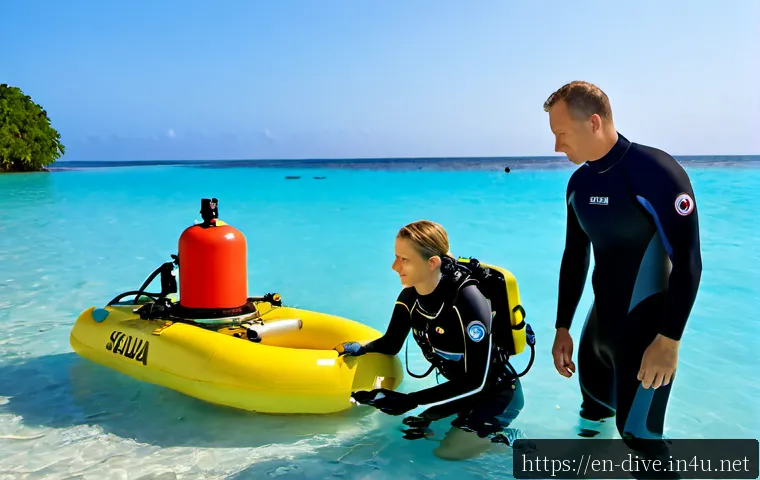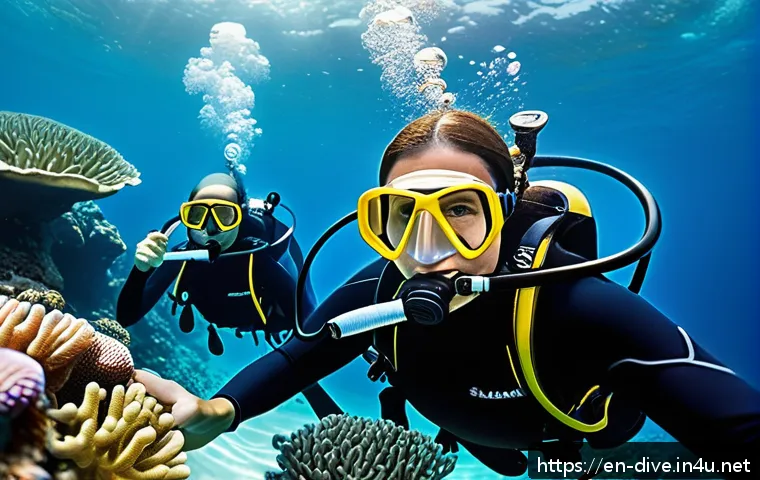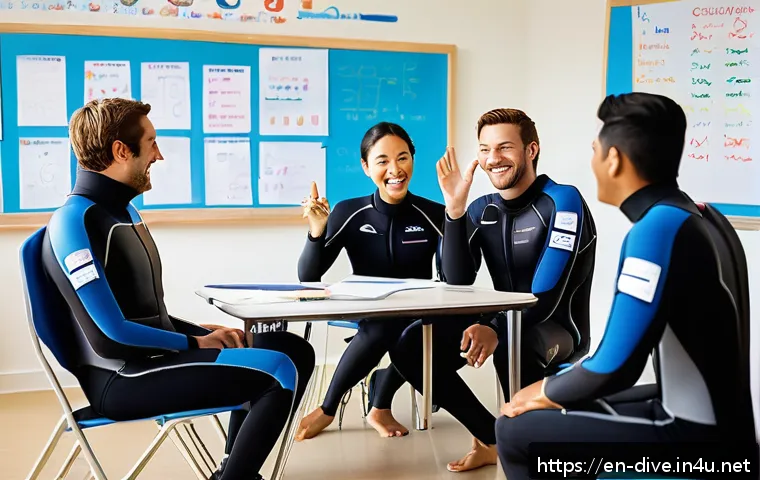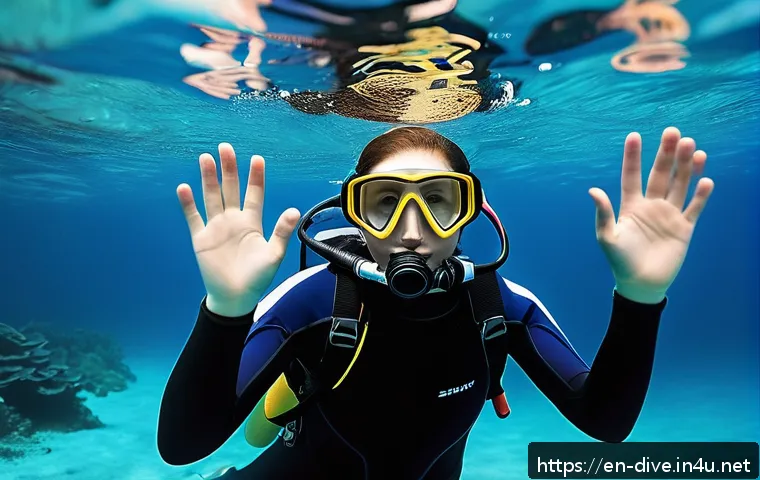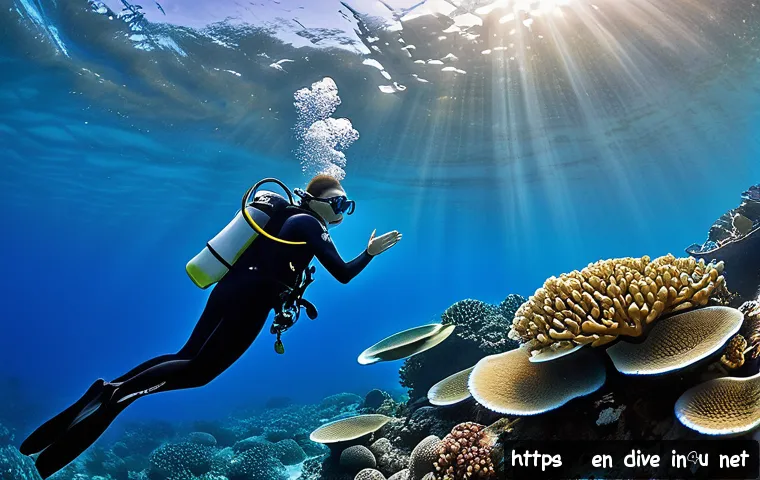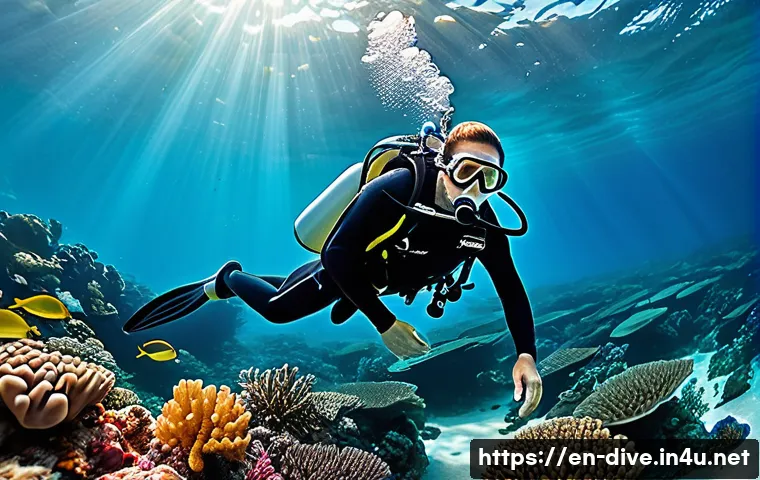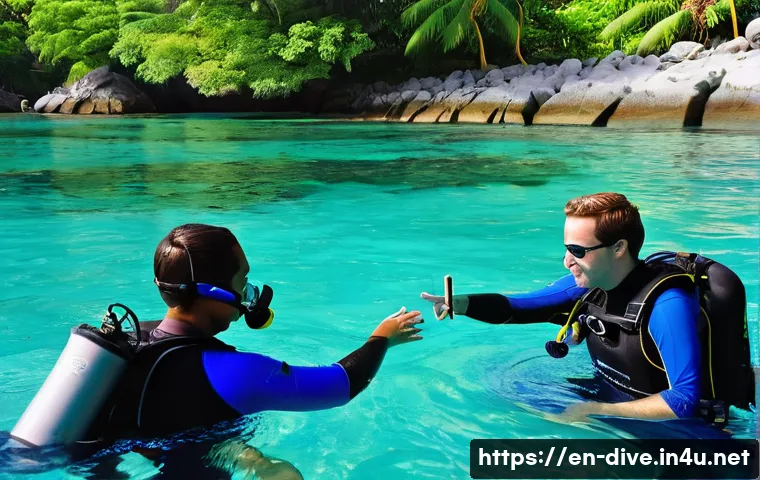
Becoming a successful diving instructor takes more than just mastering underwater skills. It requires strong communication, patience, and the ability to inspire confidence in your students.
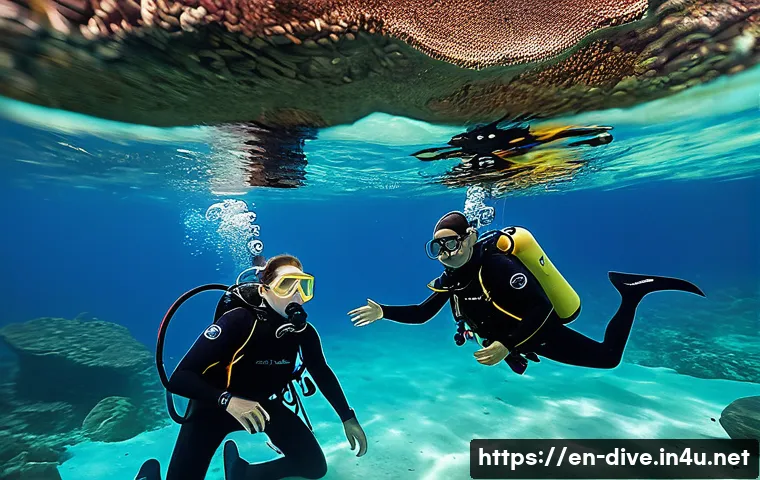
From safety protocols to environmental awareness, every aspect plays a crucial role in building trust and expertise. Having hands-on experience and staying updated with the latest diving techniques can set you apart in this competitive field.
Let’s dive deeper into the essential skills that will help you thrive as a diving instructor. Get ready to uncover the key to success!
Mastering the Art of Clear and Engaging Communication
Understanding Your Students’ Perspectives
Connecting with students starts by truly putting yourself in their shoes. Everyone approaches diving with different fears, experiences, and learning styles.
When I first began teaching, I quickly realized that some students may feel anxious about breathing underwater, while others struggle with equipment handling.
Taking the time to ask questions and observe reactions helps tailor explanations that resonate personally. This isn’t just about repeating facts; it’s about reading body language and adapting your tone to create a safe, encouraging atmosphere.
When students feel understood, they open up, making the learning process smoother and far more enjoyable.
Breaking Down Complex Skills Into Simple Steps
One of the toughest challenges is explaining technical diving skills without overwhelming students. I’ve found that chunking information into bite-sized pieces works wonders.
Instead of dumping a flood of instructions at once, I introduce one concept at a time, then let students practice it until comfortable. For example, teaching buoyancy control is easier when starting with basic breath control before moving on to finning techniques.
Using vivid analogies and real-life comparisons also helps make abstract ideas tangible. This gradual approach builds confidence and reduces frustration, which keeps students engaged longer.
Using Visual and Hands-On Techniques Effectively
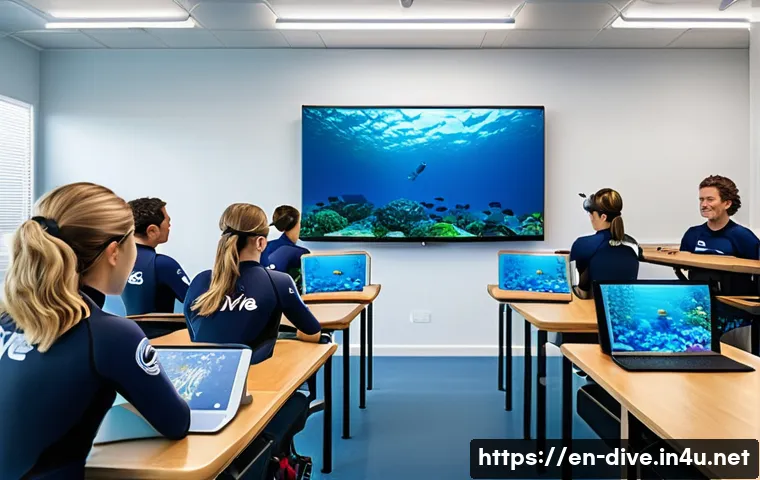
Diving is inherently a practical sport, so incorporating visual aids and hands-on practice is crucial. In my classes, I rely heavily on demonstration dives, underwater hand signals, and even video playback to reinforce lessons.
Watching a technique performed live or on screen often clicks faster than verbal explanations alone. Plus, letting students physically handle gear during lessons cements their understanding of how everything works.
These multisensory methods cater to different learning preferences and make your instruction memorable. From personal experience, those who see and do tend to retain skills far better than those who just listen.
Building Patience and Emotional Resilience Underwater
Embracing the Learning Curve with Empathy
Patience is probably the single most valuable trait for a diving instructor. Every student progresses at their own pace, and some may require multiple attempts to grasp even basic skills.
Early in my teaching journey, I learned not to rush or show frustration when things didn’t go smoothly. Instead, I took deep breaths and reminded myself that diving can be intimidating initially.
Sharing personal stories about my own struggles helped normalize their experiences and eased tension. This kind of empathy transforms the instructor-student dynamic into a supportive partnership rather than a rigid lesson.
Managing Stress and Unexpected Situations Calmly
Underwater environments can be unpredictable, and students often look to their instructor for reassurance during unexpected events. Remaining calm under pressure is essential not only for safety but also to instill confidence.
I remember a time when a student’s regulator malfunctioned mid-dive; my steady demeanor and clear instructions helped avoid panic and smoothly resolve the issue.
Practicing emergency drills regularly and mentally preparing for various scenarios keeps you composed. Your calmness becomes contagious, reassuring students that they are in safe hands even if things go sideways.
Encouraging Growth Through Positive Reinforcement
Celebrating small victories is a powerful motivator. I make it a point to acknowledge each student’s progress, no matter how minor it seems. Praising improvements in skills like mask clearing or equalizing boosts morale and encourages continued effort.
Constructive feedback should always be balanced with genuine compliments to prevent discouragement. Over time, this approach builds a positive learning environment where students feel valued and inspired to push their limits.
From personal experience, those smiles and words of encouragement often make all the difference between giving up and persisting.
Ensuring Safety Through Rigorous Protocols and Awareness
Instilling a Safety-First Mindset
Safety isn’t just a checklist; it’s a mindset that needs to be embedded in every lesson. From day one, I emphasize the importance of pre-dive checks, buddy systems, and constant communication underwater.
Demonstrating thorough equipment inspection routines shows students how critical details can prevent accidents. I also stress that no dive is worth risking health or life—if something feels off, it’s always okay to abort or seek help.
Reinforcing these principles repeatedly helps students internalize safety as a non-negotiable priority.
Staying Current With Industry Standards and Training
The diving world evolves with new gear, techniques, and safety guidelines. I make it a point to attend refresher courses and workshops regularly to stay informed.
This ongoing education not only sharpens my skills but also signals to students that I’m committed to their well-being. Being able to confidently explain the latest protocols or innovations builds trust and credibility.
In fact, many students appreciate knowing their instructor is plugged into the diving community and continuously upgrading their expertise.
Environmental Responsibility and Conservation Awareness
Teaching about underwater ecosystems and conservation is just as important as technical skills. I encourage students to respect marine life, avoid touching coral, and minimize disturbance.
Sharing stories about how divers can protect fragile habitats often inspires a deeper connection with the ocean. Promoting eco-friendly diving practices is a vital part of responsible instruction and helps cultivate stewardship.
Personally, seeing students develop a passion for ocean preservation is one of the most rewarding aspects of teaching.
Enhancing Expertise Through Continuous Hands-On Experience
Learning by Doing: The Core of Skill Development
No amount of theory can replace time spent underwater practicing. I make sure to log countless dives in varied conditions to broaden my experience. Each dive teaches something new—whether it’s adapting to currents, managing equipment quirks, or reading underwater cues.
This hands-on exposure is what truly builds confidence and competence. When I share real dive stories or lessons learned, students appreciate that my advice comes from genuine experience rather than just textbooks.
Seeking Mentorship and Peer Feedback
Engaging with more seasoned instructors and peers provides invaluable insights. Early on, I shadowed veteran instructors to observe their teaching styles and handling of challenges.
Later, I actively sought feedback on my own methods to identify areas for improvement. This openness to critique and learning fosters professional growth and keeps complacency at bay.
It also expands your network, opening doors to new opportunities and collaborations within the diving community.
Adapting to Different Learning Environments and Student Needs
Diving instruction doesn’t happen in a vacuum—conditions and student backgrounds vary widely. I’ve taught beginners in calm tropical waters and more advanced divers in colder, challenging environments.
Each setting demands flexibility in approach and equipment. Adjusting lessons to accommodate age, physical ability, and experience level is crucial. This adaptability not only enhances student success but also sharpens your problem-solving skills as an instructor.
Leveraging Technology and Modern Tools for Teaching
Incorporating Digital Resources for Better Learning
Technology has transformed how we teach and learn diving. I use apps for dive planning, underwater communication devices, and video analysis to enhance my instruction.
For instance, recording dives and reviewing footage with students helps identify areas needing improvement more clearly than verbal feedback alone. Online platforms also allow me to share pre-dive briefings or theory lessons, freeing up in-water time for practice.
These tools increase efficiency and engagement, making lessons more interactive and personalized.
Utilizing Virtual Reality and Simulators
Virtual reality and dive simulators are emerging as exciting training aids. While they can’t replace real dives, they offer a safe environment to practice emergency procedures or gear handling.
I’ve experimented with VR sessions to help nervous students acclimate to underwater sensations before hitting the water. This tech acts as a confidence booster and reduces anxiety, especially for first-timers.
Keeping an eye on evolving educational tech ensures you remain at the cutting edge of effective teaching.
Maintaining an Organized Digital Logbook
Tracking student progress and dive history digitally helps streamline lesson planning and certification processes. I maintain detailed records of each student’s skills mastered, challenges faced, and dive conditions experienced.
This organized approach allows me to customize future lessons precisely and provide accurate reports for certification agencies. It also demonstrates professionalism and care, which students and employers alike appreciate.
Building a Reputation That Attracts and Retains Students
Delivering Consistent Quality and Reliability
Word of mouth is a powerful marketing tool in the diving world. I’ve noticed that students return and recommend my classes when they know I consistently deliver thorough, patient instruction with a genuine passion for diving.
Showing up on time, being prepared, and following through on promises builds trust. Reliability and professionalism become your best advertisement, especially in tight-knit diving communities.
Creating a Welcoming and Inclusive Learning Environment
Diving should be accessible and enjoyable for everyone, regardless of background or skill level. I strive to foster inclusivity by respecting diverse cultures, ages, and abilities.
Encouraging questions and valuing each student’s input makes the learning space feel safe and supportive. This openness not only enriches the experience but also broadens your potential client base.
Many students seek instructors who make them feel seen and heard.
Utilizing Social Media and Online Presence Effectively
In today’s digital age, building an online presence can significantly boost your visibility. I share dive tips, success stories, and stunning underwater photos on social platforms to engage with current and prospective students.
This creates a sense of community and showcases my expertise beyond in-person sessions. Consistent, authentic content attracts followers who may convert into clients.
Plus, responding to comments and messages promptly enhances your reputation as approachable and dedicated.
| Skill Area | Key Actions | Benefits |
|---|---|---|
| Communication | Personalize teaching, simplify concepts, use demos and videos | Better student understanding, increased engagement, stronger rapport |
| Patience | Empathize, stay calm during issues, reinforce positive progress | Reduced student anxiety, safer dives, higher retention rates |
| Safety | Emphasize checks, update knowledge, promote conservation | Minimized accidents, trustworthiness, responsible diving culture |
| Experience | Log dives, seek mentorship, adapt to conditions | Enhanced skills, professional growth, flexible instruction |
| Technology | Use apps, VR, digital logs | Interactive lessons, anxiety reduction, organized tracking |
| Reputation | Be reliable, inclusive, active online | Repeat clients, wider reach, strong community presence |
In Conclusion
Mastering clear and engaging communication is essential for effective diving instruction. By understanding students’ perspectives, breaking down complex skills, and fostering a supportive environment, instructors can enhance learning experiences. Combining patience, safety awareness, and continuous hands-on practice builds trust and confidence. Leveraging modern technology and maintaining a strong reputation further elevate teaching success.
Useful Information to Keep in Mind
1. Tailor your teaching style by actively listening and observing your students’ needs to create a personalized learning journey.
2. Break complex diving skills into manageable steps, allowing students to build confidence gradually without feeling overwhelmed.
3. Incorporate visual aids, hands-on practice, and technology like video playback or VR to cater to different learning preferences.
4. Prioritize safety by enforcing rigorous checks, staying updated on industry standards, and promoting environmental responsibility.
5. Build your professional reputation through consistency, inclusivity, and a strong online presence to attract and retain students.
Key Takeaways
Effective diving instruction hinges on clear communication, empathy, and adaptability. Patience and calmness during challenges help create a safe learning space, while continuous practice and mentorship deepen expertise. Embracing technology enhances engagement and organization. Lastly, maintaining professionalism and inclusivity fosters trust and long-term student relationships, ensuring both safety and success beneath the waves.
Frequently Asked Questions (FAQ) 📖
Q: What are the most important communication skills a diving instructor should have?
A: Effective communication is absolutely crucial for a diving instructor. You need to be clear and concise when explaining complex underwater techniques or safety procedures, often to students who might be nervous or new to diving.
I’ve found that using simple language, visual aids, and checking for understanding by asking questions really helps. Beyond verbal communication, being an active listener and showing empathy builds trust and makes students feel comfortable asking questions or expressing concerns.
This kind of open dialogue not only improves learning but also enhances safety underwater.
Q: How can patience impact a diving instructor’s success?
A: Patience is one of those underrated qualities that can make or break your career as a diving instructor. Everyone learns at their own pace, and diving can be intimidating, especially for beginners.
I’ve worked with students who needed extra time to master buoyancy or to overcome anxiety about underwater breathing. Staying patient allowed me to provide encouragement and tailored guidance without rushing them, which boosted their confidence and ultimately their skills.
Rushing through lessons or showing frustration can easily discourage students, so patience directly contributes to better outcomes and more positive reviews.
Q: Why is staying updated with the latest diving techniques and safety protocols important?
A: The diving industry evolves with new technology, gear, and safety standards regularly emerging. By keeping yourself informed through continuous education and training, you ensure that your teaching reflects the best and safest practices available.
From my experience, students appreciate an instructor who is knowledgeable about the newest equipment or advanced rescue techniques because it builds their confidence in your expertise.
Plus, staying current helps you stand out in a competitive market and can open doors to specialized teaching opportunities or higher-level certifications.
It’s not just about safety—it’s about being the best mentor you can be.