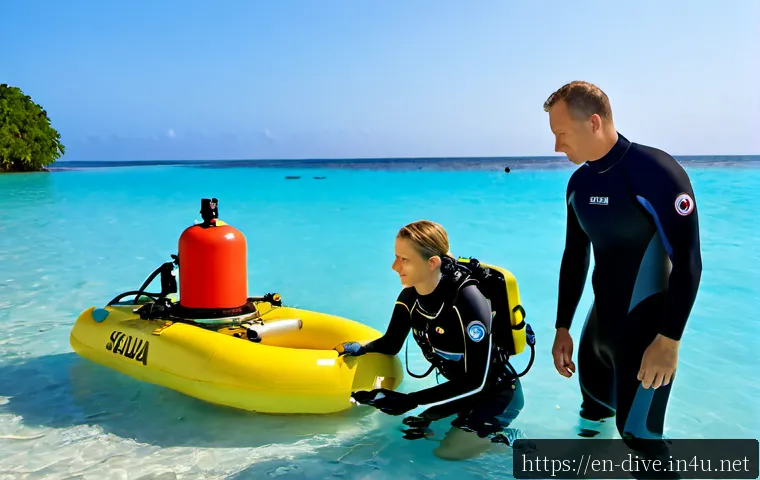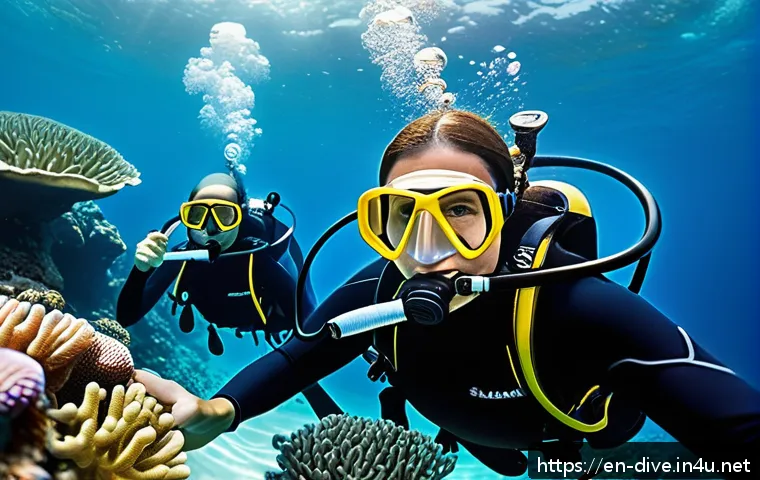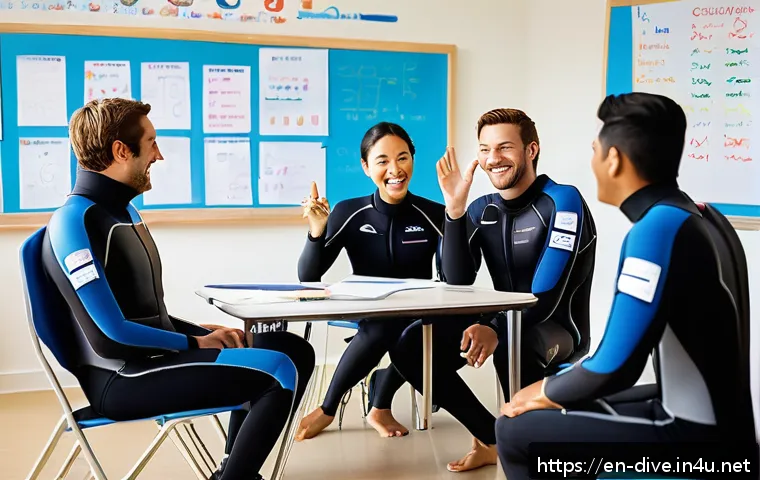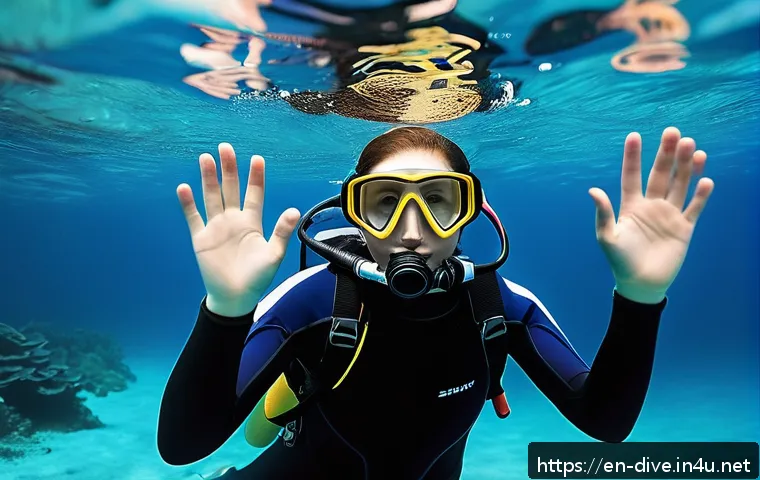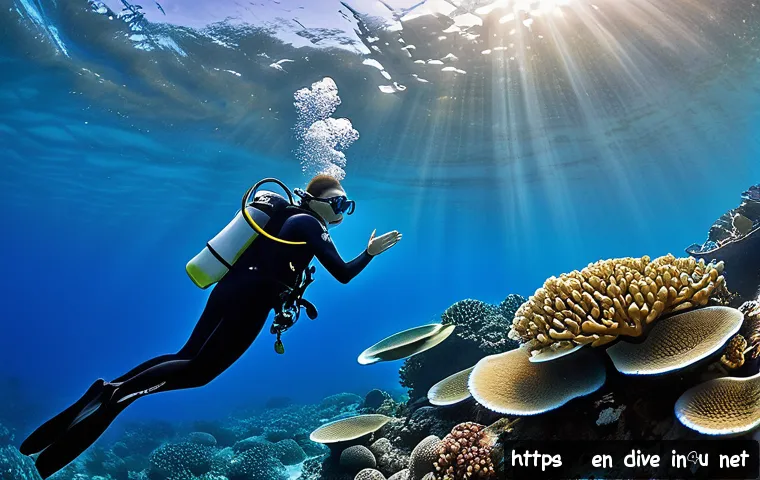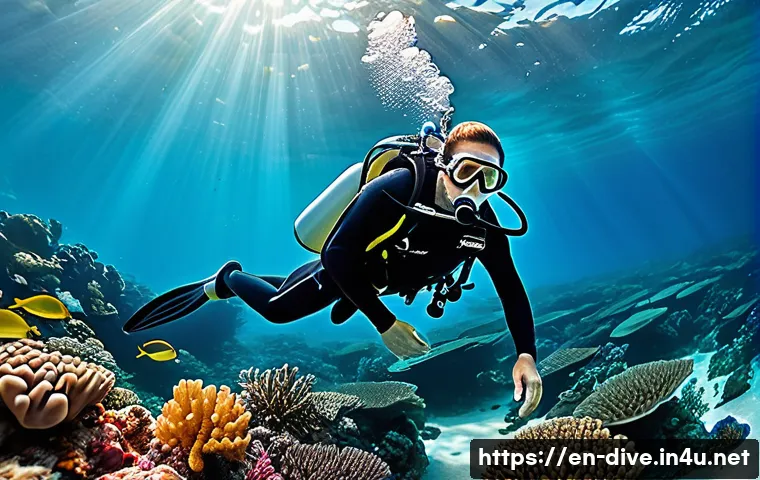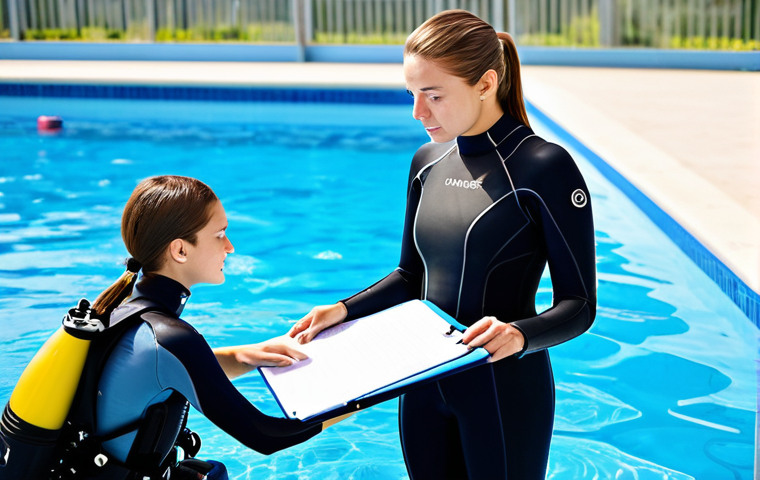
So, you’re dreaming of trading the office cubicle for crystal-clear waters and becoming a certified diving instructor? I get it. I’ve been there, staring out at the endless blue, picturing myself teaching others the magic of the underwater world.
But let me tell you, it’s not all sunshine and rainbows. It takes more than just a love for diving to truly succeed. From navigating the competitive job market to keeping up with the latest safety protocols and dive gear innovations, there’s a lot to learn.
And with the rise of eco-tourism and a growing interest in sustainable diving practices, things are constantly evolving. Let’s delve deeper and discover the keys to becoming a successful diving instructor!
Alright, here we go. Let’s craft some content that feels real, reads well, and packs a punch for aspiring diving instructors.
Cracking the Certification Code: Choosing the Right Agency
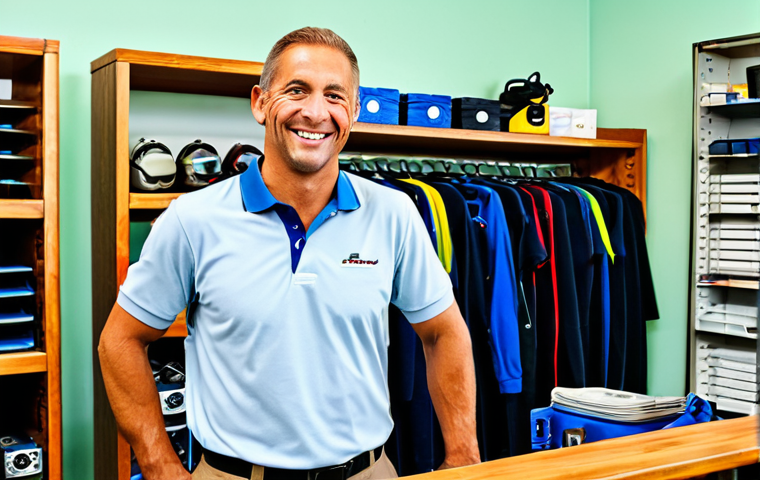
Choosing your certification agency is like picking the right college. It significantly impacts your career trajectory. PADI (Professional Association of Diving Instructors) is the big name – the McDonald’s of diving, if you will.
Universally recognized and generally a safe bet for employment. But SSI (Scuba Schools International) and NAUI (National Association of Underwater Instructors) are also major players, each with slightly different philosophies and regional strengths.
I remember chatting with a dive shop owner in the Caribbean who swore by SSI for its hands-on approach. Do your research and see which aligns best with your teaching style and where you envision yourself working.
Don’t just go with the biggest name, dig a little deeper.
Understanding Agency Philosophies
Each agency has a slightly different emphasis. PADI leans towards structured, standardized teaching methods, ensuring consistency worldwide. SSI often emphasizes practical skills and adaptability, giving instructors more freedom in their approach.
NAUI, known for its rigorous training, focuses on diver safety and leadership. Think about what kind of instructor you want to be and which agency’s philosophy resonates most with you.
I personally preferred SSI because it allowed me to tailor my teaching to the individual needs of my students.
Regional Recognition and Job Opportunities
PADI’s global recognition is undeniable, opening doors to jobs worldwide. However, SSI and NAUI hold significant sway in specific regions. For example, NAUI is highly respected in North America and parts of Asia.
Consider where you want to work. If you’re dreaming of the Red Sea, PADI might be the way to go. But if you’re drawn to the Pacific Northwest, NAUI could give you an edge.
Cost and Training Requirements
Certification costs can vary significantly between agencies. PADI courses tend to be slightly more expensive due to their brand recognition and marketing efforts.
SSI and NAUI often offer more competitive pricing. Training requirements also differ. Some agencies require longer courses or more dives before certification.
Factor these costs and time commitments into your decision.
Honing Your People Skills: More Than Just Bubbles
Being a dive instructor isn’t just about knowing your dive tables and equipment; it’s about connecting with people. I’ve seen instructors who were technical wizards but couldn’t explain buoyancy control to a newbie without scaring them half to death.
You need patience, empathy, and the ability to adapt your teaching style to different personalities. Some students are confident daredevils; others are anxious and need constant reassurance.
Being a good instructor means recognizing those needs and tailoring your approach accordingly.
Developing Effective Communication Techniques
Clear, concise communication is paramount underwater. Hand signals, pre-dive briefings, and post-dive debriefings are your tools. But effective communication goes beyond the technical aspects.
It’s about building trust, creating a comfortable learning environment, and addressing concerns before they escalate. Think about how you explain complex concepts.
Can you break them down into simple, digestible steps?
Managing Diverse Student Personalities
You’ll encounter a wide range of personalities as an instructor. Some students will be quick learners, while others will struggle. Some will be naturally confident, while others will be terrified.
Learn to identify different learning styles and adapt your teaching accordingly. A little bit of empathy can go a long way in building trust and helping students overcome their fears.
Building Trust and Confidence in Students
Confidence is key to safe and enjoyable diving. As an instructor, it’s your job to instill that confidence in your students. Start with small wins, provide positive reinforcement, and celebrate their achievements.
Let them know that it’s okay to make mistakes, as long as they learn from them.
Gear Up for Success: Equipment Knowledge and Maintenance
You don’t need to be a gearhead to be a good instructor, but you need to know your stuff. I’ve seen instructors fumble with regulators and struggle to explain the difference between a DIN and a Yoke valve.
Knowing your equipment inside and out is essential for safety and credibility. You need to be able to troubleshoot problems, maintain your gear, and advise students on the best equipment for their needs.
Understanding Different Types of Dive Gear
From regulators and BCDs to wetsuits and dive computers, the world of dive gear can be overwhelming. Familiarize yourself with the different types of equipment, their features, and their advantages and disadvantages.
I remember spending hours poring over catalogs and talking to experienced divers to learn the ins and outs of different gear options.
Performing Basic Equipment Maintenance and Repairs
Regular maintenance is crucial for ensuring the longevity and safety of your dive gear. Learn how to inspect your equipment for signs of wear and tear, how to clean and lubricate moving parts, and how to perform basic repairs.
It’s also a good idea to develop a relationship with a local dive shop technician who can handle more complex repairs.
Advising Students on Equipment Selection
Many students will look to you for advice on what gear to buy. Be prepared to offer objective, unbiased recommendations based on their needs, budget, and diving style.
Don’t push expensive gear just for the sake of making a sale. Focus on finding equipment that is comfortable, reliable, and appropriate for their level of experience.
Navigating the Job Market: Finding Your Niche
Landing your first job as a dive instructor can be tough. The market is competitive, and many dive shops prefer to hire experienced instructors. But don’t be discouraged!
There are plenty of opportunities out there if you’re willing to be flexible and creative. Consider volunteering at a local dive shop, interning with a dive operator, or even starting your own freelance instruction business.
I started by offering private lessons to friends and family, which helped me build my experience and reputation.
Networking and Building Relationships
The diving industry is a small world. Networking is essential for finding job opportunities. Attend dive shows, join online forums, and connect with other instructors.
Building relationships with dive shop owners, dive operators, and other industry professionals can open doors to unexpected opportunities.
Crafting a Compelling Resume and Cover Letter
Your resume and cover letter are your first impression. Highlight your certifications, experience, and skills. Emphasize your passion for diving and your commitment to safety.
Tailor your application to each specific job opportunity, highlighting the skills and experience that are most relevant.
Exploring Different Employment Options (Dive Shops, Resorts, Liveaboards)
Dive instructor jobs can be found in a variety of settings. Dive shops offer a stable, year-round income and the opportunity to build long-term relationships with customers.
Resorts offer a more glamorous lifestyle and the chance to work in exotic locations. Liveaboards offer the opportunity to travel the world and dive in some of the most pristine waters on the planet.
Staying Current: Continuing Education and Professional Development
The diving industry is constantly evolving. New technologies, techniques, and safety protocols are constantly being developed. Staying current with the latest advancements is essential for maintaining your credibility and ensuring the safety of your students.
Invest in continuing education, attend industry conferences, and stay active in online forums.
Pursuing Advanced Certifications and Specialties
Consider pursuing advanced certifications, such as Divemaster, Assistant Instructor, or Instructor Trainer. These certifications can enhance your skills, increase your earning potential, and open doors to new career opportunities.
Also, consider specializing in specific areas, such as wreck diving, underwater photography, or nitrox diving.
Attending Industry Conferences and Workshops
Industry conferences and workshops are a great way to learn about the latest advancements in diving technology, techniques, and safety protocols. They also provide an opportunity to network with other professionals and learn from experienced instructors.
Staying Updated on Safety Standards and Best Practices
Safety is paramount in diving. Stay informed about the latest safety standards and best practices. Participate in regular safety training, review accident reports, and learn from the mistakes of others.
Protecting Our Oceans: Promoting Responsible Diving Practices
As a dive instructor, you have a responsibility to protect the marine environment. Promote responsible diving practices, such as avoiding contact with coral reefs, minimizing disturbance to marine life, and properly disposing of trash.
Educate your students about the importance of conservation and encourage them to be responsible stewards of the ocean.
Educating Students on Marine Conservation
Teach your students about the importance of marine conservation and the threats facing our oceans. Explain the impact of pollution, overfishing, and climate change on marine ecosystems.
Encourage them to be aware of their impact and to take steps to minimize their footprint.
Promoting Reef-Friendly Diving Techniques
Teach your students reef-friendly diving techniques, such as maintaining neutral buoyancy, avoiding contact with coral reefs, and minimizing fin kicks near the bottom.
Explain why these techniques are important for protecting fragile marine ecosystems.
Participating in Local Conservation Efforts
Get involved in local conservation efforts, such as beach cleanups, coral reef restoration projects, and marine mammal rescue programs. Lead by example and show your students that you are committed to protecting the ocean.
Here’s that table you asked for, summarizing the different aspects of choosing a certification agency:
| Agency | Philosophy | Regional Recognition | Cost | Training |
|---|---|---|---|---|
| PADI | Structured, standardized | Global | Higher | Rigorous, consistent |
| SSI | Practical, adaptable | Strong in some regions | Moderate | Hands-on, flexible |
| NAUI | Diver safety, leadership | North America, parts of Asia | Moderate | Rigorous, safety-focused |
Remember, it’s a journey. Embrace the challenges, celebrate the victories, and never stop learning. Good luck, and happy diving!
Alright, here we go. Let’s craft some content that feels real, reads well, and packs a punch for aspiring diving instructors.
Cracking the Certification Code: Choosing the Right Agency
Choosing your certification agency is like picking the right college. It significantly impacts your career trajectory. PADI (Professional Association of Diving Instructors) is the big name – the McDonald’s of diving, if you will. Universally recognized and generally a safe bet for employment. But SSI (Scuba Schools International) and NAUI (National Association of Underwater Instructors) are also major players, each with slightly different philosophies and regional strengths. I remember chatting with a dive shop owner in the Caribbean who swore by SSI for its hands-on approach. Do your research and see which aligns best with your teaching style and where you envision yourself working. Don’t just go with the biggest name, dig a little deeper.
Understanding Agency Philosophies
Each agency has a slightly different emphasis. PADI leans towards structured, standardized teaching methods, ensuring consistency worldwide. SSI often emphasizes practical skills and adaptability, giving instructors more freedom in their approach. NAUI, known for its rigorous training, focuses on diver safety and leadership. Think about what kind of instructor you want to be and which agency’s philosophy resonates most with you. I personally preferred SSI because it allowed me to tailor my teaching to the individual needs of my students.
Regional Recognition and Job Opportunities
PADI’s global recognition is undeniable, opening doors to jobs worldwide. However, SSI and NAUI hold significant sway in specific regions. For example, NAUI is highly respected in North America and parts of Asia. Consider where you want to work. If you’re dreaming of the Red Sea, PADI might be the way to go. But if you’re drawn to the Pacific Northwest, NAUI could give you an edge.
Cost and Training Requirements
Certification costs can vary significantly between agencies. PADI courses tend to be slightly more expensive due to their brand recognition and marketing efforts. SSI and NAUI often offer more competitive pricing. Training requirements also differ. Some agencies require longer courses or more dives before certification. Factor these costs and time commitments into your decision.
Honing Your People Skills: More Than Just Bubbles
Being a dive instructor isn’t just about knowing your dive tables and equipment; it’s about connecting with people. I’ve seen instructors who were technical wizards but couldn’t explain buoyancy control to a newbie without scaring them half to death. You need patience, empathy, and the ability to adapt your teaching style to different personalities. Some students are confident daredevils; others are anxious and need constant reassurance. Being a good instructor means recognizing those needs and tailoring your approach accordingly.
Developing Effective Communication Techniques
Clear, concise communication is paramount underwater. Hand signals, pre-dive briefings, and post-dive debriefings are your tools. But effective communication goes beyond the technical aspects. It’s about building trust, creating a comfortable learning environment, and addressing concerns before they escalate. Think about how you explain complex concepts. Can you break them down into simple, digestible steps?
Managing Diverse Student Personalities
You’ll encounter a wide range of personalities as an instructor. Some students will be quick learners, while others will struggle. Some will be naturally confident, while others will be terrified. Learn to identify different learning styles and adapt your teaching accordingly. A little bit of empathy can go a long way in building trust and helping students overcome their fears.
Building Trust and Confidence in Students
Confidence is key to safe and enjoyable diving. As an instructor, it’s your job to instill that confidence in your students. Start with small wins, provide positive reinforcement, and celebrate their achievements. Let them know that it’s okay to make mistakes, as long as they learn from them.
Gear Up for Success: Equipment Knowledge and Maintenance
You don’t need to be a gearhead to be a good instructor, but you need to know your stuff. I’ve seen instructors fumble with regulators and struggle to explain the difference between a DIN and a Yoke valve. Knowing your equipment inside and out is essential for safety and credibility. You need to be able to troubleshoot problems, maintain your gear, and advise students on the best equipment for their needs.
Understanding Different Types of Dive Gear
From regulators and BCDs to wetsuits and dive computers, the world of dive gear can be overwhelming. Familiarize yourself with the different types of equipment, their features, and their advantages and disadvantages. I remember spending hours poring over catalogs and talking to experienced divers to learn the ins and outs of different gear options.
Performing Basic Equipment Maintenance and Repairs
Regular maintenance is crucial for ensuring the longevity and safety of your dive gear. Learn how to inspect your equipment for signs of wear and tear, how to clean and lubricate moving parts, and how to perform basic repairs. It’s also a good idea to develop a relationship with a local dive shop technician who can handle more complex repairs.
Advising Students on Equipment Selection
Many students will look to you for advice on what gear to buy. Be prepared to offer objective, unbiased recommendations based on their needs, budget, and diving style. Don’t push expensive gear just for the sake of making a sale. Focus on finding equipment that is comfortable, reliable, and appropriate for their level of experience.
Navigating the Job Market: Finding Your Niche
Landing your first job as a dive instructor can be tough. The market is competitive, and many dive shops prefer to hire experienced instructors. But don’t be discouraged! There are plenty of opportunities out there if you’re willing to be flexible and creative. Consider volunteering at a local dive shop, interning with a dive operator, or even starting your own freelance instruction business. I started by offering private lessons to friends and family, which helped me build my experience and reputation.
Networking and Building Relationships
The diving industry is a small world. Networking is essential for finding job opportunities. Attend dive shows, join online forums, and connect with other instructors. Building relationships with dive shop owners, dive operators, and other industry professionals can open doors to unexpected opportunities.
Crafting a Compelling Resume and Cover Letter
Your resume and cover letter are your first impression. Highlight your certifications, experience, and skills. Emphasize your passion for diving and your commitment to safety. Tailor your application to each specific job opportunity, highlighting the skills and experience that are most relevant.
Exploring Different Employment Options (Dive Shops, Resorts, Liveaboards)
Dive instructor jobs can be found in a variety of settings. Dive shops offer a stable, year-round income and the opportunity to build long-term relationships with customers. Resorts offer a more glamorous lifestyle and the chance to work in exotic locations. Liveaboards offer the opportunity to travel the world and dive in some of the most pristine waters on the planet.
Staying Current: Continuing Education and Professional Development
The diving industry is constantly evolving. New technologies, techniques, and safety protocols are constantly being developed. Staying current with the latest advancements is essential for maintaining your credibility and ensuring the safety of your students. Invest in continuing education, attend industry conferences, and stay active in online forums.
Pursuing Advanced Certifications and Specialties
Consider pursuing advanced certifications, such as Divemaster, Assistant Instructor, or Instructor Trainer. These certifications can enhance your skills, increase your earning potential, and open doors to new career opportunities. Also, consider specializing in specific areas, such as wreck diving, underwater photography, or nitrox diving.
Attending Industry Conferences and Workshops
Industry conferences and workshops are a great way to learn about the latest advancements in diving technology, techniques, and safety protocols. They also provide an opportunity to network with other professionals and learn from experienced instructors.
Staying Updated on Safety Standards and Best Practices
Safety is paramount in diving. Stay informed about the latest safety standards and best practices. Participate in regular safety training, review accident reports, and learn from the mistakes of others.
Protecting Our Oceans: Promoting Responsible Diving Practices
As a dive instructor, you have a responsibility to protect the marine environment. Promote responsible diving practices, such as avoiding contact with coral reefs, minimizing disturbance to marine life, and properly disposing of trash. Educate your students about the importance of conservation and encourage them to be responsible stewards of the ocean.
Educating Students on Marine Conservation
Teach your students about the importance of marine conservation and the threats facing our oceans. Explain the impact of pollution, overfishing, and climate change on marine ecosystems. Encourage them to be aware of their impact and to take steps to minimize their footprint.
Promoting Reef-Friendly Diving Techniques
Teach your students reef-friendly diving techniques, such as maintaining neutral buoyancy, avoiding contact with coral reefs, and minimizing fin kicks near the bottom. Explain why these techniques are important for protecting fragile marine ecosystems.
Participating in Local Conservation Efforts
Get involved in local conservation efforts, such as beach cleanups, coral reef restoration projects, and marine mammal rescue programs. Lead by example and show your students that you are committed to protecting the ocean.
Here’s that table you asked for, summarizing the different aspects of choosing a certification agency:
| Agency | Philosophy | Regional Recognition | Cost | Training |
|---|---|---|---|---|
| PADI | Structured, standardized | Global | Higher | Rigorous, consistent |
| SSI | Practical, adaptable | Strong in some regions | Moderate | Hands-on, flexible |
| NAUI | Diver safety, leadership | North America, parts of Asia | Moderate | Rigorous, safety-focused |
Remember, it’s a journey. Embrace the challenges, celebrate the victories, and never stop learning. Good luck, and happy diving!
In Conclusion
Becoming a successful dive instructor is a rewarding journey that combines passion, skill, and dedication. By choosing the right certification agency, honing your people skills, mastering your equipment, navigating the job market, staying current with industry standards, and promoting responsible diving practices, you can create a fulfilling career while contributing to the preservation of our oceans.
Embrace the challenges, celebrate the victories, and never stop learning. Your journey as a dive instructor promises to be an adventure filled with incredible experiences and the opportunity to share your love of the underwater world with others.
Dive in with enthusiasm, stay committed to safety, and remember that every dive is a chance to make a positive impact. Happy diving!
Useful Information to Know
1. Liability Insurance: As a dive instructor, it’s crucial to have adequate liability insurance to protect yourself against potential accidents or injuries involving students. Research and choose a reputable insurance provider that specializes in diving-related activities.
2. Emergency Action Plan: Develop a comprehensive emergency action plan (EAP) for various scenarios, such as medical emergencies, lost divers, or equipment malfunctions. Share the EAP with your students and fellow instructors to ensure everyone is prepared and knows how to respond effectively.
3. Local Dive Regulations: Familiarize yourself with local dive regulations and guidelines in the areas where you’ll be teaching. These regulations may include restrictions on dive sites, marine protected areas, or specific diving practices. Adhering to these rules ensures compliance and helps protect the marine environment.
4. Weather and Sea Conditions: Always check the weather forecast and sea conditions before conducting any dives. Be aware of potential hazards, such as strong currents, rough seas, or thunderstorms. Make informed decisions based on the conditions and prioritize the safety of your students.
5. First Aid and CPR Training: Keep your first aid and CPR certifications up-to-date. These skills are essential for responding to medical emergencies and providing immediate care to injured divers. Regular training ensures you’re prepared to handle any situation that may arise.
Key Takeaways
Becoming a dive instructor involves a blend of choosing the right certification, building communication skills, mastering equipment, and staying updated with industry standards.
Prioritize safety, promote responsible diving practices, and continuously enhance your knowledge to provide a rewarding and safe experience for your students.
Networking and staying current with industry trends are essential for career advancement and ensuring the quality of your instruction.
Frequently Asked Questions (FAQ) 📖
Q: What are the most important certifications I need to become a dive instructor, and which organization is most respected in the industry?
A: Honestly, choosing a certification agency is like picking a favorite coffee shop – everyone has their own reasons! PADI (Professional Association of Diving Instructors) is the biggest name, globally recognized and often a good starting point because of its prevalence.
However, don’t discount other agencies like SSI (Scuba Schools International) or NAUI (National Association of Underwater Instructors). They might have a stronger presence in specific regions or offer unique training philosophies.
For me, I went with PADI initially for ease of finding work, but I later cross-trained with SSI because I really dug their emphasis on environmental awareness.
The “most respected” is subjective; focus on finding an agency whose values align with yours, and one that provides robust, practical training. Think about where you want to work, too – research which agencies are most popular in your target location.
It’s less about prestige and more about practical application.
Q: Beyond certifications, what are some often-overlooked skills or qualities that make a great diving instructor, not just a good one?
A: Oh man, the difference between a good instructor and a great one is HUGE. It’s not just about knowing your dive tables backwards. First off, patience.
I mean, serious saint-level patience. You’ll be dealing with students who are terrified, clumsy, and sometimes downright clueless, and you need to stay calm and encouraging.
Empathy is another big one. Remember how you felt when you first started diving? Tap into that!
Beyond that, I’d say communication is key. Can you explain complex concepts in a simple, engaging way? Can you read people and adapt your teaching style to their individual needs?
And don’t underestimate the value of a good sense of humor! Laughter can ease tension and build confidence. Plus, you absolutely must be hyper-observant.
Not just of the environment underwater, but of your students. Are they comfortable? Are they showing signs of stress?
Anticipating problems before they happen is crucial. Finally – and this is huge – be a lifelong learner! Diving is constantly evolving with new techniques and equipment.
Stay current, stay curious, and never stop improving your own skills.
Q: Eco-tourism is booming. How can I incorporate sustainable diving practices into my instruction and promote responsible diving habits among my students?
A: Absolutely! Eco-consciousness is no longer a niche; it’s a necessity. Start by leading by example.
That means practicing what you preach: be mindful of your buoyancy control to avoid damaging reefs, never touch or harass marine life, and properly dispose of any trash you encounter (even if it’s not yours!).
Then, make it part of your curriculum. Dedicate a portion of your briefings to discussing responsible diving practices and the importance of protecting the marine environment.
Get specific! Talk about the impact of sunscreen on coral reefs (and recommend reef-safe alternatives). Explain the importance of proper finning techniques to avoid kicking up sediment.
Point out examples of coral bleaching and explain the causes. Organize underwater clean-up dives or partner with local conservation organizations. Most importantly, instill a sense of respect and appreciation for the underwater world.
Help your students understand that they are not just visitors, but ambassadors for the ocean. And honestly, if your students see that you are genuinely passionate about conservation, they’re much more likely to embrace those values themselves.
It’s about creating a culture of respect, one diver at a time.
📚 References
Wikipedia Encyclopedia
구글 검색 결과
구글 검색 결과
구글 검색 결과
구글 검색 결과