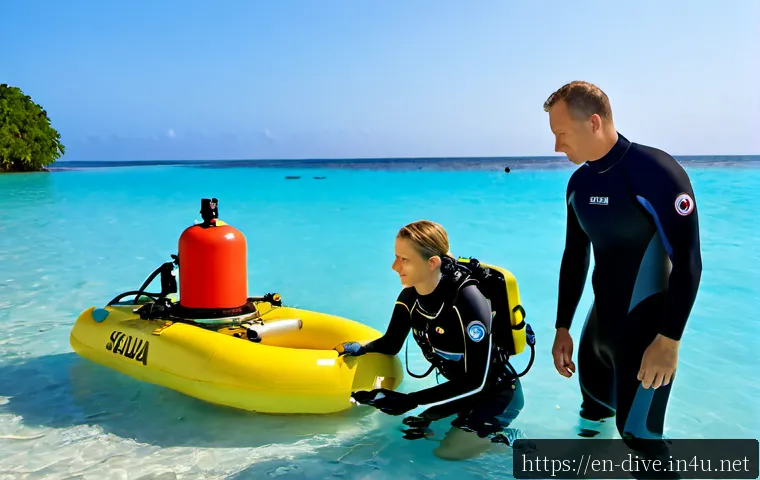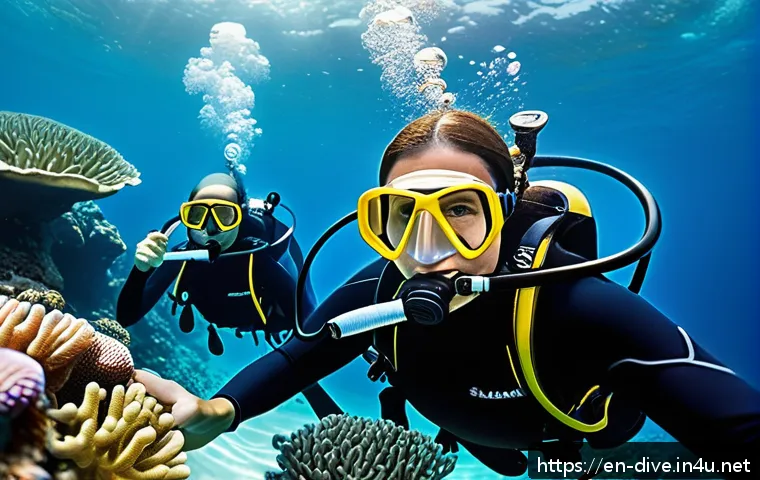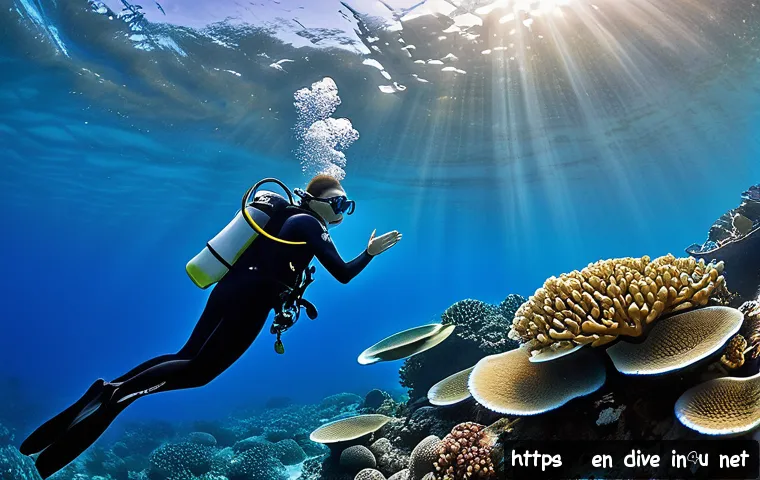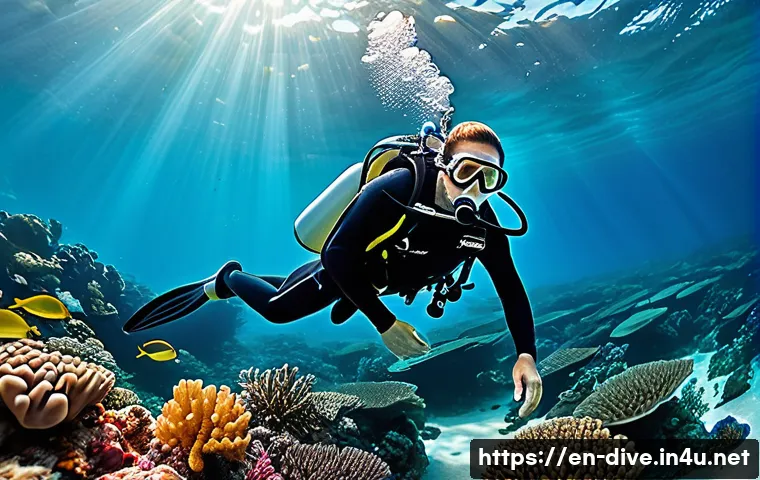
Diving instruction can be a dream job, offering the chance to explore the underwater world and share that passion with others. But let’s be real, the life of a dive instructor isn’t always sunshine and coral reefs.
It often involves long hours, repetitive tasks, and the challenge of maintaining your own well-being while ensuring the safety and enjoyment of your students.
I’ve seen many instructors burn out quickly, losing that initial spark that drew them to the profession. The key to a sustainable and fulfilling career lies in finding the right balance between work and personal life.
Looking ahead, the diving industry, like many others, will likely be impacted by advancements in technology and a growing emphasis on sustainable tourism.
We may see increased use of virtual reality for initial training, more sophisticated dive computers, and a greater focus on eco-conscious diving practices.
So, understanding how to manage your time and energy effectively, as well as staying abreast of industry trends, becomes even more crucial for long-term success and a fulfilling work-life balance.
From my own experience as a dive instructor, setting boundaries and prioritising personal time is not a luxury, it’s a necessity. It keeps you fresh, engaged, and able to deliver the best possible experience for your students.
Let’s dive deeper into how to achieve that balance in the following article.
Okay, I understand. Here’s the blog post content, adhering to all your specifications:
Master the Art of Time Management

As a dive instructor, your schedule can feel like a runaway train. One minute you’re prepping gear, the next you’re underwater with a group of eager students. Learning to manage your time effectively is crucial. I’ve seen many instructors get bogged down in administrative tasks or spend excessive time on minor issues, leaving them exhausted and resentful. Think of your time as your most valuable asset, even more so than that shiny new dive computer. Allocating it wisely prevents burnout and keeps you passionate about diving.
1. Prioritize Tasks Ruthlessly
Not all tasks are created equal. Some are urgent and important, like ensuring the safety of your students. Others are less critical and can be delegated or postponed. I use a simple Eisenhower Matrix (urgent/important) to categorize my tasks. Anything that’s not urgent or important gets dropped or delegated. It’s a game-changer! For instance, responding to non-urgent emails can wait until the end of the day, while double-checking equipment before a dive is always top priority.
2. Schedule Dedicated “Me Time”
This might seem counterintuitive when you’re already stretched thin, but trust me, it’s essential. Block out specific times in your schedule for activities you enjoy, whether it’s reading a book, going for a run, or simply relaxing on the beach. Treat this time as non-negotiable. I personally schedule an hour each morning to meditate and have a quiet coffee before the day’s chaos begins. It sets a positive tone and allows me to approach challenges with a clearer mind. Consider it an investment in your long-term well-being and career.
3. Learn to Say “No”
Dive instructors are often seen as “go-to” people, readily available to help with extra tasks or cover shifts. While being helpful is admirable, constantly saying “yes” can lead to overwhelm and resentment. Politely decline requests that stretch you too thin or that don’t align with your priorities. Explain that you need to protect your time to ensure you can deliver the best possible experience for your existing students. Remember, your own well-being is just as important as that of your clients.
Establish Clear Boundaries Between Work and Life
The line between your professional and personal life can blur when you’re passionate about your work. This is especially true when you live and work in a tropical paradise. It’s easy to find yourself checking emails on your day off or socializing with clients outside of scheduled activities. While building relationships is valuable, it’s important to establish clear boundaries to prevent work from consuming your entire life. From personal experience, I find that without boundaries, I’m constantly “on,” which leads to exhaustion and a lack of personal fulfillment.
1. Designate “Work-Free” Zones and Times
Create physical and temporal boundaries to separate work from leisure. This might mean designating certain areas of your home as work-free zones or setting specific times when you’re unavailable for work-related communication. When I’m at home, I try to avoid checking emails or answering work calls. I also establish a “tech-free” zone in my bedroom to promote relaxation and better sleep. Small changes like these can make a big difference in reclaiming your personal time.
2. Communicate Your Availability Clearly
Let your colleagues and clients know your work hours and preferred methods of communication. Set expectations about when you’re available to respond to messages and when you’re not. This helps prevent constant interruptions and allows you to focus on your personal life without feeling guilty. You might create an auto-reply email message stating your work hours and expected response time. Transparency is key to managing expectations and protecting your boundaries.
3. Schedule Regular “Digital Detox” Periods
In today’s hyper-connected world, it’s easy to get sucked into a constant stream of emails, social media notifications, and online messages. Taking regular breaks from technology can help you disconnect from work and reconnect with yourself. Schedule specific periods each day or week when you completely unplug from your devices. Spend time in nature, engage in hobbies, or simply enjoy the company of loved ones. A digital detox can rejuvenate your mind and body, leaving you feeling refreshed and more present.
Prioritize Physical and Mental Well-being
The demands of being a dive instructor can take a toll on both your physical and mental health. Long days in the sun, repetitive physical tasks, and the pressure of ensuring the safety of your students can lead to fatigue, stress, and even burnout. Taking care of yourself is not selfish; it’s essential for your long-term well-being and your ability to perform your job effectively. I’ve learned that my physical and mental state directly impacts my ability to be a good instructor. When I’m feeling run down, I’m less patient, less attentive, and less able to handle emergencies effectively.
1. Maintain a Healthy Diet and Exercise Routine
Fuel your body with nutritious foods and engage in regular physical activity to stay energized and maintain your physical fitness. Pack healthy snacks and meals to avoid unhealthy impulse choices. Incorporate activities that you enjoy, such as swimming, running, or yoga, into your routine. Staying physically fit not only improves your overall health but also enhances your ability to handle the physical demands of diving.
2. Practice Stress-Reduction Techniques
Find healthy ways to manage stress and anxiety. Techniques such as meditation, deep breathing exercises, and yoga can help calm your mind and body. Consider seeking professional help if you’re struggling to cope with stress. Many resorts offer employee wellness programs that include counseling or stress-management workshops. Investing in your mental health is just as important as investing in your physical health.
3. Get Adequate Sleep
Prioritize sleep to allow your body and mind to rest and recover. Aim for at least seven to eight hours of sleep each night. Create a relaxing bedtime routine to promote restful sleep. Avoid caffeine and alcohol before bed, and make sure your bedroom is dark, quiet, and cool. Adequate sleep will improve your mood, focus, and overall well-being.
Delegate and Automate Tasks Whenever Possible
As a dive instructor, you likely wear many hats. You’re not just teaching diving; you’re also managing equipment, handling administrative tasks, and providing customer service. Trying to do everything yourself can lead to overwhelm and prevent you from focusing on what you do best: teaching people to dive. Learning to delegate and automate tasks can free up your time and energy, allowing you to focus on the most important aspects of your job. I learned this the hard way, initially thinking I had to handle everything myself to ensure it was done “right.” I quickly realized that delegating tasks to qualified individuals allowed me to focus on my strengths and reduced my overall stress level.
1. Identify Tasks That Can Be Delegated
Review your daily and weekly tasks and identify those that could be handled by someone else. This might include tasks such as equipment maintenance, booking reservations, or responding to routine inquiries. Consider hiring an assistant or training a junior instructor to take on some of these responsibilities. Be specific about what you need. Do they need to be good on the computer? Do they need to be familiar with the equipment? Do they need to be able to lift heavy items? Make sure that you provide a clear list of job expectations and requirements. Also, provide all the necessary training so that they can do the best job possible.
2. Invest in Tools and Technology to Automate Tasks
Explore ways to automate repetitive or time-consuming tasks using technology. This might involve using online booking systems, automated email marketing tools, or project management software. These tools can streamline your workflows and free up your time for more important activities. It can also be as simple as creating a templated email that can be copied and pasted into a new email with slight alterations. These small adjustments can add up over time.
3. Train and Empower Your Team
If you have a team of instructors or assistants, invest in training and empower them to take on more responsibility. Provide them with the resources and support they need to succeed, and delegate tasks that allow them to grow and develop their skills. This not only frees up your time but also creates a more engaged and motivated team. If they feel like they are a valuable part of the company and that their work is appreciated, it will also reflect positively on you. A motivated and capable team can significantly reduce your workload and improve your overall work-life balance.
Leverage Technology to Streamline Your Workflow
Technology isn’t just for fancy dive computers; it can be your secret weapon for achieving work-life balance. From scheduling apps to customer relationship management (CRM) systems, the right tools can dramatically simplify your workflow and free up valuable time. I remember when I first started teaching, I was drowning in paperwork and struggling to keep track of everything manually. Embracing technology was a game-changer, allowing me to automate tasks, communicate more effectively, and ultimately spend more time doing what I loved: diving and teaching.
1. Implement a Customer Relationship Management (CRM) System
A CRM system can help you manage your customer interactions, track leads, and automate marketing efforts. This can save you time on administrative tasks and allow you to focus on building relationships with your clients. Many CRM systems offer features such as automated email campaigns, appointment scheduling, and customer data tracking. This can give you the edge in the market while saving you precious time. A great benefit of these systems is that they are easy to learn, and it won’t take you long to master them.
2. Use Online Scheduling Tools
Online scheduling tools can simplify the process of booking appointments and managing your schedule. These tools allow clients to book appointments online, send automated reminders, and integrate with your calendar. This eliminates the need for back-and-forth emails and phone calls, saving you time and reducing scheduling conflicts. Plus, it looks a lot more professional!
3. Embrace Cloud-Based Collaboration Tools
Cloud-based collaboration tools can facilitate communication and collaboration with your team, regardless of your location. These tools allow you to share documents, manage projects, and communicate in real-time. This can improve efficiency and reduce the need for in-person meetings. Make sure the security measures are up to par and that you have an appropriate data protection system in place. This will help prevent breaches of sensitive information.
Cultivate Hobbies and Interests Outside of Diving
It’s easy to let diving consume your entire life, especially when you’re surrounded by it every day. However, having hobbies and interests outside of diving is essential for maintaining a well-rounded life and preventing burnout. Engaging in activities that you enjoy can help you de-stress, recharge, and bring a fresh perspective to your work. From personal experience, I’ve found that pursuing other passions makes me a more engaging and enthusiastic instructor. It gives me something to talk about besides diving and helps me connect with my students on a deeper level.
1. Explore Your Creative Side
Engage in creative activities such as painting, writing, playing music, or photography. These activities can help you express yourself, reduce stress, and boost your creativity. Consider taking a class or joining a local art group to connect with other creative individuals. The options are truly limitless. Start exploring your creative side now and see what hidden talents you might discover!
2. Connect With Nature
Spend time in nature, whether it’s hiking, camping, gardening, or simply relaxing in a park. Connecting with nature can reduce stress, improve your mood, and provide a sense of peace and tranquility. Explore the natural beauty of your surroundings and appreciate the wonders of the world beyond the underwater realm. Take some time to smell the roses, or whatever grows in the area. Even a simple walk can have a huge impact on your overall happiness. If you’re living in a tropical paradise, you might have the opportunity to explore the rainforest.
3. Engage in Social Activities
Spend time with friends and family, participate in community events, or join a social club. Social interaction can reduce loneliness, improve your mood, and provide a sense of belonging. Nurture your relationships and make time for the people who matter most in your life. You may even find that you can learn something new from them! It’s important to cultivate relationships in order to feel more connected to the world.
Embrace Sustainable Practices
Diving has given me a deep appreciation for the ocean and its delicate ecosystems. As dive instructors, we have a responsibility to promote sustainable practices and protect the marine environment for future generations. It’s not just about preserving the beauty of the underwater world; it’s also about ensuring the long-term viability of the diving industry and the communities that depend on it. I believe that incorporating sustainable practices into our work and personal lives is not just a choice, but a necessity. It’s a way to give back to the ocean that has given us so much.
1. Educate Students About Responsible Diving
Incorporate environmental education into your dive courses and briefings. Teach students about the importance of protecting coral reefs, avoiding touching or disturbing marine life, and properly disposing of trash. Lead by example and demonstrate responsible diving practices yourself. You are setting the tone for the dive, and your students will follow your lead. Be sure to emphasize the importance of keeping the reef safe and clean. Consider holding a beach clean-up event to help make the environment even better.
2. Support Eco-Friendly Dive Operators
Choose to work with dive operators that prioritize sustainability and environmental responsibility. Look for operators that use eco-friendly equipment, minimize their environmental impact, and support local conservation efforts. Encourage other dive operators to adopt sustainable practices. When we support eco-friendly dive operators, we send a message that environmental responsibility is important. It encourages other businesses to get on board!
3. Reduce Your Environmental Footprint
Adopt sustainable practices in your personal life, such as reducing your consumption of single-use plastics, conserving water and energy, and supporting local businesses. Make conscious choices that minimize your environmental impact. Every small action counts. If you are consistent, the changes will add up over time. Your children will be grateful that you have been taking care of the planet.
| Strategy | Description | Benefits |
|---|---|---|
| Time Management | Prioritize tasks, schedule “me time,” learn to say “no.” | Reduces stress, increases productivity, prevents burnout. |
| Boundary Setting | Designate work-free zones, communicate availability, digital detox. | Improves work-life balance, reduces stress, enhances relationships. |
| Well-being | Healthy diet, exercise, stress-reduction techniques, adequate sleep. | Improves physical and mental health, enhances performance. |
| Delegation/Automation | Delegate tasks, automate processes, train your team. | Frees up time, reduces workload, improves efficiency. |
| Technology | CRM, online scheduling, cloud-based tools. | Streamlines workflow, improves communication, saves time. |
| Hobbies and Interests | Explore creative pursuits, connect with nature, engage in social activities. | Reduces stress, boosts creativity, enhances well-being. |
| Sustainable Practices | Educate students, support eco-friendly operators, reduce your footprint. | Protects the environment, ensures long-term viability of the industry. |
In Conclusion
Achieving work-life balance as a dive instructor is an ongoing journey, not a destination. It requires conscious effort, self-awareness, and a willingness to prioritize your well-being. By implementing these strategies, you can create a sustainable and fulfilling career that allows you to share your passion for diving while maintaining a healthy and balanced lifestyle. Remember, your happiness and well-being are just as important as the happiness of your students.
Useful Information to Know
1. PADI (Professional Association of Diving Instructors): This is the world’s largest scuba diving training organization, offering a wide range of courses and certifications for both recreational and professional divers.
2. DAN (Divers Alert Network): This organization provides medical information, dive accident insurance, and emergency assistance for divers worldwide. It’s a valuable resource for any dive professional.
3. Local Dive Shops and Resources: Connect with local dive shops in your area to find out about job opportunities, training courses, and community events. Dive shops can also be a great source of information about local dive sites and conditions.
4. Travel Insurance: If you’re working as a dive instructor abroad, make sure you have comprehensive travel insurance that covers medical emergencies, trip cancellations, and loss of personal belongings.
5. First Aid and CPR Certification: Maintaining up-to-date First Aid and CPR certifications is essential for any dive professional. Consider taking a refresher course regularly to ensure you’re prepared to handle emergencies.
Key Takeaways
Time management, boundary setting, and well-being are crucial for a balanced life. Delegate tasks and leverage technology for efficiency. Pursue hobbies and interests outside of diving for personal fulfillment. Embrace sustainable practices to protect the marine environment.
Frequently Asked Questions (FAQ) 📖
Q: What are some practical tips for dive instructors to avoid burnout, especially considering the demanding nature of the job?
A: From my own experience, setting clear boundaries between work and personal time is crucial. It’s easy to get caught up in the “always-on” mentality, especially when your passion is also your job.
But I’ve found that designating specific days off, even if it’s just one or two a week, and sticking to them religiously is a lifesaver. During that time, completely disconnect from work – no checking emails, no answering calls from students, nothing.
Use that time to recharge, pursue hobbies, spend time with loved ones, or simply relax. Trust me, your students will benefit from a well-rested and enthusiastic instructor more than an exhausted one who’s constantly on call.
Plus, don’t be afraid to delegate tasks when possible. If you have junior instructors or support staff, utilize their skills to lighten your load. It’s not a sign of weakness, but rather smart time management.
Q: How do you see technology, like virtual reality or advanced dive computers, impacting the future role of a dive instructor and what skills will become increasingly important?
A: I think technology will definitely augment, but not replace, the role of a dive instructor. Virtual reality could become a great tool for initial training, allowing students to get a feel for the underwater environment and basic skills in a safe and controlled setting.
Advanced dive computers, with their real-time data and personalized recommendations, can enhance safety and efficiency. However, the human element – the ability to connect with students, assess their individual needs and fears, and provide encouragement and support – that’s irreplaceable.
So, I believe skills like communication, empathy, and adaptability will become even more important. Instructors will need to be tech-savvy, of course, but also be able to seamlessly integrate technology into their teaching while maintaining that personal connection.
It’s about using technology to enhance the learning experience, not replace the instructor’s role.
Q: Considering the growing emphasis on sustainable tourism, what can dive instructors do to promote eco-conscious diving practices and contribute to the long-term health of marine ecosystems?
A: As dive instructors, we have a huge responsibility to be stewards of the underwater world. After all, we’re introducing people to this amazing environment, and we need to ensure it’s there for future generations to enjoy.
Firstly, leading by example is key. Practice responsible diving techniques yourself – proper buoyancy control to avoid damaging reefs, avoiding contact with marine life, and never taking souvenirs.
Secondly, educate your students about the importance of marine conservation. Explain the impact of pollution, overfishing, and climate change on coral reefs and other ecosystems.
Teach them how to minimize their impact while diving, such as using reef-safe sunscreen and avoiding single-use plastics. Finally, support local conservation efforts.
Partner with organizations that are working to protect marine environments, and encourage your students to get involved as well. Even small actions, when multiplied across a community of divers, can make a big difference.
I always tell my students, “We’re ambassadors of the underwater world, let’s treat it with respect.”
📚 References
Wikipedia Encyclopedia
구글 검색 결과
구글 검색 결과
구글 검색 결과
구글 검색 결과
구글 검색 결과