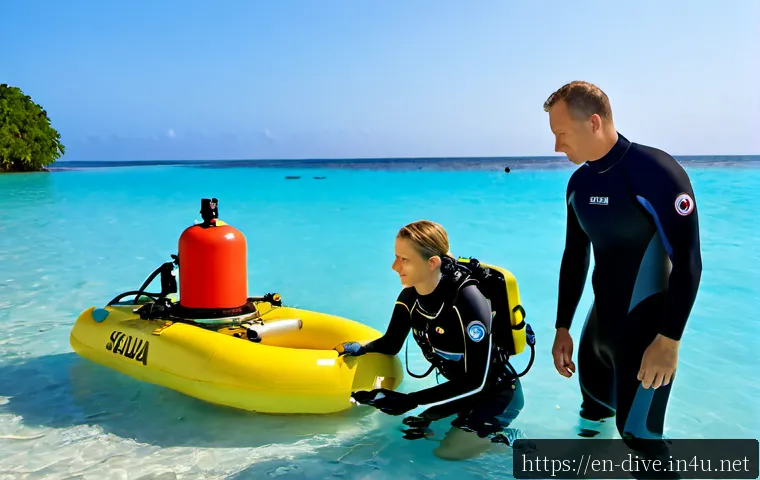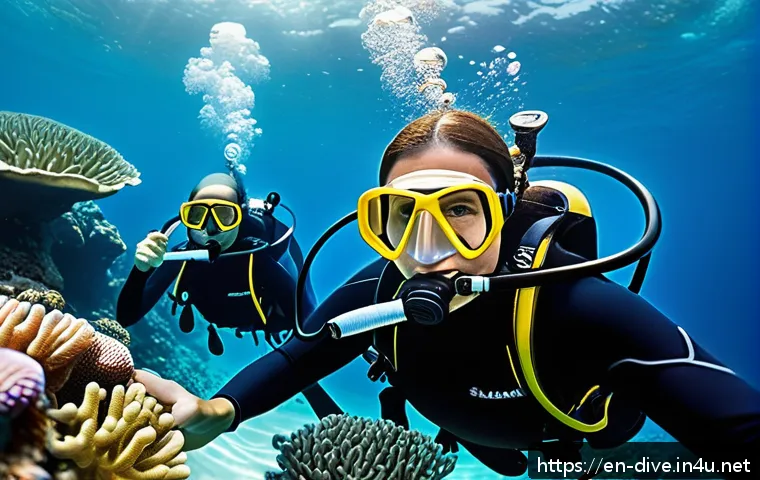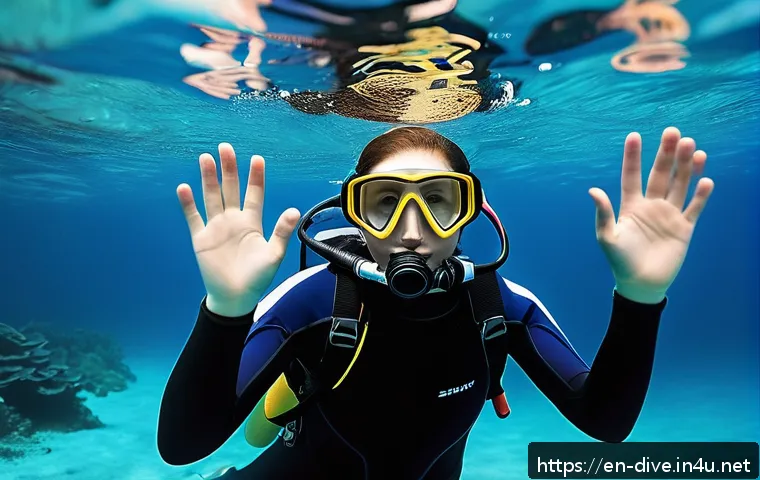
Maintaining peak physical condition is essential for diving instructors who rely on strength, flexibility, and endurance to ensure safety and performance underwater.

Regular exercise, proper nutrition, and injury prevention strategies are key to staying agile and resilient in demanding aquatic environments. From managing fatigue to enhancing lung capacity, the right body care can make a significant difference in daily teaching and diving sessions.
Understanding these aspects not only boosts your confidence but also sets a strong example for your students. Let’s dive deeper into how you can optimize your physical health for a successful career beneath the waves.
I’ll guide you through the essentials so you can master this vital aspect with confidence!
Building Core Strength for Underwater Stability
Why Core Strength Matters in Diving
When you’re underwater, maintaining a stable and controlled posture is crucial—not just for your own safety but also for guiding your students effectively.
A strong core acts like the foundation of a house; it supports every movement and keeps you balanced against currents or unexpected shifts. From my own experience, neglecting core workouts made me feel wobbly during long sessions, especially when assisting students in tricky conditions.
Incorporating targeted exercises like planks, Russian twists, and leg raises into your routine can dramatically improve your underwater control and reduce fatigue.
Effective Core Workouts Tailored for Divers
Not all core exercises translate equally to diving needs. For example, static holds like planks build endurance, while dynamic moves such as bicycle crunches enhance rotational strength, which is essential for maneuvering underwater.
I found that mixing both types of exercises, performed three to four times a week, kept my core resilient and responsive. Also, don’t forget the importance of breathing control during these workouts—it simulates the breath-hold and breath-regulation skills needed while diving.
Integrating Core Training with Flexibility
Strength alone isn’t enough. Flexibility in your torso and hips complements core strength by enabling smoother, more energy-efficient movements underwater.
Stretching routines that focus on the lower back, hip flexors, and obliques help prevent stiffness, which can quickly sap your energy during dives. Personally, combining yoga sessions with core workouts has been a game changer; it not only improved my range of motion but also helped me stay calm and focused, even in challenging underwater environments.
Optimizing Cardiovascular Fitness for Better Endurance
Cardio’s Role in Diving Performance
Diving demands a high level of cardiovascular fitness because your heart and lungs must efficiently supply oxygen during both exertion and recovery. I noticed that when my cardio was lacking, I felt out of breath quickly, which made teaching exhausting and less enjoyable.
Regular aerobic exercises like swimming, cycling, or running improve your stamina and lung capacity, making it easier to handle long hours underwater and multiple teaching sessions back-to-back.
Choosing the Right Cardio Training for Divers
Swimming is obviously a perfect fit since it mimics the environment where you perform. However, mixing in other forms like interval training or rowing can offer different cardiovascular challenges that enhance your overall fitness.
Interval training, with its bursts of high intensity followed by recovery periods, has personally helped me push my limits without burning out, which is ideal for the variable pace of diving activities.
Monitoring Progress and Avoiding Overtraining
Tracking your heart rate during workouts can help you stay in the optimal training zone to build endurance without risking injury. Overtraining is a real concern—when you push too hard, your recovery slows, and your performance dips.
I learned this the hard way after ignoring early signs of fatigue. Using wearable tech or even simple perceived exertion scales can guide you to balance effort and rest, keeping your cardiovascular system strong and ready for the demands of diving.
Nutrition Strategies to Fuel Your Diving Day
Key Nutrients for Energy and Recovery
Eating right isn’t just about staying lean; it’s about fueling your body to perform and recover efficiently. For diving instructors, complex carbohydrates like whole grains provide steady energy, while lean proteins support muscle repair after physically demanding days.
Healthy fats from sources like nuts and fish also play a role in brain function and inflammation control. From my experience, skipping meals or relying on quick snacks led to energy crashes, so planning balanced meals is a must.
Hydration: The Unsung Hero of Diving Health
Water often gets overlooked, but dehydration can sneak up fast, especially with salty water exposure and physical exertion. Proper hydration keeps your blood volume steady, which is essential for circulation and temperature regulation underwater.
I always carry a water bottle and make it a point to drink regularly before and after dives. Adding electrolytes during extended sessions also helps maintain balance and prevents cramps.
Timing Your Meals Around Dive Sessions
When you eat matters just as much as what you eat. Heavy meals right before diving can cause discomfort or sluggishness, while too little food leaves you drained.
A light, nutrient-dense meal 1.5 to 2 hours before a dive works best, giving your body time to digest and convert food into usable energy. Post-dive, prioritizing protein and carbs aids muscle recovery and replenishes glycogen stores, helping you bounce back quicker for the next lesson or dive.
Injury Prevention and Recovery Techniques
Common Injuries Among Diving Instructors
From repetitive strain in the shoulders due to handling gear, to lower back pain from prolonged bending and lifting, injuries can quickly sideline your career if ignored.
I’ve seen colleagues suffer from wrist tendonitis and knee discomfort, which made me proactive about injury prevention. Understanding your body’s warning signs and addressing discomfort early is crucial for longevity in this physically demanding job.
Warm-Up and Cool-Down Routines
A proper warm-up increases blood flow and loosens muscles, preparing you for the day’s physical challenges. Simple dynamic stretches and mobility drills targeting shoulders, hips, and ankles can reduce injury risk.
Post-dive cool-downs with gentle stretches and foam rolling help flush out lactic acid and reduce soreness. I make it a habit to never skip these routines, and it’s made a huge difference in how my body feels after long teaching days.
Rest and Active Recovery

Rest days and active recovery—like light swimming or walking—allow your body to repair without losing fitness. I’ve learned that pushing through pain leads to setbacks, whereas balancing effort with rest accelerates healing and performance.
Techniques like massage or using a percussion therapy device can also aid recovery, especially after intense sessions or travel.
Breath Control and Lung Capacity Enhancement
Breathing Techniques for Diving Efficiency
Controlled breathing helps conserve oxygen and manage stress underwater. Techniques like diaphragmatic breathing and slow, steady exhalations have personally helped me stay calm and extend my bottom time.
Practicing these on land and in the water trains your body to use oxygen more efficiently and reduces the risk of hyperventilation or panic.
Exercises to Increase Lung Capacity
Breath-hold training, such as static apnea and CO2 tolerance tables, can expand your lung capacity and tolerance to carbon dioxide build-up. I started incorporating these exercises gradually, and the improvement was noticeable in how relaxed I felt during long dives.
Always practice breath-hold exercises safely, ideally with a buddy or under supervision, to avoid risks.
Integrating Breath Control into Daily Practice
Beyond formal training, simply being mindful of your breathing throughout the day can improve your lung function. I make it a point to do breathing exercises during breaks or before sessions to reset my nervous system and optimize oxygen use.
This habit has enhanced my focus and resilience, especially when dealing with stressful teaching situations or strong currents.
Balancing Flexibility with Strength for Fluid Movement
Targeted Stretching for Key Muscle Groups
Flexibility in areas like the shoulders, hips, and lower back is essential to prevent stiffness and enable smooth underwater movements. I focus on stretches like shoulder dislocations, hip openers, and spinal twists to maintain mobility.
Regular stretching sessions help reduce muscle tension and improve posture, which is critical when carrying heavy gear or assisting students.
Combining Strength and Flexibility Workouts
Too often, people focus on one and neglect the other. I’ve found that combining resistance training with flexibility routines creates a balance that prevents injuries and enhances performance.
For example, after a strength session, dedicating time to stretch prevents muscle tightness and supports recovery. This synergy makes daily diving tasks feel easier and less taxing.
Using Yoga and Pilates for Overall Body Awareness
Yoga and Pilates have been invaluable in developing body awareness, balance, and flexibility. These practices encourage mindful movement and breathing, which translate well into diving.
Incorporating even short sessions a couple of times a week has helped me improve posture, reduce stress, and maintain a strong, flexible body ready for the demands of underwater work.
Sample Weekly Fitness Plan for Diving Instructors
| Day | Activity | Focus | Duration |
|---|---|---|---|
| Monday | Core Strength Training + Stretching | Planks, Russian Twists, Yoga Stretches | 60 minutes |
| Tuesday | Cardio (Swimming Intervals) | Endurance & Lung Capacity | 45 minutes |
| Wednesday | Rest or Active Recovery | Light Swimming or Walking | 30 minutes |
| Thursday | Strength Training (Upper Body Focus) | Resistance Bands, Dumbbells | 60 minutes |
| Friday | Flexibility & Breath Control | Yoga + Breathing Exercises | 45 minutes |
| Saturday | Cardio (Cycling or Rowing) | Endurance & Heart Health | 45 minutes |
| Sunday | Rest | Full Recovery | — |
글을 마치며
Building and maintaining physical fitness tailored to diving is essential for safety, performance, and longevity in this demanding profession. By focusing on core strength, cardiovascular health, nutrition, injury prevention, and breath control, you set yourself up for success both in and out of the water. Remember, consistency and mindful training are key to staying energized and effective as a diving instructor. Embrace these habits, and your underwater experience will become smoother and more enjoyable.
알아두면 쓸모 있는 정보
1. Core exercises that blend static holds and dynamic movements enhance underwater stability and reduce fatigue during long dives.
2. Incorporating interval cardio training alongside swimming can significantly boost your endurance and lung capacity for demanding dive sessions.
3. Proper hydration with electrolytes before and after dives helps prevent cramps and maintains optimal circulation underwater.
4. Warm-up and cool-down routines with dynamic stretches and foam rolling are vital to prevent injuries and speed up recovery.
5. Breath control exercises practiced daily improve oxygen efficiency and help manage stress during challenging underwater situations.
중요 사항 정리
Maintaining a balanced fitness routine that combines strength, flexibility, and cardiovascular training is crucial for diving instructors to perform safely and effectively. Prioritize injury prevention through proper warm-ups, listen to your body’s warning signs, and allow adequate recovery time. Nutrition and hydration play foundational roles in sustaining energy levels and muscle recovery throughout your dive days. Lastly, mastering breath control not only enhances your underwater endurance but also supports calmness and focus during teaching or exploration. These integrated practices form the cornerstone of a long, healthy, and rewarding diving career.
Frequently Asked Questions (FAQ) 📖
Q: How often should diving instructors engage in physical training to maintain peak condition?
A: From my experience, consistency is key. I recommend diving instructors train at least 4 to 5 times a week, mixing cardiovascular workouts, strength training, and flexibility exercises.
This balanced routine helps build endurance and muscle strength essential for handling gear and managing underwater tasks. Skipping sessions or irregular workouts often lead to fatigue and increased injury risk, so sticking to a steady schedule really makes a difference in performance and safety.
Q: What are some effective injury prevention strategies for diving instructors?
A: Injury prevention starts with proper warm-ups and cool-downs before and after dives. I’ve found that incorporating dynamic stretching and mobility drills not only improves flexibility but also reduces muscle strains.
Listening to your body is crucial—if you feel persistent pain or tightness, addressing it early with rest, physiotherapy, or targeted exercises can prevent worsening conditions.
Additionally, maintaining good posture during gear handling and using ergonomic techniques can protect your back and shoulders, which are often vulnerable in this profession.
Q: How can diving instructors enhance lung capacity and manage fatigue during long teaching sessions?
A: Improving lung capacity involves regular breath-hold training and aerobic exercises like swimming or running. Personally, I practice controlled breathing techniques daily, which has noticeably increased my underwater endurance.
Managing fatigue also means prioritizing nutrition and hydration—eating balanced meals rich in antioxidants and staying well-hydrated keeps energy levels stable.
On busy days, pacing yourself and taking short breaks when possible helps maintain focus and alertness, ensuring both your safety and that of your students.