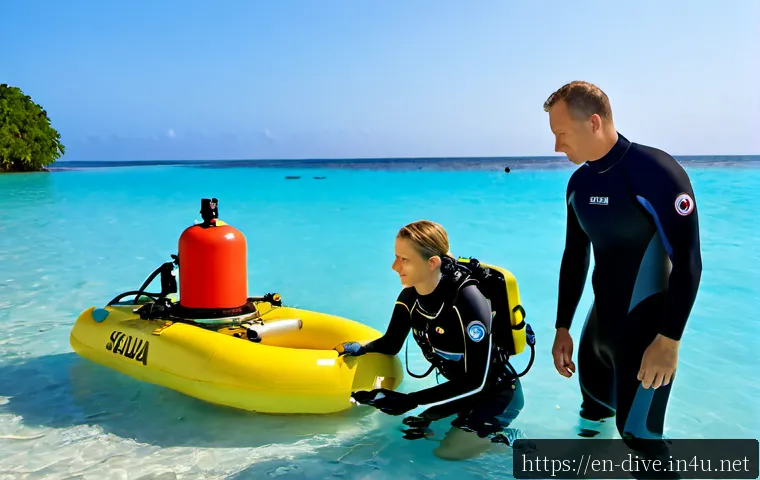
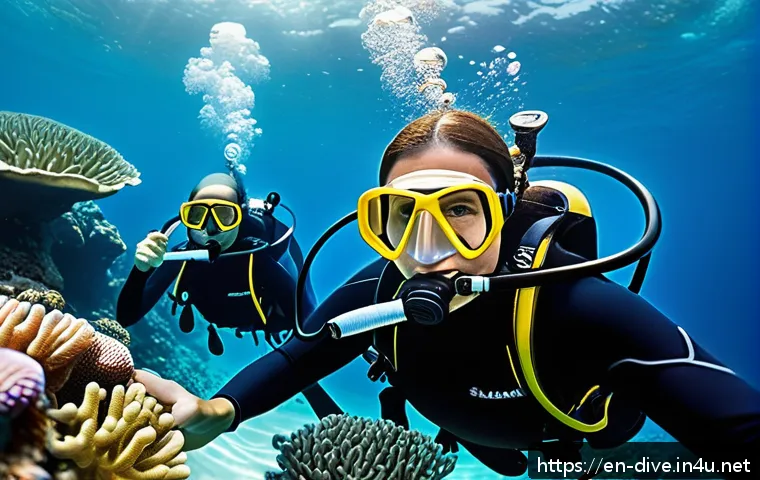
Hey fellow ocean lovers! Have you ever dreamt of turning your passion for diving into a career, guiding others through the breathtaking underwater world?

Becoming a diving instructor is an incredible journey, truly life-changing, but let me tell you, choosing the right training center can absolutely make or break that experience.
I’ve seen firsthand how a fantastic program can set you up for success, while a less-than-stellar one can leave you feeling unprepared and even a bit lost.
It’s not just about getting a certification; it’s about gaining the confidence, expertise, and real-world skills to be an exceptional and safe instructor, ready for anything the ocean throws at you.
With so many options out there, from vibrant tropical paradises to reputable local dive shops, how do you even begin to pick the perfect fit for *you*?
You want a center that not only meets the highest industry standards but truly equips you for a thriving career in a constantly evolving dive landscape, ensuring you’re ahead of the curve, don’t you?
It’s a big decision, a truly pivotal one for your future, and frankly, one you absolutely need to get right. Let’s make sure you’re getting the best start possible.
We’ll explore exactly what to look for, so you can make an informed decision and embark on your incredible instructor journey with absolute confidence.
Discovering the Heart of a Training Center: It’s All About the Vibe
When you’re sifting through endless brochures and glossy websites, it’s easy to get caught up in the picturesque images of sun-drenched beaches and crystal-clear waters.
But I’ve personally found that the true essence of a diving instructor training center isn’t just about the stunning backdrop; it’s about the atmosphere, the people, and that intangible feeling you get when you step through their doors.
Think about it – you’re going to be spending weeks, maybe even months, immersed in this environment, pushing yourself mentally and physically. A center with a genuinely supportive, enthusiastic, and professional vibe can make all the difference, transforming potential struggles into triumphs.
It’s not just about the curriculum; it’s about the mentorship, the camaraderie among students, and the genuine passion radiating from the instructors.
I once chose a place purely for its reputation, only to find the staff aloof and the energy flat – it made learning feel like a chore, not an adventure.
You need a place where the love for diving is infectious and where everyone, from the most seasoned instructor to the newest trainee, feels like part of a thriving, enthusiastic community.
This collective energy is what will fuel your learning, challenge your limits, and ultimately shape you into the confident instructor you aspire to be.
Trust your gut feeling here; sometimes the best choice isn’t the one with the biggest name, but the one that feels like home.
The People Behind the Passion: Instructor Experience and Personality
Honestly, the instructors themselves are the backbone of any fantastic training program. I’ve learned from some truly incredible dive professionals who not only possess encyclopedic knowledge but also have that rare ability to convey complex concepts with simplicity and patience.
They’re not just teaching you skills; they’re mentoring you, sharing invaluable real-world insights from their own varied careers. When you’re researching centers, don’t be shy about asking to speak with some of the lead instructors.
Are they approachable? Do they seem genuinely invested in their students’ success? My best instructors were the ones who made me feel comfortable asking “silly” questions, who pushed me gently outside my comfort zone, and who shared captivating stories from their own diving adventures that truly brought the lessons to life.
Their expertise, combined with a supportive and encouraging demeanor, is absolutely crucial for building your confidence and ensuring you develop not just the skills, but also the crucial soft skills needed to manage students and handle unexpected situations gracefully.
Community and Camaraderie: Your Dive Family Away From Home
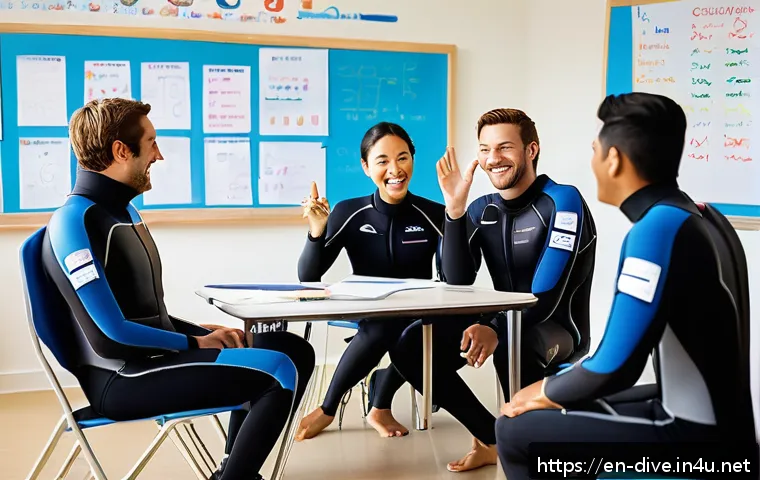
You’re not just signing up for a course; you’re joining a temporary family. The bond you form with your fellow divemaster and instructor candidates will be unlike almost any other.
You’ll be sharing intense learning experiences, facing challenges together, and celebrating every small victory along the way. I remember one course where a few of us really struggled with certain skills, and it was the encouragement from our classmates, combined with the instructor’s patient guidance, that pulled us through.
A strong sense of community within the training center fosters this kind of mutual support. Look for centers that encourage group activities, social gatherings, and a general feeling of togetherness.
This environment not only makes the challenging parts of the course more manageable but also creates a professional network that can last a lifetime. Many of my best professional contacts and lifelong friends came directly from my instructor training days, and that’s something you simply can’t put a price on.
Mastering the Practicalities: Evaluating Program Structure and Resources
Beyond the warm fuzzies of a good vibe, you absolutely need to dig into the nuts and bolts of the program itself. This is where your inner detective comes out, scrutinizing everything from the daily schedule to the quality of the equipment.
I’ve seen some centers that promise the world but deliver a cramped, rushed experience because they simply don’t have the resources or the proper scheduling.
You’re investing significant time and money into this, so you deserve a clear understanding of what you’re actually getting. A well-structured program will balance theoretical knowledge with extensive practical application, ensuring you’re not just memorizing facts but truly understanding how to apply them safely and effectively in real-world scenarios.
Look for a curriculum that offers ample in-water practice, varied teaching scenarios, and opportunities to assist experienced instructors with real students.
This hands-on experience is invaluable and something often overlooked by centers focused solely on pushing certifications quickly. Don’t hesitate to ask for a detailed breakdown of a typical day or week in the program, and inquire about class sizes – smaller ratios often mean more personalized attention, which can make a huge difference in your learning curve.
Equipment Quality and Maintenance: Your Tools for Success
Imagine trying to learn to fix a car with rusty, outdated tools – not ideal, right? The same goes for dive equipment. While you’ll likely use your own gear for much of the training, the quality of the center’s rental or supplementary equipment, especially for teaching aids and specialty courses, speaks volumes.
A top-notch center will have well-maintained, modern gear that is regularly serviced and replaced. I remember being in a course where the teaching aids were constantly malfunctioning, creating frustrating delays and detracting from the learning experience.
Ask about their equipment rental policies and, if possible, take a look at their gear locker. Do things look organized and well-kept? Are regulators serviced regularly?
This might seem like a small detail, but reliable equipment is fundamental to both your safety and your ability to effectively demonstrate and teach skills to future students.
A commitment to quality equipment reflects a center’s overall dedication to professionalism and safety.
Learning Facilities and Logistics: Beyond the Classroom Walls
The physical learning environment plays a bigger role than you might initially think. Are the classrooms comfortable and conducive to learning? Is there a dedicated pool or confined water area that’s easily accessible and properly set up for training?
I’ve trained in places with amazing classrooms, and others where we were crammed into a tiny, hot space, struggling to focus. Beyond the classroom, consider the logistics of the dive sites.
Are they varied and challenging enough to provide a broad range of experience? Are transportation and logistics for dive excursions well-organized? Sometimes centers advertise incredible dive sites but then make accessing them a logistical nightmare, eating into valuable training time.
A center that has streamlined these operational aspects demonstrates a level of professionalism and efficiency that directly benefits your learning experience.
You want a place where the focus is on your development, not on overcoming unnecessary organizational hurdles.
Navigating the Financials: Understanding Costs and Value
Let’s talk money, because let’s be real, becoming a diving instructor is an investment. And like any significant investment, you need to understand exactly what you’re paying for and what kind of value you’re getting in return.
It’s not just the sticker price of the course; there are often hidden costs that can quickly add up if you’re not prepared. I’ve heard too many stories of aspiring instructors getting halfway through their training only to discover they need to shell out hundreds more for unexpected fees.
A transparent center will provide a clear, itemized breakdown of all costs upfront, including course fees, materials, certification fees, equipment rentals (if applicable), and any additional charges for things like marine park fees or transportation to dive sites.
Don’t be afraid to ask for this detailed breakdown and compare it across different centers. Remember, the cheapest option isn’t always the best value if it means compromising on quality, experience, or post-course support.
Breaking Down the Budget: What’s Included, What’s Not?
This is where you need to get granular. A good center will clearly articulate what is covered in their advertised price. Does it include all the required PADI (or other agency) materials?
What about your certification application fees? Are there any hidden charges for things like dive site entry or boat fees? When I was looking, I created a simple spreadsheet to compare different centers, not just by their headline price, but by their *total estimated cost*.
I factored in things like accommodation, food, and even local transportation, which can vary wildly depending on the center’s location. For example, some centers offer package deals that include accommodation, which can sometimes be more cost-effective than arranging it yourself, especially in popular tourist destinations.
| Cost Category | What to Ask | Why It Matters |
|---|---|---|
| Course Tuition | Is this the final price? Are there installment options? | Core cost, flexibility of payment. |
| Materials & Kits | Are all required manuals, slates, and e-learning included? | Essential for studying, often a separate cost. |
| Certification Fees | Does the price cover your PADI/SSI/etc. application? | Directly paid to the certifying agency, can be significant. |
| Equipment Rental | If I don’t own all gear, what are rental costs? | Crucial if you’re not bringing a full set. |
| Dive Site/Park Fees | Are these included for all training dives? | Often mandatory, can add up quickly. |
| Accommodation | Is lodging included or available at a discount? | Major expense, especially for longer courses. |
| Insurance | Is dive insurance mandatory or recommended? | Safety net for accidents, usually personal responsibility. |
Return on Investment: Beyond Just a Certification Card
Beyond the immediate costs, think about the long-term return on your investment. A higher-quality, slightly more expensive program might actually be a better value if it better prepares you for employment, opens doors to better job opportunities, or provides ongoing support.
My own experience showed me that the skills and confidence I gained from a truly thorough program were invaluable when I started applying for jobs. Centers that focus on developing well-rounded instructors, not just certified ones, tend to produce graduates who are more employable and successful.
This means asking about their job placement assistance, networking opportunities, and any advanced training or specialty instructor ratings they might offer.
It’s about looking at the bigger picture: how well will this program equip you for a thriving career, not just a successful exam?
Your Future in Focus: Post-Certification Support and Career Pathways

Getting your instructor certification is a huge milestone, a fantastic achievement, but let me tell you, it’s really just the beginning of your journey.
What happens *after* you’ve proudly hung that shiny new card on your wall? This is where many aspiring instructors feel a bit adrift, and it’s precisely why post-certification support is such a critical, yet often overlooked, factor in choosing your training center.
I’ve personally seen friends who chose centers based purely on price or location, only to feel completely abandoned once the course was over, struggling to find their first job or navigate the complexities of the dive industry.
A truly exceptional center understands that their responsibility extends beyond the final exam; they genuinely care about launching your career. They’ll offer guidance, connections, and sometimes even direct job opportunities that can be absolutely invaluable in those initial, often daunting, first few months as a professional.
Bridging the Gap: From Trainee to Professional
The transition from being a student to becoming a professional dive instructor can be a bit intimidating. Suddenly, you’re the one in charge, responsible for others’ safety and learning.
This is where a center that offers practical assistance in finding your first job really shines. Do they have a network of dive resorts or shops they regularly place graduates with?
Do they offer workshops on resume writing for the dive industry, or perhaps interview practice? Some centers even have internship programs where you can gain real-world experience shadowing seasoned instructors, which is an incredible way to build your confidence and refine your teaching style in a live environment.
I found that having a direct connection to potential employers through my training center significantly reduced the stress of job hunting and gave me a massive head start in my career.
It’s like having a dedicated career counselor specifically for the dive world.
Ongoing Mentorship and Professional Development
The learning doesn’t stop once you’re certified. The dive industry is constantly evolving, with new techniques, equipment, and specialty courses emerging regularly.
A great training center will foster a relationship that extends beyond your initial course, offering ongoing mentorship and opportunities for continued professional development.
Do they host regular workshops or seminars for their alumni? Are they a resource you can turn to for advice as you gain experience? I’ve stayed in touch with my former instructors for years, often reaching out for advice on challenging teaching scenarios or insights into new equipment.
This kind of lasting support, this sense of being part of a larger professional family, is incredibly beneficial for your long-term growth and success as a dive instructor.
It ensures you remain current, confident, and continually expanding your expertise in the dynamic world of diving.
Safety at the Forefront: A Non-Negotiable Standard
Okay, let’s talk about something incredibly serious: safety. In our world, the ocean demands respect, and every single dive operation, especially a training center, must place safety above absolutely everything else.
I’ve been in situations where I’ve seen corners cut, and believe me, it sends chills down your spine. When you’re choosing a place to learn how to teach others to safely explore the underwater realm, their commitment to safety should be your absolute top priority – a non-negotiable, end-of-story requirement.
This isn’t just about having a first-aid kit on the boat; it’s about a deep-seated culture of awareness, preparedness, and proactive risk management that permeates every aspect of their operation, from the top instructors down to the most junior staff member.
You should feel an inherent sense of trust and security in their approach, knowing that they will always prioritize the well-being of their students above all else.
Any compromise here is simply not worth the risk.
Rigorous Protocols and Emergency Preparedness
How does the center handle emergencies? It’s not a fun thing to think about, but it’s absolutely vital. A truly professional center will have clearly defined, regularly practiced emergency action plans for a multitude of scenarios – everything from lost divers to medical incidents.
Do they conduct regular emergency drills? Are all staff members current on their first aid and CPR certifications, and do they have specific training in dive-related emergencies?
I remember one center that had an almost obsessive focus on emergency preparedness, constantly reviewing protocols and even staging mock emergencies. While it felt intense at the time, it instilled a profound sense of confidence in their ability to handle anything, and that’s the kind of environment you want to be learning in.
Ask about their staff-to-student ratio during in-water training, and inquire about the availability of oxygen and other emergency equipment on dive boats and at dive sites.
Equipment Maintenance and Dive Site Management
Safety also extends to the physical tools of our trade. We already touched on equipment quality, but let’s reiterate: regular, professional maintenance of all dive gear, including cylinders, regulators, BCDs, and especially compressors, is paramount.
A responsible center will have strict maintenance schedules and records for all their equipment. Beyond gear, consider their approach to dive site management.
Are they conducting thorough risk assessments of new sites? Do they provide detailed briefings on currents, potential hazards, and emergency procedures for each specific dive?
I’ve been on dives where the briefing was rushed, and it immediately raised a red flag. A center that takes the time to thoroughly prepare its students and staff for every dive, every time, is demonstrating a profound respect for safety, and that’s the kind of example you want to learn from and emulate in your own future teaching career.
Discovering the ideal diving instructor training center is a multifaceted quest, a blend of assessing the vibe, dissecting the curriculum, and scrutinizing the fine print.
It’s about finding a place where passion meets professionalism, where you feel challenged yet supported, and where you know, deep down, that you’re not just earning a certification, but embarking on a fulfilling career.
It’s a journey that requires careful consideration, thorough research, and, ultimately, trusting your gut feeling.
Wrapping It Up
Choosing the right dive instructor training center is a crucial decision that can significantly impact your future career. By carefully considering factors such as the center’s atmosphere, instructor experience, program structure, equipment quality, and post-certification support, you can make an informed choice that sets you up for success in the exciting world of diving.
Handy Tips to Remember
Here are a few quick tips to keep in mind as you navigate your search:
1. Visit in Person (If Possible): Nothing beats experiencing the atmosphere firsthand.
2. Talk to Alumni: Get honest insights from former students.
3. Read Online Reviews: See what others are saying about their experiences.
4. Trust Your Gut: If something feels off, don’t ignore it.
5. Don’t Be Afraid to Ask Questions: A good center will welcome your inquiries.
Key Takeaways
In summary, finding the right diving instructor training center involves looking beyond the surface. Focus on the people, the program’s structure, the resources available, the financial aspects, and the support offered after certification. Prioritize safety above all else, and remember that your choice will shape your future as a dive professional.
Frequently Asked Questions (FAQ) 📖
Q: s for choosing the right dive instructor training center:Q1: What are the most critical factors to consider when selecting a dive instructor training center, beyond just location and price?
A: Beyond the allure of an exotic location or a tempting price tag, the most critical factors revolve around the quality of the program and its instructors, as well as the center’s reputation and resources.
I always suggest diving deep into the instructor-to-student ratio; a smaller ratio means more personalized attention, which is invaluable. Check instructor qualifications and experience; ideally, they should have years of real-world teaching under their belts and be active divers themselves, not just churning out certifications.
Don’t forget to investigate the training materials, equipment, and facilities. Are they up-to-date and well-maintained? The best centers invest in top-notch gear and provide a comfortable and safe learning environment.
Also, peek into the center’s industry connections and job placement assistance. A center with strong ties to dive resorts and operators can open doors to employment opportunities after you get certified.
Finally, read student reviews and testimonials. Hearing from past participants can give you a genuine sense of the program’s strengths and weaknesses.
Q: How can I ensure that the dive instructor certification I receive will be recognized and respected globally, opening doors to job opportunities worldwide?
A: To ensure your certification carries weight internationally, focus on selecting a training center that is affiliated with a globally recognized dive training agency, such as PADI (Professional Association of Diving Instructors), SSI (Scuba Schools International), or NAUI (National Association of Underwater Instructors).
These agencies have established standards and quality control measures, so a certification from one of their affiliated centers is typically recognized worldwide.
Before committing to a program, confirm that the specific certification you will receive (e.g., PADI Open Water Scuba Instructor) is widely accepted in the regions where you hope to work.
Some areas may prefer one agency over another due to historical reasons or specific industry partnerships. It’s also smart to look into the agency’s membership benefits and continuing education options.
A reputable agency will offer ongoing support and opportunities to upgrade your skills and knowledge, making you a more marketable and valuable instructor.
Q: What questions should I ask a dive center to gauge their commitment to safety, ethical diving practices, and environmental responsibility?
A: Diving is amazing, but safety is paramount. Start by asking about the center’s safety record and protocols. How often do they conduct emergency drills?
What is their incident response plan? Also, find out if they have comprehensive insurance coverage for students and instructors. Probe into their approach to ethical diving practices.
Do they emphasize responsible interactions with marine life? Do they adhere to established guidelines for dive site conservation? What is their stance on handling sensitive marine environments?
Delve into their environmental initiatives. Do they participate in local conservation projects? Do they promote eco-friendly diving practices among students and staff?
A center that prioritizes safety, ethics, and environmental responsibility will readily provide detailed answers and demonstrate a genuine commitment to these values.
Look for a center that doesn’t just talk the talk but also walks the walk, setting a positive example for future generations of divers.