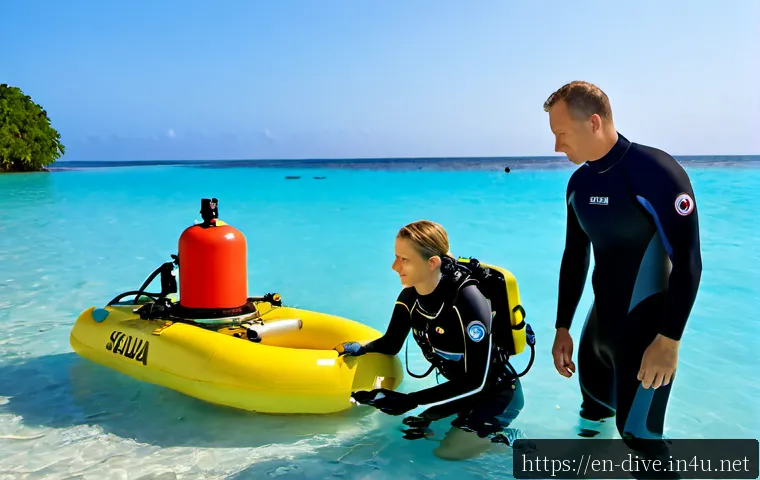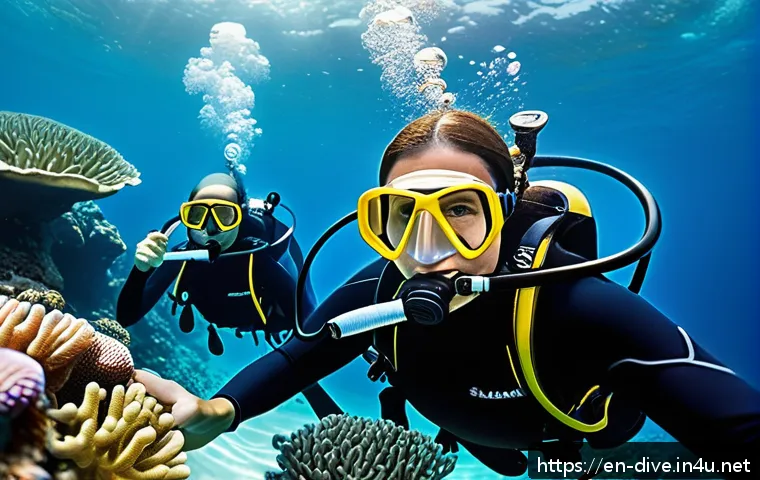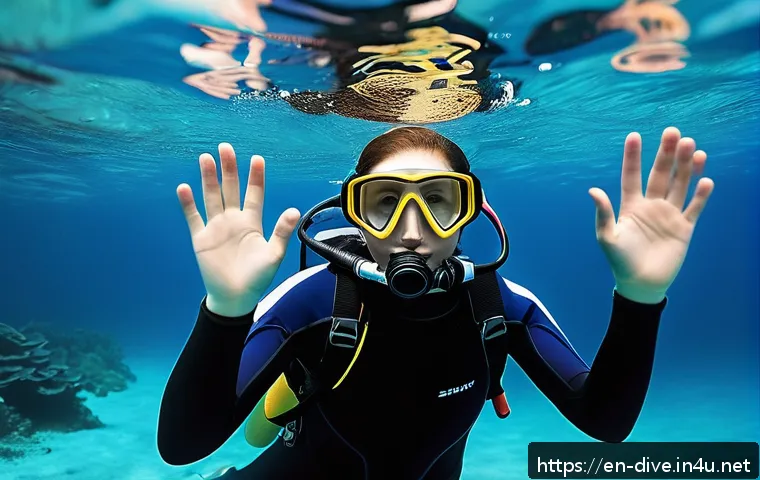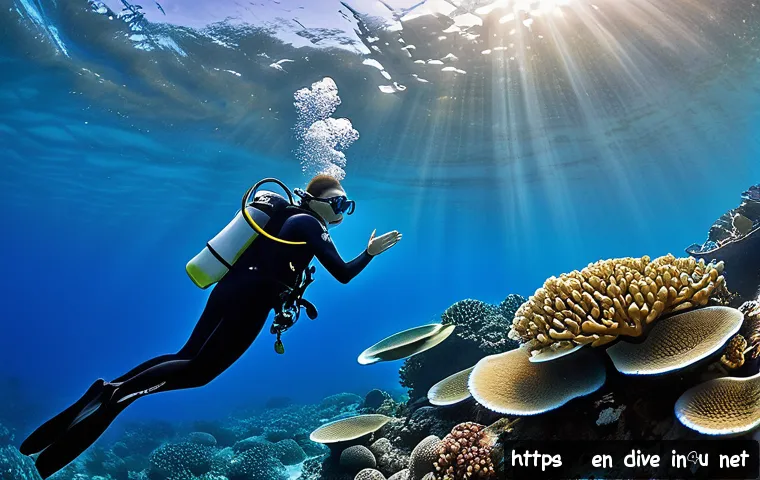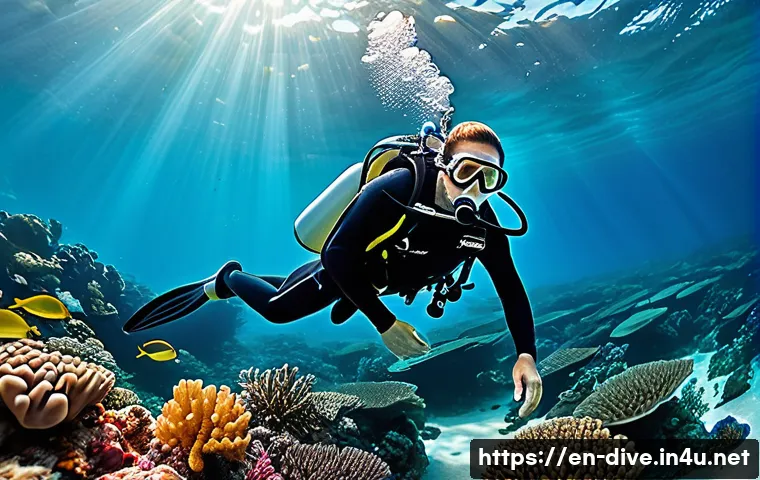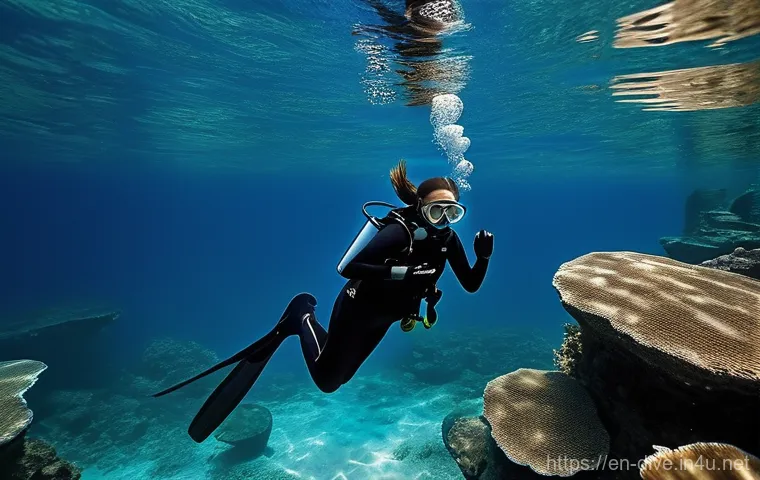
Becoming a diving instructor is truly an incredible journey, far beyond just knowing your buoyancy or the standard rescue drills. Trust me, having been in the water for years, I’ve seen firsthand how the diving world is constantly evolving, throwing new challenges and exciting technologies our way.
To genuinely stand out and make a real impact on your students, your technical skill set needs to go way beyond the foundational level, ensuring not only safety but also an unparalleled underwater experience.
It’s about building unbreakable confidence in those you teach, opening up new horizons for them, and truly mastering every unpredictable scenario the ocean might present.
If you’re serious about elevating your teaching, attracting more aspiring divers, and becoming a truly exceptional leader in the aquatic realm, focusing on advanced technical skills is your absolute game-changer.
Let’s explore these essential skills thoroughly in the deep dive below!
Mastering the Art of Underwater Presence and Precision
The Zen of Perfect Buoyancy
When I first started out, I honestly thought buoyancy was just about not hitting the bottom or rocketing to the surface. Boy, was I wrong! As instructors, we’re not just teaching divers to hover; we’re teaching them to *become* one with the water, to move effortlessly and gracefully.
This goes way beyond the basic fin pivot or hover. I’m talking about micro-adjustments with your breath, feeling the nuances of your equipment, and achieving a state where you don’t even *think* about your buoyancy – it just *is*.
I’ve seen divers, even experienced ones, struggle with this, and it’s often because their instructor didn’t push them to truly master the finer points.
My personal mantra? If you can’t thread a needle underwater with absolute stillness, you haven’t truly mastered buoyancy. It’s about being so comfortable and precise that your students watch you and think, “Wow, I want to move like that.” This level of control conserves air, protects the environment, and elevates the entire dive experience, allowing you and your students to truly appreciate the underwater world without distraction.
Advanced Propulsion Techniques
Beyond the flutter kick and frog kick we all learn, there’s a whole universe of propulsion techniques that can drastically improve a diver’s efficiency and situational awareness, and frankly, make you look incredibly competent.
Think about the helicopter turn for confined spaces, the backward kick to avoid disturbing sediment, or the modified frog kick for streamlined movement through tight spots.
When I was training in Cenotes down in Mexico, these techniques weren’t just nice-to-haves; they were essential for navigating those delicate, pristine environments without causing damage or stirring up silt.
Teaching these isn’t just about showing the movement; it’s about explaining *why* they’re important in specific situations and giving your students the confidence to apply them.
It’s about expanding their toolkit so they can tackle any underwater scenario with grace and minimal effort. Imagine leading a group through a delicate reef system; your ability to move precisely without a single misplaced fin kick sets the standard for responsible diving.
Beyond the Basics: Becoming a True Crisis Commander
Real-World Emergency Scenarios and Drills
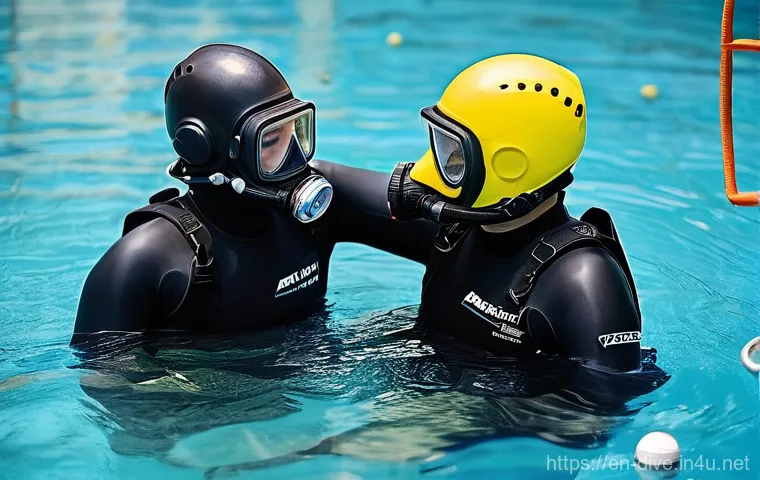
Okay, let’s be real. Every instructor learns the standard rescue drills – towing, egress, mouth-to-mouth resuscitation in the water. But how many truly practice them under pressure, in unpredictable, real-world conditions?
From my own experience, the classroom scenarios often feel sterile compared to a strong current or a panicked diver hundreds of feet from the boat. It’s not about just knowing the steps; it’s about reacting instinctually, maintaining calm, and managing multiple stressors simultaneously.
I once had a student unexpectedly bolt for the surface during a dive in choppy conditions, and every second counted. My training kicked in, but it was the *practice* of reacting to the unexpected, of having drilled these scenarios until they were muscle memory, that made the difference.
We need to go beyond the textbook and simulate actual stressors – low visibility, equipment malfunctions *you* create for the drill, even mild anxiety in a controlled environment.
That’s where true preparedness lies, and it’s what truly distinguishes a competent instructor from an exceptional one.
Psychological First Aid for Divers
It’s easy to focus on the physical aspects of diving emergencies, but the psychological impact on a diver, or even yourself, can be just as profound. I’ve found that one of the most underrated skills for a dive instructor is the ability to provide effective psychological first aid.
This isn’t about being a therapist, but about recognizing the signs of stress, panic, or post-incident trauma, and knowing how to respond empathetically and effectively.
Often, just a calm voice, a reassuring presence, and simple, direct instructions can de-escalate a rapidly worsening situation. After an incident, it’s about listening without judgment, validating their feelings, and guiding them through a debriefing process that helps them process what happened.
I remember a new diver who had a minor equipment issue underwater that shook them to their core. It wasn’t the gear problem that was the major hurdle; it was their shaken confidence.
Taking the time to talk them through it, understand their fear, and rebuild their trust was crucial, not just for their diving future but for their overall well-being.
This human element is paramount.
The Ocean’s Whisperer: Elevating Your Underwater Communication
Beyond Hand Signals: Integrated Communication Systems
While hand signals are the universal language underwater, relying solely on them in every situation can be limiting. As we push into more challenging environments or larger group dives, having advanced communication tools becomes a game-changer.
I’m talking about slate writing for detailed instructions, dive lights for signaling in low visibility, and even exploring modern underwater comms systems for direct verbal communication.
Think about leading a wreck dive where you need to point out specific features or convey complex instructions without breaking the flow of the dive. A good slate makes that possible.
Or imagine a night dive where light signals are your primary way of communicating hazards or directions. I personally invested in a decent underwater comms unit a few years back, and it absolutely transformed how I taught certain specialty courses, especially for students with hearing impairments or those who just thrived with instant feedback.
It’s not about replacing hand signals, but about augmenting them to enhance safety, clarity, and the overall teaching experience.
Reading the Water and Your Students
This is less about technology and more about pure intuition and observation, which comes from years of experience. A truly exceptional instructor can “read” the water – understanding subtle current changes, anticipating shifts in visibility, and predicting how marine life might react.
Even more importantly, they can read their students without a word being spoken. I’ve learned to spot the slight tensing in someone’s shoulders that indicates discomfort, the way their eyes dart around when they’re feeling overwhelmed, or the subtle shift in their fin kick when they’re getting tired.
These non-verbal cues are critical. It allows you to intervene *before* a problem escalates, offering a reassuring touch, a simple hand signal check-in, or even just adjusting the dive plan on the fly.
It’s like having an invisible tether to each student, feeling their energy, and knowing exactly when to step in or when to let them explore safely. This empathetic observation is developed over countless hours underwater, and it’s what builds immense trust and loyalty with your divers.
Opening New Worlds: Guiding Technical and Specialty Dives
Introduction to Technical Diving Instructor Pathways
Moving into technical diving instruction is a huge leap, but oh, is it rewarding! It’s not just about adding another certification; it’s about fundamentally changing how you approach diving.
When I first considered going down the tech route, I was intimidated by the complexity of gas mixtures, decompression procedures, and redundant equipment.
But the depth of knowledge you gain, and the ability to safely explore places few others ever see, is exhilarating. As a tech instructor, you’re not just teaching skills; you’re instilling a rigorous safety mindset, an obsessive attention to detail, and a profound respect for the inherent risks.
For example, guiding a deep wreck dive requires an understanding of gas narcosis effects, advanced navigation in overhead environments, and meticulous dive planning.
It’s a completely different ballgame than a reef dive, and it attracts a different caliber of student – those who are truly committed to pushing their limits safely.
If you want to carve out a niche and attract serious, dedicated divers, technical instruction is absolutely the path to take.
The Nuances of Specialty Instructor Ratings
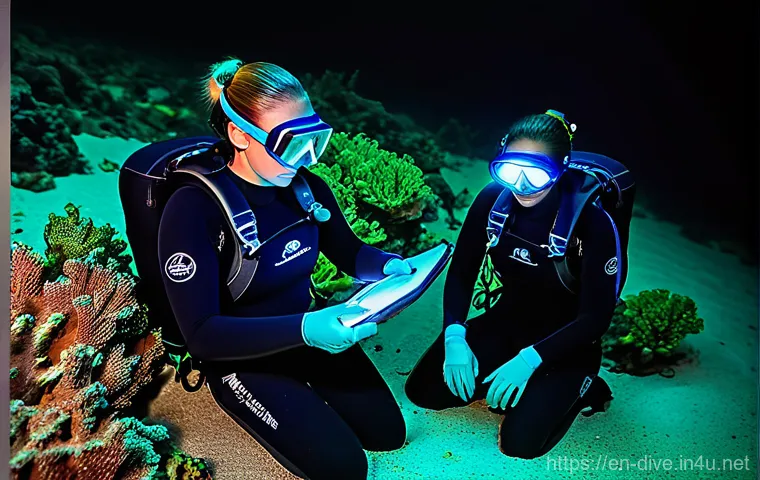
Beyond core certifications, specialty instructor ratings are where you can truly differentiate yourself and cater to specific interests, which in turn boosts your earning potential.
Think about it: anyone can teach Open Water, but how many instructors can teach Sidemount, Enriched Air Nitrox, Underwater Photography, or even Ice Diving?
Each specialty opens up a new market segment. For instance, my underwater photography specialty really brought in a whole new group of creative divers who wanted to capture the beauty of the ocean.
It’s not just about teaching them how to use a camera; it’s about teaching them buoyancy control for steady shots, lighting principles underwater, and even ethical photography practices.
| Skill Category | Foundational Instructor Focus | Advanced Instructor Focus |
|---|---|---|
| Buoyancy Control | Achieving neutral buoyancy, basic hovering. | Micro-adjustments, dynamic control in currents, precision movements. |
| Emergency Response | Basic in-water rescue, managing panicked diver. | Real-world scenario simulation, psychological first aid, multiple casualty management. |
| Equipment Knowledge | Assembly, basic function, pre-dive checks. | System optimization, field troubleshooting, advanced configuration for tech/specialty dives. |
| Teaching Environment | Open water, clear visibility, shallow depths. | Overhead environments (caverns, wrecks), strong currents, low visibility, deep dives. |
| Student Confidence | Basic skill mastery, comfort in water. | Resilience building, fear management, mentoring for advanced challenges. |
The beauty of these specialties is that they allow you to share your passions and attract divers who share those same interests, leading to incredibly fulfilling teaching experiences.
It’s also a fantastic way to keep your own skills sharp and continually learn. Divers are always looking for something new and exciting, and by offering a diverse range of specialties, you become the go-to person for adventure and expertise.
Becoming a Gear Sensei: Advanced Equipment Configuration and Troubleshooting
Optimizing Your Dive System for Any Environment
Anyone can slap together a BCD, regulator, and tank, but an advanced instructor understands how to truly *optimize* a dive system for performance, comfort, and the specific environment.
This isn’t just about what gear you have; it’s about how it’s configured. Think about hose routing for streamlining, weight placement for perfect trim, or selecting the right fin type for different propulsion needs.
When I was diving in colder waters off the coast of California, my drysuit configuration and regulator choice were critical for comfort and safety. Then, in the warm, clear waters of the Caribbean, I’d often strip down to a more minimalist setup.
It’s about having a deep understanding of how each component interacts and teaching your students how to personalize their kit. This level of insight makes you an invaluable resource.
You’re not just a teacher; you’re a trusted advisor who can help divers make informed decisions about their investments, ensuring they get the most out of every penny spent on gear.
On-the-Fly Field Repairs and Ingenuity
Let’s face it, gear breaks. Hoses leak, O-rings fail, fin straps snap. While having a well-stocked save-a-dive kit is essential, knowing how to improvise and make minor repairs on the fly can literally save a dive – or even prevent a serious issue.
I’ve been in situations more times than I can count where a quick fix with a zip tie, a bit of tape, or even just some creative use of spare parts has kept a dive trip on track.
It’s about developing an instinct for troubleshooting and having the practical skills to back it up. Teaching your students these quick fixes, and showing them how to identify potential points of failure, empowers them to be more self-sufficient and confident divers.
This isn’t just about mechanics; it’s about instilling a mindset of preparedness and resourcefulness. It builds incredible trust when your students see you calmly assess a gear issue and resolve it with a bit of ingenuity.
They know they’re in capable hands.
The Psychology of the Deep: Mentoring and Building Unshakeable Confidence
Understanding Diverse Learning Styles Underwater
Just like above water, every student learns differently underwater. Some are visual learners, needing to see a demonstration repeatedly. Others are kinesthetic, needing to *feel* the movement and practice it extensively.
Then you have auditory learners who benefit from clear, concise verbal (or slate) instructions. As an advanced instructor, recognizing these diverse learning styles and adapting your teaching approach on the fly is a superpower.
I’ve found that trying to force a square peg into a round hole underwater simply doesn’t work and can actually create anxiety. For a visual learner, I might spend extra time demonstrating a skill myself, or even drawing it out on a slate.
For a kinesthetic learner, I’ll emphasize hands-on practice and subtle physical guidance. It’s about being flexible and empathetic, truly understanding how each individual processes information in an environment that’s inherently alien to humans.
This personalized approach not only makes you a more effective teacher but also builds a deeper rapport with your students, fostering a sense of safety and trust.
Cultivating Resilience in Challenging Conditions
Diving isn’t always glassy seas and perfect visibility. Sometimes, currents pick up, visibility drops, or unexpected situations arise. Cultivating resilience in your students – the ability to stay calm, problem-solve, and adapt in challenging conditions – is one of the most valuable lessons you can impart.
This isn’t something you teach with a single skill demonstration; it’s built gradually through progressive exposure and careful mentoring. I often introduce controlled challenges in training, like asking students to navigate a slightly murkier section or practice skills with a simulated minor gear issue.
It’s about pushing their comfort zones just enough so they learn that they *can* handle adversity, building their self-efficacy. I remember a student who was incredibly nervous about strong currents.
Instead of avoiding them, we slowly worked on drift diving techniques in mild currents, building up their confidence until they actually *enjoyed* the feeling of being carried by the water.
That feeling of overcoming a fear, of realizing their own strength, is truly profound, and as an instructor, helping them unlock that is incredibly rewarding.
글을 마치며
Well, diving is more than just a hobby; it’s a lifestyle, a passion, and an incredible journey of continuous learning and growth. As instructors, we have this amazing privilege to not only explore the underwater world ourselves but to also guide others, helping them unlock their potential and experience its wonders safely and confidently. Every dive is a chance to refine our skills, deepen our understanding, and truly connect with the ocean and our students. I genuinely hope these insights inspire you to push your own boundaries and become an even more extraordinary diver and mentor. Keep exploring, keep learning, and most importantly, keep sharing that incredible underwater magic with the world.
알아두면 쓸모 있는 정보
1. Always prioritize ongoing education. The diving world is constantly evolving, with new gear, techniques, and safety protocols emerging. Staying current isn’t just about professional development; it’s about enhancing your own safety and that of your students.
2. Invest in quality gear that fits your diving style and the environments you frequent. While budget matters, compromising on essential equipment can lead to discomfort or even safety issues. Think of it as investing in your passion.
3. Practice emergency scenarios regularly, even when not actively teaching. Muscle memory is your best friend when faced with an unexpected situation. The more you drill, the more instinctive your reactions will become.
4. Cultivate a strong network of fellow dive professionals. Sharing experiences, challenges, and solutions with peers can be incredibly valuable for both personal growth and finding new opportunities. We’re all in this amazing journey together.
5. Never underestimate the psychological aspects of diving. A calm, reassuring demeanor can turn a potentially stressful situation into a manageable one. Empathy and understanding go a long way in building a diver’s confidence.
중요 사항 정리
In essence, becoming an advanced diving instructor transcends mere certification; it’s about cultivating a holistic mastery that integrates precise skills, keen observation, empathetic teaching, and unwavering preparedness. It’s a continuous journey of personal and professional refinement, empowering you to not only command the underwater realm but also to inspire and safeguard those you guide. Embrace the challenge, and the rewards of being a true ocean mentor will follow.
Frequently Asked Questions (FAQ) 📖
Q: What exactly are these ‘advanced technical skills’ you’re talking about, and why do I really need them as a diving instructor?
A: Oh, that’s a fantastic question, and it’s one I hear all the time! When I talk about ‘advanced technical skills,’ I’m definitely going beyond your basic open water or even rescue diver certifications.
We’re diving deep into things like sidemount configuration for enhanced maneuverability and redundancy, or understanding mixed gas principles for extended bottom times and safer deep dives.
Then there’s rebreather diving, which is a whole different ballgame, offering silent encounters with marine life and incredibly efficient gas usage. For me, personally, embracing these skills felt like unlocking new dimensions of the ocean.
It’s not just about bragging rights; it’s about being prepared for anything. I remember one dive where a student’s regulator free-flowed unexpectedly at depth, and because I had extensively practiced complex emergency procedures during my technical training, I was able to calmly and efficiently resolve the situation, ensuring both our safety.
These skills equip you to handle highly complex scenarios, expand your diving limits safely, and ultimately, provide a level of expertise that truly sets you apart from the crowd.
It’s about being a master, not just a guide.
Q: How do mastering these advanced technical skills genuinely elevate my teaching and attract more aspiring divers to my courses?
A: This is where the real magic happens! I’ve noticed a huge shift in my teaching style and the caliber of students I attract since I started pushing my own technical boundaries.
When you’ve personally mastered the intricacies of, say, gas switching on a deep decompression dive, that confidence shines through in every lesson you teach.
Your students can sense that you’re not just reciting from a textbook; you’re speaking from genuine, hands-on experience. This makes you an incredibly effective and inspiring instructor.
Think about it: when divers see you confidently navigating challenging environments or explaining complex physics with ease, they instinctively trust your judgment and expertise.
It allows you to offer specialized courses that others simply can’t, like technical diving fundamentals or even intro to cave diving, opening up entirely new revenue streams and attracting a more serious, dedicated type of student.
Plus, the word of mouth is incredible! Divers who feel truly safe and inspired by your advanced knowledge are far more likely to recommend you to their friends, building a loyal base of aspiring underwater explorers.
It’s not just about teaching; it’s about inspiring confidence and making dreams of deeper, longer, and safer dives a reality.
Q: This sounds incredibly appealing, but what’s the practical path to acquiring these skills, and is it truly a worthwhile investment for my diving career in the long run?
A: Absolutely, it’s a commitment, but one I can wholeheartedly tell you pays dividends! The practical path usually involves a series of specialized courses, often starting with foundational technical training like Advanced Nitrox and Decompression Procedures, then progressing to more complex certifications such as Extended Range, Trimix, or even Rebreather Diver.
Each step builds on the last, requiring dedicated time for both academic study and extensive in-water practice. Yes, it can be a significant investment in terms of time, money, and sheer effort—think specialized gear, course fees, and travel.
But let me tell you, from my personal experience, it’s one of the best investments I’ve ever made. Not only did it profoundly deepen my personal understanding and enjoyment of diving, but it completely transformed my career.
I started attracting higher-paying clients, got invited to lead unique expeditions, and gained access to a global network of technical diving professionals.
The increased income potential, expanded job opportunities, and immense personal satisfaction of guiding others safely through advanced underwater realms are invaluable.
It elevates you from being just an instructor to being a true authority, a respected leader in the diving community. Trust me, if you’re serious about making a significant mark in the diving world, this journey is absolutely, unequivocally worth it.