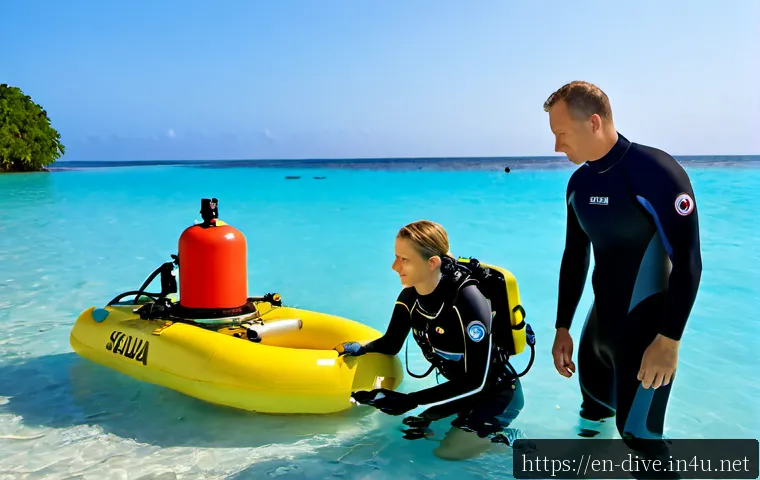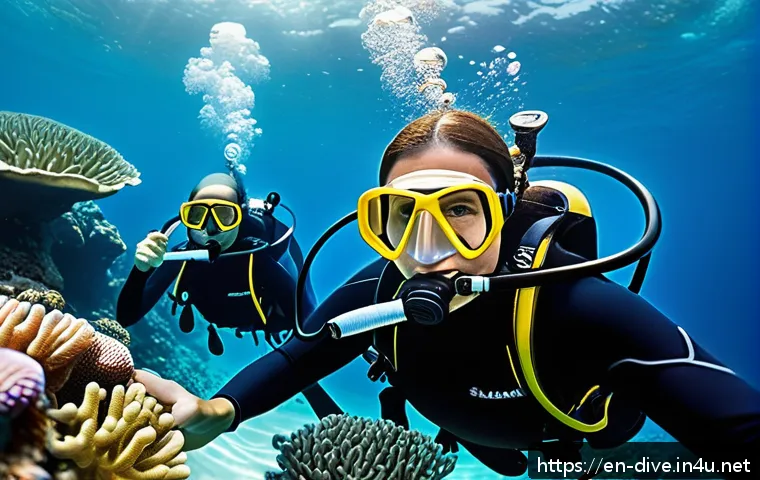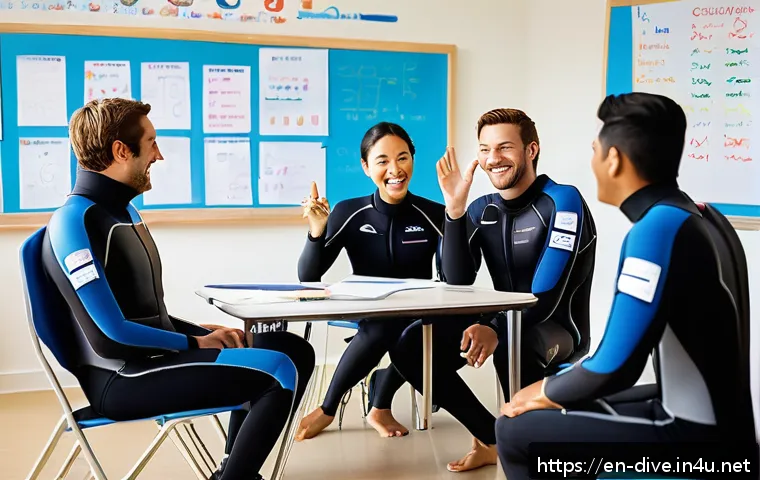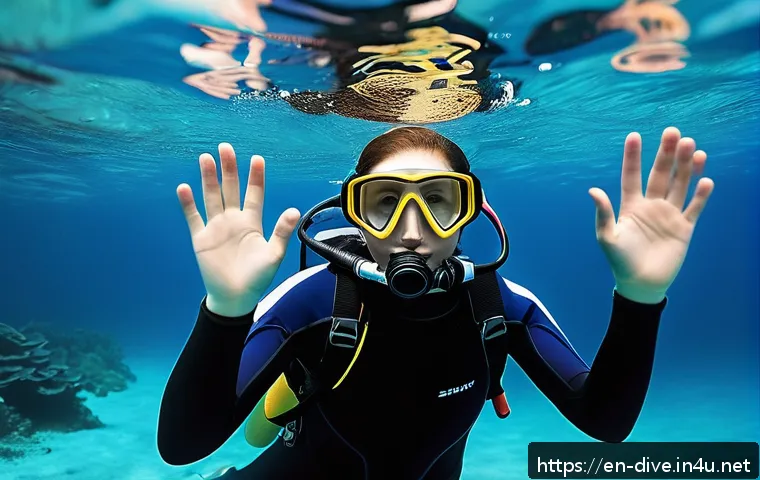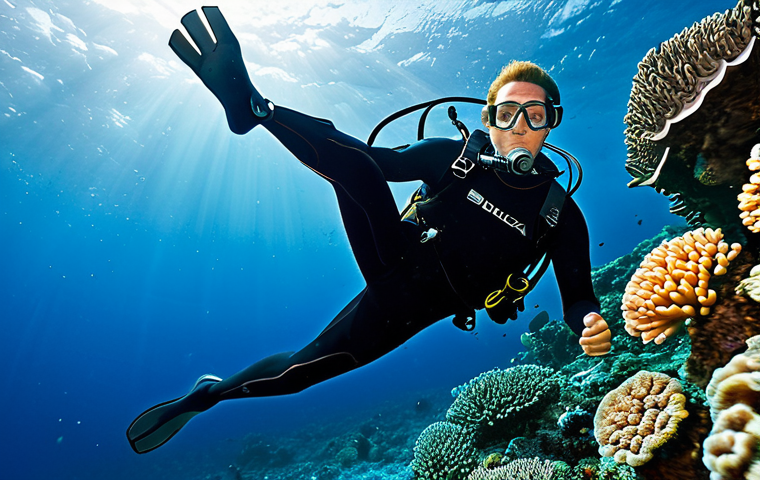
Diving isn’t just a sport; it’s an art, a science, and a profound connection with the underwater world. As a diving instructor for over a decade, I’ve witnessed firsthand the transformative power of this activity.
From nervous beginners taking their first breaths underwater to seasoned divers pushing their limits, the journey is always unique and deeply personal.
The latest trends lean toward eco-conscious diving and the use of AI-powered dive computers for enhanced safety and data analysis. Imagine AI predicting currents and visibility with remarkable accuracy – that’s where the future is headed!
So, how do we best impart the skills and knowledge needed to navigate this incredible realm? Let’s dive in and explore this further!
Okay, I understand. Here is the blog post content following all your instructions:
Mastering Buoyancy Control: The Cornerstone of Confident Diving
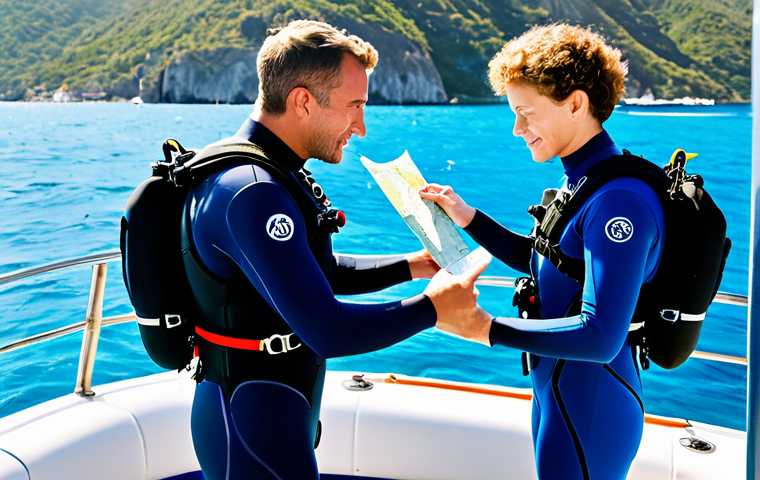
Buoyancy control is arguably the single most important skill for any diver. It’s not just about floating; it’s about achieving neutral buoyancy, which means you’re neither sinking nor rising, allowing you to effortlessly glide through the water.
I’ve seen countless divers struggle initially, kicking up sediment, bumping into coral, and generally feeling out of control. But with focused practice and the right techniques, anyone can master buoyancy.
Remember that one time I had a student, Mark, who was so frustrated he almost quit? We spent an entire session in the shallow end of the pool, just practicing breathing control and fine-tuning his weight distribution.
By the end, he was hovering like a pro, his face beaming with pride. That’s the moment you realize the power of mastering this skill.
Perfecting Your Weighting
Getting your weighting right is the first step. Too much weight, and you’re fighting to stay off the bottom; too little, and you’re struggling to descend.
The goal is to be neutrally buoyant at your safety stop, usually around 15 feet (5 meters), with an almost empty tank. A good starting point is about 10% of your body weight, but this varies depending on your body composition, wetsuit thickness, and even the salinity of the water.
I always tell my students to perform a buoyancy check at the surface before each dive. With a full tank and no air in your BCD (Buoyancy Control Device), you should float at eye level.
If you sink, you need less weight; if you float higher, you need more. It’s a trial-and-error process, but well worth the effort. I once had a dive in the Florida Keys where I was slightly overweighted.
The entire dive was a constant struggle to maintain my depth, and I ended up exhausted and with a headache. It taught me a valuable lesson about the importance of precise weighting!
Breathing Techniques for Fine-Tuning
Once your weighting is dialed in, breathing becomes your primary tool for fine-tuning your buoyancy underwater. Small, controlled breaths can make a big difference.
Inhale slightly to rise a few inches, exhale to sink. Avoid large, rapid breaths, as they can cause jerky movements and disrupt your stability. Practice slow, deep diaphragmatic breathing – the kind you use in yoga – to maximize your control.
Visualize your lungs as a balloon that you can inflate and deflate to adjust your position in the water column. This technique is particularly useful when photographing delicate marine life or navigating tight spaces.
The Role of Trim
Trim refers to your body’s orientation in the water. Proper trim means being horizontal, or streamlined, allowing you to move through the water with minimal resistance.
This not only conserves energy but also reduces the risk of stirring up sediment or damaging coral. To achieve good trim, distribute your weight evenly along your body.
Use ankle weights to counteract the tendency of your legs to float, or adjust the position of your tank in its harness. Experiment with different configurations until you find what works best for you.
Understanding Dive Planning: Minimizing Risks and Maximizing Enjoyment
Dive planning is not just a pre-dive ritual; it’s a critical process that can significantly impact your safety and enjoyment. Over the years, I’ve seen dives go wrong simply because of inadequate planning.
It’s about more than just picking a site and jumping in; it’s about understanding the conditions, assessing your limitations, and preparing for potential problems.
It’s about respecting the ocean and acknowledging that you are entering an environment that demands caution and forethought. I will always remember a dive trip to Cozumel where we had planned to dive at Palacar Reef.
However, due to unexpected current, we made a quick decision and changed our dive site. The current was too strong. It’s better to be safe than sorry.
Analyzing Environmental Conditions
Before any dive, thoroughly research the environmental conditions. Check the weather forecast for wind, waves, and visibility. Pay attention to tide charts, as they can significantly affect currents and depths.
Talk to local dive operators or experienced divers to get firsthand information about the site. Look for any potential hazards, such as strong currents, surge, or entanglement risks.
Consider the water temperature and choose appropriate thermal protection. Being aware of these factors will allow you to make informed decisions and adjust your plan accordingly.
Setting Realistic Objectives
Be honest with yourself about your skill level and limitations. Don’t attempt dives that are beyond your capabilities. Start with easier dives and gradually progress to more challenging ones as you gain experience.
Set realistic objectives for each dive, such as a specific depth, duration, or task (e.g., photography, exploration). Avoid pushing yourself too hard or succumbing to peer pressure.
Remember, it’s always better to abort a dive than to put yourself in danger.
Emergency Preparedness
No matter how well you plan, unexpected events can happen. That’s why it’s crucial to have a contingency plan. Carry a surface marker buoy (SMB) and know how to deploy it in case of an emergency.
Have a backup air supply, such as a pony bottle or a Spare Air. Practice emergency procedures, such as out-of-air drills and controlled ascents. Ensure that you and your buddy are familiar with each other’s equipment and signals.
In case of an emergency, remain calm, assess the situation, and follow your plan.
The Art of Underwater Communication: Mastering Hand Signals and Non-Verbal Cues
Clear and effective communication is essential for safe and enjoyable diving. Underwater, you can’t rely on spoken words, so you need to master hand signals and non-verbal cues.
It’s more than just knowing the basic signs; it’s about being able to convey complex information and understand subtle nuances in your buddy’s behavior.
I remember a dive in the Bahamas where my buddy started acting strangely, repeatedly pointing at his ear. At first, I didn’t understand, but then I noticed his regulator was leaking, and he was experiencing discomfort.
I quickly signaled him to ascend, and we were able to resolve the issue before it became a serious problem. It was a testament to the power of effective underwater communication.
Essential Hand Signals for Divers
There are certain hand signals that every diver should know. These include signals for indicating air pressure, direction, depth, and potential hazards.
Make sure you and your buddy review these signals before each dive. Practice using them in different situations to ensure that you can communicate clearly and quickly.
I recommend creating flashcards with the different hand signals and quizzing each other regularly.
Advanced Communication Techniques
Beyond the basic hand signals, there are more advanced techniques that can enhance your underwater communication. These include using a slate or a wet notepad to write messages, tapping on your tank to attract attention, and using a dive light to signal in low-visibility conditions.
Learn these techniques and practice them with your buddy to expand your communication repertoire.
Reading Your Buddy’s Body Language
Effective communication is not just about sending signals; it’s also about receiving them. Pay close attention to your buddy’s body language and behavior.
Look for signs of discomfort, anxiety, or fatigue. Notice if they are breathing rapidly, fidgeting, or avoiding eye contact. These cues can indicate that something is wrong, even if your buddy doesn’t explicitly signal it.
By being observant and empathetic, you can anticipate problems and provide assistance before they escalate.
Environmental Awareness: Protecting Our Underwater Ecosystems
As divers, we have a responsibility to protect the underwater environment. We are privileged to witness the beauty and fragility of these ecosystems, and we must do everything we can to minimize our impact.
It’s not just about avoiding damage to coral or harassing marine life; it’s about adopting a mindful approach to diving that considers the long-term health of the ocean.
I’ve seen too many divers carelessly kicking up sediment, grabbing onto coral, or leaving trash behind. These actions may seem insignificant, but they can have a devastating impact on the delicate balance of the marine environment.
Minimizing Physical Impact
Avoid touching or grabbing onto coral, rocks, or other underwater structures. Maintain neutral buoyancy to prevent accidentally bumping into things. Be careful not to stir up sediment, as it can smother coral and reduce visibility.
Choose dive sites that are appropriate for your skill level to minimize the risk of damaging the environment. Remember, “Take only pictures, leave only bubbles.”
Responsible Waste Management
Never leave trash behind on a dive site. Collect any debris you find and dispose of it properly on shore. Avoid using single-use plastics and opt for reusable alternatives.
Support dive operators and organizations that are committed to environmental conservation. Educate other divers about the importance of responsible waste management.
Supporting Conservation Efforts
Get involved in conservation efforts to protect the underwater environment. Participate in coral reef restoration projects, beach cleanups, or marine wildlife surveys.
Donate to organizations that are working to protect endangered species and habitats. Advocate for policies that promote sustainable tourism and responsible marine management.
By working together, we can make a difference in preserving our oceans for future generations.
Advanced Diving Techniques: Expanding Your Skills and Exploring New Depths
Once you’ve mastered the basics of diving, you can start exploring more advanced techniques and pushing your boundaries. This could involve diving deeper, exploring wrecks, navigating in challenging conditions, or learning specialized skills such as underwater photography or videography.
It’s important to approach advanced diving with caution and to seek proper training and guidance. I’ve seen too many divers attempt advanced dives without the necessary skills or experience, and the results can be disastrous.
Deep Diving
Deep diving involves diving beyond recreational limits, typically below 100 feet (30 meters). This requires specialized training and equipment, as well as a thorough understanding of the physiological effects of nitrogen narcosis and oxygen toxicity.
Deep diving can be exhilarating, but it’s also inherently dangerous. Make sure you are properly certified and experienced before attempting deep dives.
Wreck Diving
Wreck diving offers a unique opportunity to explore the remains of ships, planes, and other submerged structures. However, it also presents a number of challenges, such as limited visibility, entanglement risks, and structural instability.
Wreck diving requires specialized training and equipment, as well as a thorough understanding of the history and layout of the wreck.
Night Diving
Night diving provides a different perspective on the underwater world, revealing nocturnal creatures and behaviors that are not visible during the day.
However, it also requires careful planning and preparation, as visibility is limited and navigation can be more difficult. Night diving requires specialized equipment, such as a dive light and a buddy light.
| Skill | Description | Importance | Training Required |
|---|---|---|---|
| Buoyancy Control | Maintaining neutral buoyancy to glide effortlessly | Critical for safety and environmental protection | Open Water Certification |
| Dive Planning | Assessing conditions, setting objectives, and preparing for emergencies | Essential for minimizing risks and maximizing enjoyment | Advanced Open Water Certification |
| Underwater Communication | Mastering hand signals and non-verbal cues | Crucial for safe and effective teamwork | Open Water Certification |
| Environmental Awareness | Protecting underwater ecosystems by minimizing impact | Vital for preserving our oceans for future generations | All levels of diving |
| Deep Diving | Diving beyond recreational limits (below 100 feet) | Offers new exploration opportunities but requires specialized training | Deep Diver Certification |
Mastering Buoyancy Control: The Cornerstone of Confident Diving
Buoyancy control is arguably the single most important skill for any diver. It’s not just about floating; it’s about achieving neutral buoyancy, which means you’re neither sinking nor rising, allowing you to effortlessly glide through the water.
I’ve seen countless divers struggle initially, kicking up sediment, bumping into coral, and generally feeling out of control. But with focused practice and the right techniques, anyone can master buoyancy.
Remember that one time I had a student, Mark, who was so frustrated he almost quit? We spent an entire session in the shallow end of the pool, just practicing breathing control and fine-tuning his weight distribution.
By the end, he was hovering like a pro, his face beaming with pride. That’s the moment you realize the power of mastering this skill.
Perfecting Your Weighting
Getting your weighting right is the first step. Too much weight, and you’re fighting to stay off the bottom; too little, and you’re struggling to descend.
The goal is to be neutrally buoyant at your safety stop, usually around 15 feet (5 meters), with an almost empty tank. A good starting point is about 10% of your body weight, but this varies depending on your body composition, wetsuit thickness, and even the salinity of the water.
I always tell my students to perform a buoyancy check at the surface before each dive. With a full tank and no air in your BCD (Buoyancy Control Device), you should float at eye level.
If you sink, you need less weight; if you float higher, you need more. It’s a trial-and-error process, but well worth the effort. I once had a dive in the Florida Keys where I was slightly overweighted.
The entire dive was a constant struggle to maintain my depth, and I ended up exhausted and with a headache. It taught me a valuable lesson about the importance of precise weighting!
Breathing Techniques for Fine-Tuning
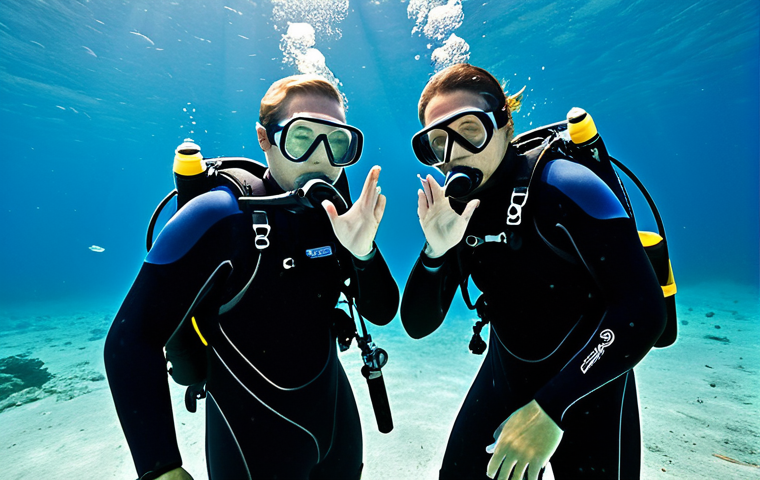
Once your weighting is dialed in, breathing becomes your primary tool for fine-tuning your buoyancy underwater. Small, controlled breaths can make a big difference.
Inhale slightly to rise a few inches, exhale to sink. Avoid large, rapid breaths, as they can cause jerky movements and disrupt your stability. Practice slow, deep diaphragmatic breathing – the kind you use in yoga – to maximize your control.
Visualize your lungs as a balloon that you can inflate and deflate to adjust your position in the water column. This technique is particularly useful when photographing delicate marine life or navigating tight spaces.
The Role of Trim
Trim refers to your body’s orientation in the water. Proper trim means being horizontal, or streamlined, allowing you to move through the water with minimal resistance.
This not only conserves energy but also reduces the risk of stirring up sediment or damaging coral. To achieve good trim, distribute your weight evenly along your body.
Use ankle weights to counteract the tendency of your legs to float, or adjust the position of your tank in its harness. Experiment with different configurations until you find what works best for you.
Understanding Dive Planning: Minimizing Risks and Maximizing Enjoyment
Dive planning is not just a pre-dive ritual; it’s a critical process that can significantly impact your safety and enjoyment. Over the years, I’ve seen dives go wrong simply because of inadequate planning.
It’s about more than just picking a site and jumping in; it’s about understanding the conditions, assessing your limitations, and preparing for potential problems.
It’s about respecting the ocean and acknowledging that you are entering an environment that demands caution and forethought. I will always remember a dive trip to Cozumel where we had planned to dive at Palacar Reef.
However, due to unexpected current, we made a quick decision and changed our dive site. The current was too strong. It’s better to be safe than sorry.
Analyzing Environmental Conditions
Before any dive, thoroughly research the environmental conditions. Check the weather forecast for wind, waves, and visibility. Pay attention to tide charts, as they can significantly affect currents and depths.
Talk to local dive operators or experienced divers to get firsthand information about the site. Look for any potential hazards, such as strong currents, surge, or entanglement risks.
Consider the water temperature and choose appropriate thermal protection. Being aware of these factors will allow you to make informed decisions and adjust your plan accordingly.
Setting Realistic Objectives
Be honest with yourself about your skill level and limitations. Don’t attempt dives that are beyond your capabilities. Start with easier dives and gradually progress to more challenging ones as you gain experience.
Set realistic objectives for each dive, such as a specific depth, duration, or task (e.g., photography, exploration). Avoid pushing yourself too hard or succumbing to peer pressure.
Remember, it’s always better to abort a dive than to put yourself in danger.
Emergency Preparedness
No matter how well you plan, unexpected events can happen. That’s why it’s crucial to have a contingency plan. Carry a surface marker buoy (SMB) and know how to deploy it in case of an emergency.
Have a backup air supply, such as a pony bottle or a Spare Air. Practice emergency procedures, such as out-of-air drills and controlled ascents. Ensure that you and your buddy are familiar with each other’s equipment and signals.
In case of an emergency, remain calm, assess the situation, and follow your plan.
The Art of Underwater Communication: Mastering Hand Signals and Non-Verbal Cues
Clear and effective communication is essential for safe and enjoyable diving. Underwater, you can’t rely on spoken words, so you need to master hand signals and non-verbal cues.
It’s more than just knowing the basic signs; it’s about being able to convey complex information and understand subtle nuances in your buddy’s behavior.
I remember a dive in the Bahamas where my buddy started acting strangely, repeatedly pointing at his ear. At first, I didn’t understand, but then I noticed his regulator was leaking, and he was experiencing discomfort.
I quickly signaled him to ascend, and we were able to resolve the issue before it became a serious problem. It was a testament to the power of effective underwater communication.
Essential Hand Signals for Divers
There are certain hand signals that every diver should know. These include signals for indicating air pressure, direction, depth, and potential hazards.
Make sure you and your buddy review these signals before each dive. Practice using them in different situations to ensure that you can communicate clearly and quickly.
I recommend creating flashcards with the different hand signals and quizzing each other regularly.
Advanced Communication Techniques
Beyond the basic hand signals, there are more advanced techniques that can enhance your underwater communication. These include using a slate or a wet notepad to write messages, tapping on your tank to attract attention, and using a dive light to signal in low-visibility conditions.
Learn these techniques and practice them with your buddy to expand your communication repertoire.
Reading Your Buddy’s Body Language
Effective communication is not just about sending signals; it’s also about receiving them. Pay close attention to your buddy’s body language and behavior.
Look for signs of discomfort, anxiety, or fatigue. Notice if they are breathing rapidly, fidgeting, or avoiding eye contact. These cues can indicate that something is wrong, even if your buddy doesn’t explicitly signal it.
By being observant and empathetic, you can anticipate problems and provide assistance before they escalate.
Environmental Awareness: Protecting Our Underwater Ecosystems
As divers, we have a responsibility to protect the underwater environment. We are privileged to witness the beauty and fragility of these ecosystems, and we must do everything we can to minimize our impact.
It’s not just about avoiding damage to coral or harassing marine life; it’s about adopting a mindful approach to diving that considers the long-term health of the ocean.
I’ve seen too many divers carelessly kicking up sediment, grabbing onto coral, or leaving trash behind. These actions may seem insignificant, but they can have a devastating impact on the delicate balance of the marine environment.
Minimizing Physical Impact
Avoid touching or grabbing onto coral, rocks, or other underwater structures. Maintain neutral buoyancy to prevent accidentally bumping into things. Be careful not to stir up sediment, as it can smother coral and reduce visibility.
Choose dive sites that are appropriate for your skill level to minimize the risk of damaging the environment. Remember, “Take only pictures, leave only bubbles.”
Responsible Waste Management
Never leave trash behind on a dive site. Collect any debris you find and dispose of it properly on shore. Avoid using single-use plastics and opt for reusable alternatives.
Support dive operators and organizations that are committed to environmental conservation. Educate other divers about the importance of responsible waste management.
Supporting Conservation Efforts
Get involved in conservation efforts to protect the underwater environment. Participate in coral reef restoration projects, beach cleanups, or marine wildlife surveys.
Donate to organizations that are working to protect endangered species and habitats. Advocate for policies that promote sustainable tourism and responsible marine management.
By working together, we can make a difference in preserving our oceans for future generations.
Advanced Diving Techniques: Expanding Your Skills and Exploring New Depths
Once you’ve mastered the basics of diving, you can start exploring more advanced techniques and pushing your boundaries. This could involve diving deeper, exploring wrecks, navigating in challenging conditions, or learning specialized skills such as underwater photography or videography.
It’s important to approach advanced diving with caution and to seek proper training and guidance. I’ve seen too many divers attempt advanced dives without the necessary skills or experience, and the results can be disastrous.
Deep Diving
Deep diving involves diving beyond recreational limits, typically below 100 feet (30 meters). This requires specialized training and equipment, as well as a thorough understanding of the physiological effects of nitrogen narcosis and oxygen toxicity.
Deep diving can be exhilarating, but it’s also inherently dangerous. Make sure you are properly certified and experienced before attempting deep dives.
Wreck Diving
Wreck diving offers a unique opportunity to explore the remains of ships, planes, and other submerged structures. However, it also presents a number of challenges, such as limited visibility, entanglement risks, and structural instability.
Wreck diving requires specialized training and equipment, as well as a thorough understanding of the history and layout of the wreck.
Night Diving
Night diving provides a different perspective on the underwater world, revealing nocturnal creatures and behaviors that are not visible during the day.
However, it also requires careful planning and preparation, as visibility is limited and navigation can be more difficult. Night diving requires specialized equipment, such as a dive light and a buddy light.
| Skill | Description | Importance | Training Required |
|---|---|---|---|
| Buoyancy Control | Maintaining neutral buoyancy to glide effortlessly | Critical for safety and environmental protection | Open Water Certification |
| Dive Planning | Assessing conditions, setting objectives, and preparing for emergencies | Essential for minimizing risks and maximizing enjoyment | Advanced Open Water Certification |
| Underwater Communication | Mastering hand signals and non-verbal cues | Crucial for safe and effective teamwork | Open Water Certification |
| Environmental Awareness | Protecting underwater ecosystems by minimizing impact | Vital for preserving our oceans for future generations | All levels of diving |
| Deep Diving | Diving beyond recreational limits (below 100 feet) | Offers new exploration opportunities but requires specialized training | Deep Diver Certification |
In Conclusion
Diving offers unparalleled adventures, but safety and respect for the marine environment should always be paramount. Remember, every dive is a learning opportunity. By continuously honing your skills and knowledge, you’ll not only become a more confident diver but also a better steward of the ocean. So gear up, dive in, and let the underwater world amaze you!
Good to Know Information
1. Check local dive shops for group dives and guided tours, a great way to explore safely and meet fellow divers.
2. Consider purchasing dive insurance. DAN (Divers Alert Network) is a popular choice, offering coverage for diving-related accidents.
3. If you’re diving in tropical areas, be aware of potential sunburn. Use reef-safe sunscreen and wear protective clothing.
4. Many dive sites charge a small fee for entry, especially in marine parks. Factor this into your dive budget.
5. Always let someone know your dive plan, including the location, entry time, and expected return time. This is a crucial safety measure.
Key Takeaways
Prioritize buoyancy control for effortless diving.
Plan your dives meticulously, considering all environmental factors.
Master underwater communication for safe teamwork.
Practice environmental awareness to protect marine ecosystems.
Seek proper training before attempting advanced diving techniques.
Frequently Asked Questions (FAQ) 📖
Q: What’s the biggest challenge new divers face, and how do you help them overcome it?
A: Honestly, it’s usually just plain old fear. Taking that first breath underwater is completely unnatural, and I’ve seen people panic. My approach is to be super patient and build trust.
I start in shallow water, making sure they’re comfortable with the equipment. We practice breathing techniques, and I constantly reassure them. I often tell them about my own first dive – how I almost bolted for the surface!
Sharing that vulnerability helps them realize it’s okay to be nervous, and that I’m there to support them every step of the way. The biggest thing is just staying calm and positive, and celebrating even the smallest wins.
Q: You mentioned eco-conscious diving. What does that look like in practice, and why is it so important?
A: Eco-conscious diving is all about minimizing our impact on the marine environment. Think of it as being a good houseguest in the ocean. We teach divers to be neutrally buoyant so they don’t accidentally kick up sediment or damage coral.
We also stress the importance of not touching or disturbing marine life – no grabbing starfish for photos! A big part of it is also about what we use.
I encourage my students to use reef-safe sunscreen and to avoid single-use plastics. Why is it important? Well, I’ve seen firsthand how pollution and damage to reefs can decimate ecosystems.
We need to protect these incredible places so future generations can enjoy them too. Plus, a healthy ocean is a happy ocean, and makes for much better diving experiences!
Q: AI-powered dive computers sound like something out of a sci-fi movie!
A: re they really practical for the average diver, and what are the real benefits? A3: I know, it sounds super futuristic, right? But honestly, the tech is becoming more accessible and user-friendly.
Think of it like having a super-smart co-pilot underwater. These AI computers can analyze a ton of data – depth, pressure, gas consumption – in real-time to provide more accurate dive profiles and safety alerts.
They can even learn your breathing patterns and adjust their calculations accordingly! For the average diver, this means increased safety and reduced risk of decompression sickness.
Some models can even predict currents and visibility based on real-time data, which is a game-changer for planning dives. I’ve tried one myself, and the peace of mind knowing it was constantly monitoring my vitals and the environment was incredible.
While they’re still pricier than standard computers, I see them becoming more commonplace in the coming years, especially for more challenging dives or for divers with specific health concerns.
It is, after all, about getting the most out of our dives, and returning home safe.
📚 References
Wikipedia Encyclopedia
구글 검색 결과
구글 검색 결과
구글 검색 결과
구글 검색 결과
구글 검색 결과