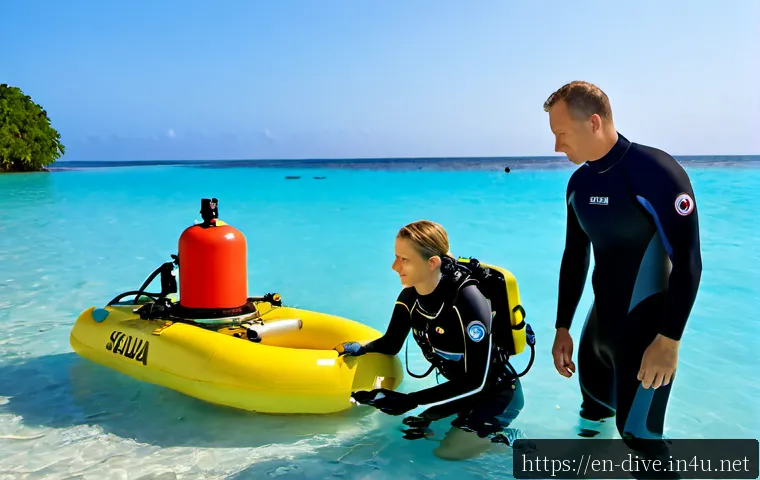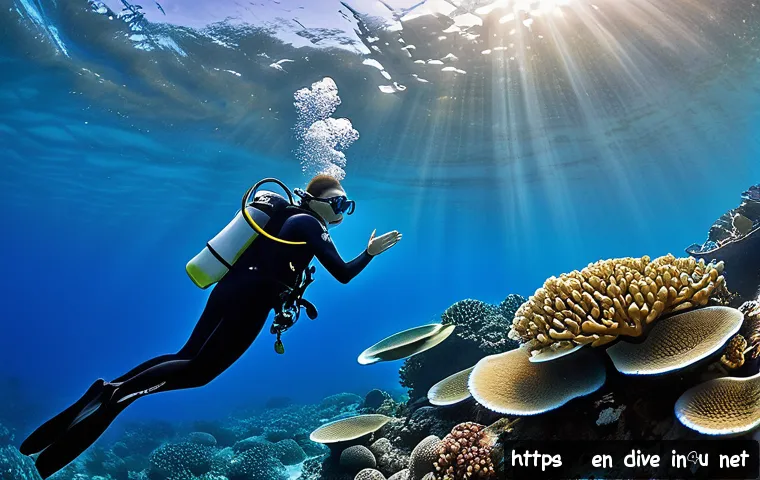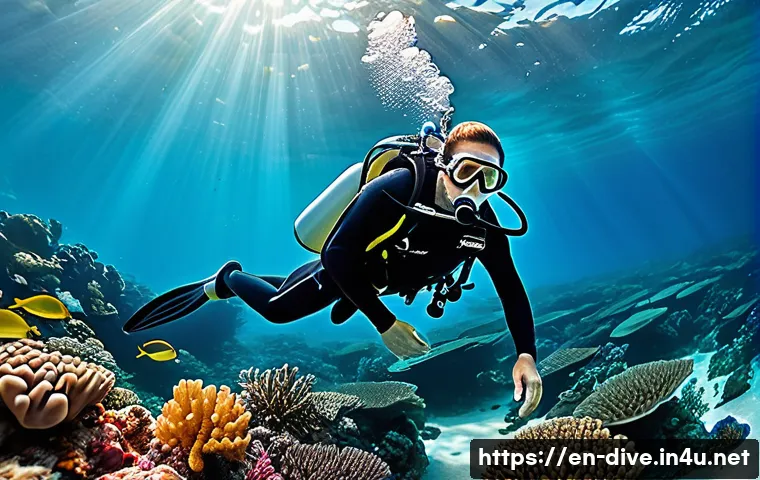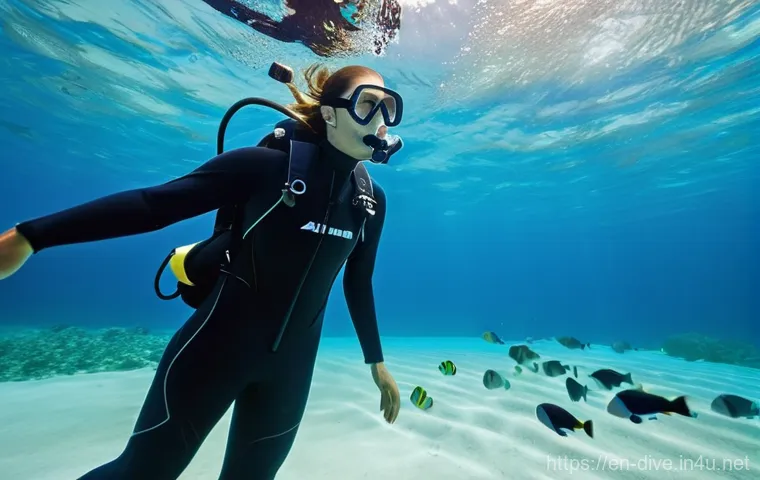
Hey there, fellow ocean lovers and aspiring dive pros! I know many of you dream of turning your passion for the underwater world into a thriving career, teaching others the magic of breathing beneath the waves.
But let’s be real, the dive industry, like many others, is constantly evolving, and simply being a fantastic instructor isn’t always enough to fill your courses these days.
I’ve personally seen instructors, myself included, navigate the shifts in how people discover and book their dive adventures. From the rise of social media to the ever-increasing demand for unique, eco-conscious experiences, the game has truly changed.
In today’s digital landscape, a strong online presence isn’t just a bonus; it’s absolutely essential for reaching potential students who are searching for their next underwater escapade.
We’re talking about everything from eye-catching Instagram reels that showcase the beauty of the reefs to a user-friendly website that makes booking a breeze.
I’ve learned firsthand that building genuine connections and trust online is just as important as the rapport you build face-to-face during a dive. With sustainability becoming a huge trend, and adventurers seeking out those hidden, remote dive spots, your marketing strategy needs to be as dynamic as the ocean itself.
I’ve also noticed a real shift where divers are looking for instructors who offer more than just certification; they want an experience, a community, and a deeper connection to marine conservation.
It’s about storytelling, showing up consistently, and demonstrating your expertise and passion in a way that truly resonates. Forget those old-school methods; we need to embrace innovative approaches that grab attention and turn casual browsers into committed dive students.
Ready to revolutionize your approach and fill your calendar with eager new divers? We’re going to dive deep into cutting-edge marketing strategies tailored specifically for diving instructors, ensuring you not only survive but thrive in this exciting industry.
Let’s get into the nitty-gritty and figure out how to make your dive business truly shine!
Crafting Your Digital Story: Beyond the Certification Card
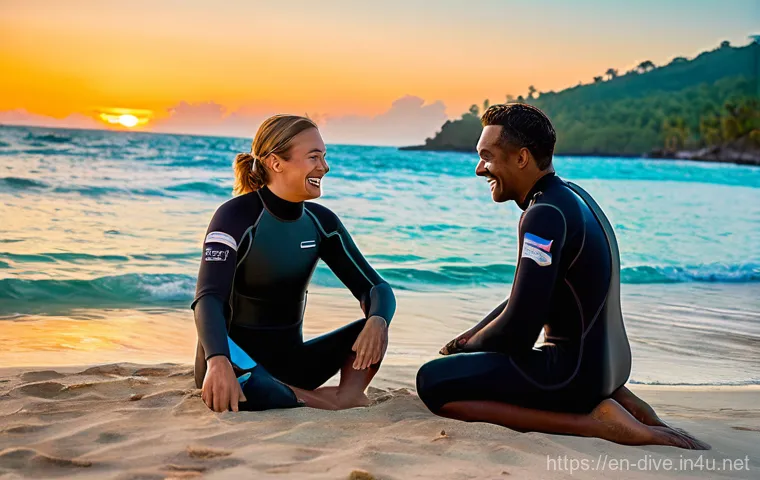
You know, for years, I thought just being a great diver and a patient instructor was enough. My cert card spoke for itself, right? Well, let’s just say the internet has a different idea. In today’s bustling online world, potential students aren’t just looking for someone who can teach them to breathe underwater; they’re looking for a connection, a mentor, an experience. They want to know *you*. I’ve found that truly opening up and sharing my unique journey – the struggles, the triumphs, the sheer awe of those first few breaths below the surface – has been a game-changer. It’s about more than just listing your certifications; it’s about weaving a narrative that captures hearts and minds, making your brand instantly recognizable and relatable. Think about what makes your teaching style distinct, or that one dive trip that profoundly changed your perspective. Those are the nuggets of gold you need to share.
Unveiling Your Unique Instructor Persona
What makes you, *you*? Is it your calm demeanor in challenging situations, your infectious enthusiasm for marine life, or your knack for making complex skills seem simple? For me, it was highlighting my passion for cold-water diving, which isn’t for everyone, but it attracted a specific group of adventurers. Don’t be afraid to lean into your quirks and specialties. This isn’t about fitting into a mold; it’s about breaking free from it. Share those moments of genuine excitement when a student finally masters buoyancy or spots their first sea turtle. These authentic glimpses into your world build trust and create a magnetic pull for future students. They want to see the person behind the professional, someone who genuinely loves what they do. I often share stories about my own learning curve, those embarrassing moments, because it shows I’m human and approachable.
Building Trust Through Transparency and Authenticity
In a world full of polished, often artificial online presences, authenticity is your superpower. I’ve learned that being transparent about my experiences, good and bad, has fostered a deeper sense of trust with my audience. When I talk about a challenging dive or a lesson I learned the hard way, it resonates. People see that you’re not just selling a course; you’re sharing a lifestyle, a passion. This means showing behind-the-scenes glimpses of your dive trips, your gear maintenance, or even just a quick video of you talking about your favorite dive spot. It’s about building a reputation not just as an expert, but as a genuine, reliable human being who truly cares about the underwater world and their students’ journey within it. I’ve personally found that being upfront about potential challenges, like ear equalization issues, and how I help students overcome them, makes people feel safer and more confident choosing me.
Building Your Online Tribe: Community Over Courses
When I first started, my marketing was all about getting students into courses. “Sign up now!” “Limited spots!” But I quickly realized that people weren’t just looking for a transaction; they were searching for belonging. They wanted a community. It hit me like a cold splash to the face: fostering a vibrant online community creates a network effect far more powerful than any individual ad campaign. Think of it as cultivating an underwater garden, rather than just selling seeds. Your existing students, thrilled with their experiences, become your most enthusiastic advocates, sharing their dive stories and recommending you to their friends. This isn’t just about passive engagement; it’s about actively creating spaces where divers can connect, share, and continue their learning journey long after their certification dives. It builds a sense of loyalty and a continuous stream of referrals that feels incredibly natural and authentic.
Engaging on Social Media: Beyond the Pretty Pictures
Social media is more than just a digital photo album; it’s a bustling town square. I’ve found that regularly asking questions, running polls about dive destinations or marine life, and even hosting live Q&A sessions about dive gear or safety tips really gets people talking. It’s not just about posting your latest dive selfie; it’s about sparking conversations. Respond to every comment, every message, every share. Make people feel seen and valued. Instagram Stories and Reels, for instance, are fantastic for quick, engaging snippets – maybe a ‘day in the life’ of a dive instructor, or a quick tip on finning techniques. Remember, engagement is a two-way street. The more you interact with your audience, the more invested they become in your journey and, by extension, in what you offer.
Creating Exclusive Spaces for Connection
While public social media is great for reach, I’ve also found immense value in creating more intimate, exclusive spaces for my dive community. This could be a private Facebook group, a Discord server, or even a dedicated forum on your website. Here, people feel comfortable asking more detailed questions, sharing their personal dive photos without fear of judgment, and planning future dive trips together. I’ve used these groups to organize local beach cleanups, host online workshops about specific dive topics, or even just share exclusive sneak peeks of upcoming dive expeditions. It transforms casual followers into dedicated members of your “dive tribe,” fostering deep loyalty and turning them into raving fans who will naturally send new students your way because they genuinely believe in what you do.
Mastering the Visual Game: Show, Don’t Just Tell
Honestly, when I first started, I relied mostly on text descriptions and a few decent photos. I mean, how much could a picture really convey? Turns out, *a lot*. In this visual-first world, if you’re not showcasing the sheer beauty and excitement of the underwater realm through stunning visuals, you’re missing out on a huge opportunity. I’ve personally invested in better camera gear and spent countless hours learning how to edit captivating videos – and it has paid off immensely. People don’t just want to read about a vibrant coral reef; they want to *see* it. They want to feel like they’re right there with you, experiencing that breathtaking moment. High-quality photos and videos are not just a nice-to-have; they are absolutely essential for drawing people into your world and making them dream of joining you underwater. It’s about creating an emotional connection before they even send that first inquiry.
Capturing the Underwater Magic: Photo and Video Excellence
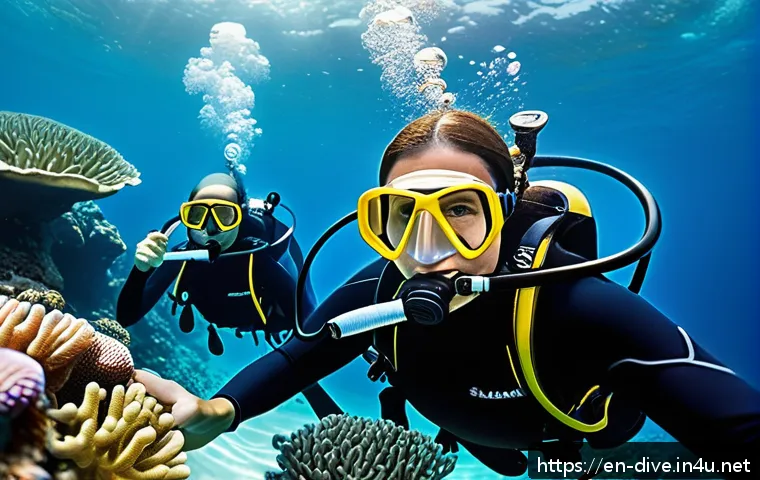
This is where your passion truly shines through. Don’t just point and shoot; tell a story with every frame. Focus on the vibrant colors of marine life, the graceful movements of divers, and the serene beauty of the underwater landscape. Short, dynamic videos, especially on platforms like Instagram Reels and TikTok, are fantastic for quick engagement. Think about showcasing the joy on a student’s face after their first open water dive, or the fascinating behavior of a clownfish in its anemone home. I also make sure to capture some drone footage when possible, to give that incredible perspective of the dive boat cruising over crystal-clear waters. These visuals aren’t just pretty; they are powerful marketing tools that evoke emotion and inspire action. I personally dedicate time after each dive trip to sift through footage and find those ‘wow’ moments.
Leveraging Visual Platforms for Maximum Impact
Different platforms serve different visual purposes, and I’ve learned to tailor my content for each. Instagram is perfect for stunning photos and short, impactful videos. YouTube is your go-to for longer-form content like dive vlogs, gear reviews, or detailed educational segments. Pinterest can be surprisingly effective for visually organizing dive trip ideas or equipment guides. It’s about creating a consistent visual identity across all platforms, so your brand is instantly recognizable. Below is a quick guide I put together that might help you choose where to focus your visual efforts:
| Platform | Best For | Content Style | Key Benefit |
|---|---|---|---|
| Stunning photos, short videos (Reels) | Aesthetic, inspiring, quick snippets | Visual storytelling, broad reach | |
| YouTube | Dive vlogs, tutorials, gear reviews | In-depth, educational, entertaining | Authority building, longer engagement |
| TikTok | Short, trending, humorous clips | Viral potential, high engagement | Reach younger audience, quick brand recognition |
| Infographics, mood boards, trip planning | Organized, discovery-focused | Lead generation, niche targeting |
Diving Deep into SEO: Getting Found by Future Divers
Okay, let’s talk about something that sounds a bit dry but is absolutely critical: SEO. Search Engine Optimization. When I first heard about it, I thought it was some kind of arcane magic. But honestly, it’s just about helping Google understand what you do so it can show your amazing dive business to the right people. Imagine someone typing “learn to dive [your city]” or “best dive instructor [your region]” into Google. Do you show up? If not, you’re practically invisible! I’ve spent countless hours tweaking my website and blog content, trying to figure out what terms people actually use. It’s not just about throwing keywords around; it’s about genuinely answering the questions potential students have, showing Google that you’re a reliable and knowledgeable resource. This means creating content that is not only informative but also genuinely helpful, making sure your website is easy for both humans and search engines to navigate. It’s an ongoing process, but the payoff in terms of organic student leads is incredible.
Unearthing the Right Keywords for Your Niche
This is where a little detective work comes in. What are potential students actually searching for? Beyond obvious terms like “PADI instructor” or “scuba lessons,” think about specific local terms like “diving in Key Largo” or “wreck diving courses Florida.” Consider long-tail keywords, too, such as “what equipment do I need for my first dive.” Tools exist to help with keyword research, but often, just thinking like a beginner diver and brainstorming their questions can get you far. I keep a running list of questions I get asked frequently and turn those into blog post topics. Each piece of content should naturally incorporate these keywords, but never force them. The goal is to provide valuable information that genuinely helps someone looking for dive education or experiences.
Optimizing Your Website and Local Presence
Your website is your digital storefront, and it needs to be welcoming. Make sure it’s fast, mobile-friendly, and easy to navigate. Clear calls to action (“Book Your Course,” “Contact Us”) are essential. For local SEO, ensure your Google Business Profile is completely filled out with accurate information: your address, phone number, hours, and plenty of high-quality photos. Encourage satisfied students to leave reviews on Google, as these significantly boost your local search ranking. I’ve personally seen a huge jump in inquiries after dedicating time to getting more Google reviews. Also, consider creating dedicated pages for each service you offer (e.g., “Open Water Certification,” “Advanced Diver Course”) with unique, keyword-rich content. The more comprehensive and user-friendly your online presence, the more Google will love you.
Monetizing Your Passion: Smart Strategies for Steady Income
Let’s be honest, we all love diving, but it’s also a business, right? For a long time, I focused solely on course fees. That was it. But relying on a single revenue stream can be really tough, especially during off-seasons or when unexpected challenges arise. I’ve realized that a diversified income strategy isn’t just about making more money; it’s about creating resilience and sustainability for your dive business. This involves thinking creatively about how you can leverage your expertise and passion beyond just certifying new divers. It’s about building an ecosystem around your offerings that keeps students engaged and spending, even when they’re not actively taking a course. This approach not only stabilizes your income but also enhances the overall value and stickiness of your brand, making you a go-to resource for everything diving-related. I learned this the hard way during a particularly slow winter.
Beyond Courses: Exploring Diverse Revenue Streams
Think beyond just the traditional certifications. What other valuable services or products can you offer? Maybe you can host online workshops on advanced dive theory, marine conservation, or underwater photography editing. Consider selling branded merchandise like t-shirts, logbooks, or even specialty dive flags. Affiliate marketing is another fantastic option – recommending gear you genuinely love and trust, and earning a commission when your audience buys through your links. I’ve found success by curating “my favorite gear” lists on my blog with affiliate links, as people trust my recommendations. You could also organize specialized dive trips to unique, remote locations, charging a premium for a curated, intimate experience. The key is to think about what value you can provide that aligns with your expertise and your audience’s needs.
Optimizing for AdSense and Engaged Audiences
If you have a blog or website with decent traffic, AdSense can be a passive income stream, but it’s not just about throwing ads up. You need to create content that encourages longer dwell times and higher engagement. Think about those comprehensive guides or in-depth reviews that keep readers on your page for minutes, not seconds. The longer they stay, the more likely they are to see and click on relevant ads, which directly impacts your AdSense revenue (CPC and RPM). Structure your posts with clear headings and engaging language to make them easy to read. I always try to include actionable tips or compelling stories that keep readers hooked. A well-placed ad in an engaging article feels less intrusive and more like a natural part of the content experience, contributing positively to your overall income while providing valuable information to your audience.
The Power of Partnerships: Expanding Your Underwater Reach
Early in my career, I was a bit of a lone wolf, thinking I had to do everything myself. But I quickly realized that the dive community is vast and interconnected, and there’s immense power in collaboration. Partnering with other businesses, organizations, or even fellow instructors isn’t just about sharing the workload; it’s about amplifying your reach, tapping into new audiences, and offering a more comprehensive experience to your students. It’s like finding the perfect dive buddy – you’re stronger and safer together. I’ve seen firsthand how a well-chosen partnership can open doors to opportunities I never would have found on my own, bringing in a fresh wave of potential students and enriching my own professional journey. Don’t be afraid to reach out and explore who you can connect with in the industry.
Collaborating with Resorts, Shops, and Brands
Think about who else serves the dive community. Local dive shops are natural allies; you can cross-promote services or even co-host events. Resorts in popular dive destinations are always looking for reliable instructors to recommend or partner with for packages. Equipment brands might be interested in sponsoring your content or offering you gear in exchange for reviews. I’ve had success by building relationships with local resorts, leading to exclusive booking opportunities for my students. When you partner with reputable businesses, it lends credibility to your own brand and exposes you to their existing customer base. These aren’t just transactional relationships; they’re built on mutual respect and a shared passion for the underwater world, creating a stronger ecosystem for everyone involved.
Joint Ventures and Cross-Promotion with Fellow Professionals
Don’t view other dive instructors or dive-related content creators as competition; view them as potential collaborators. Perhaps you specialize in wreck diving, and another instructor excels at underwater photography. Why not co-host a specialty course that combines both? Or team up with a marine biologist to offer eco-conscious dive trips? Cross-promotion on social media can introduce both of your audiences to new expertise and experiences. I’ve personally joined forces with a videographer to offer exclusive ‘Dive and Film’ workshops, which attracted a completely different segment of divers. These joint ventures can create unique offerings that stand out in a crowded market, providing exceptional value to students and expanding your professional network in exciting ways. It’s a win-win situation where everyone benefits from shared knowledge and resources.
Embracing Eco-Conscious Diving: A Niche That Nurtures
Back when I started, the focus was almost entirely on skills and getting certified. But as I’ve spent more and more time underwater, I’ve seen the incredible beauty of our oceans, and sadly, the very real threats they face. What I’ve also noticed is a massive shift in what divers are looking for. People aren’t just seeking adventure anymore; they want meaning. They want to be part of something bigger. Embracing eco-conscious diving and marine conservation isn’t just good for the planet; it’s a powerful and increasingly sought-after niche for your dive business. It shows that you care, that your passion extends beyond just teaching, and that you’re committed to protecting the very environment that provides your livelihood and our shared joy. This resonates deeply with a growing segment of environmentally aware individuals who are actively seeking out businesses that align with their values.
Integrating Conservation into Your Curriculum and Brand
Don’t just talk about conservation; integrate it into everything you do. Start by making sure your teaching practices are environmentally sound – no touching coral, proper buoyancy control to avoid damaging the reef, responsible waste management on dive boats. Beyond that, consider weaving marine conservation topics into your courses. Offer specialty courses like ‘Coral Reef Conservation’ or ‘Fish Identification.’ Organize regular beach or underwater cleanups and invite your students to participate. When your brand consistently reflects a commitment to protecting the oceans, you attract divers who share that passion. I’ve found that showcasing my own participation in marine research or conservation efforts through my blog and social media has really connected with potential students who are looking for that deeper purpose in their diving.
Attracting the Environmentally Aware Diver
The environmentally aware diver is a fantastic audience to target because they’re often highly engaged, loyal, and willing to invest in experiences that align with their values. Highlight your eco-friendly practices on your website and social media. Share stories about local conservation efforts you’re involved in, or tips for divers to minimize their impact. Partner with marine conservation organizations or support local initiatives. For instance, I started donating a small portion of each course fee to a local reef restoration project, and I prominently feature this on my website. This isn’t just about good PR; it’s about genuine commitment. When prospective students see that you’re walking the talk, they’ll be much more likely to choose you over a competitor who doesn’t emphasize these crucial values. It’s about building a reputation as a responsible and caring steward of the oceans.
Wrapping Things Up
So, there you have it – my deepest insights into navigating the vast ocean of online influence as a dive instructor. It’s been an incredible journey learning how to translate my passion for the underwater world into a thriving digital presence, and honestly, it’s still an ongoing adventure! Remember, it’s not just about showcasing your skills; it’s about sharing your heart, building genuine connections, and truly inviting people into your unique world. The most rewarding part has been seeing how these strategies don’t just bring in new students, but also foster a truly engaged community that shares my love for diving and ocean conservation. It takes patience, persistence, and a willingness to try new things, but the reward of connecting with fellow ocean enthusiasts from all corners of the globe is absolutely priceless.
Handy Tips for Your Digital Dive
1. Authenticity is your anchor. Always share your true experiences and personality; people connect with genuine passion, not just polished perfection. This creates a strong bond with your audience and builds lasting trust.
2. Community isn’t just a buzzword; it’s your lifeline. Actively engage with your audience, create spaces for interaction, and foster a sense of belonging. Happy students become your most effective brand ambassadors.
3. Visuals speak louder than words in the underwater realm. Invest in high-quality photos and videos that truly capture the magic of diving. This is crucial for drawing people in and evoking emotion.
4. SEO isn’t magic; it’s smart strategy. Understand what your potential students are searching for and optimize your content accordingly. Being discoverable is the first step to building your tribe.
5. Diversify your revenue streams to create a sustainable business. Don’t put all your fins in one basket; explore affiliate marketing, merchandise, specialized workshops, and unique dive trips to stabilize your income.
The Dive Master’s Digital Blueprint
Ultimately, building a powerful online presence as a dive instructor comes down to a few core pillars. First, truly unveil your unique instructor persona, letting your genuine enthusiasm and expertise shine through in every piece of content you create. Second, actively cultivate a vibrant online community, turning casual followers into dedicated dive buddies who share your passion. Third, master the visual game, knowing that stunning photos and videos are your most potent tools for showing, not just telling, the wonders of the deep. Fourth, dive deep into SEO to ensure your invaluable content is easily found by those eager to explore the underwater world. And finally, strategically monetize your passion through diverse revenue streams, creating a resilient business model that supports your love for diving for years to come. By consistently applying these principles, you’re not just building a brand; you’re charting a course for lasting impact in the dive community.
Frequently Asked Questions (FAQ) 📖
Q: I’m a fantastic dive instructor in the water, but when it comes to the digital world – social media, websites, all that jazz – I feel completely lost. Where do I even begin to build an online presence that genuinely attracts students and showcases my passion?
A: Oh, trust me, I completely get that feeling! It’s like being a fish out of water, right? Many of us, myself included, felt the exact same way stepping into the online marketing currents.
The best place to start, in my personal experience, isn’t by trying to be everywhere at once. Pick one or two platforms where your ideal students hang out – Instagram and maybe a simple, mobile-friendly website are usually golden for dive pros.
Focus on creating authentic, visually stunning content. Think behind-the-scenes glimpses of your dives, heartwarming student testimonials, or even quick tips on marine life identification.
It’s about sharing your story and the experience you offer, not just a price list. I’ve found that showing genuine moments, even if they’re not perfectly polished, builds so much more trust and connection than anything else.
Consistency is key, but don’t stress over perfection. Just start sharing your underwater world, one post at a time, and watch how it begins to resonate with future divers.
Q: Everyone talks about “sustainability” and “eco-diving” these days, but honestly, how do I integrate that into my marketing in a way that feels truly authentic and attracts conscientious divers, instead of just sounding like another buzzword?
A: That’s such an important question, and I’ve seen firsthand how powerful it can be when done right! Divers today aren’t just looking for a certification; they’re looking for purpose and a connection to the ocean’s health.
To make it authentic, don’t just talk about sustainability – show it. In my own journey, I started sharing stories about the local conservation projects I was involved in, like reef cleanups or citizen science initiatives.
I’d post photos and videos of us practicing responsible diving habits, like perfect buoyancy or avoiding contact with coral. You can also highlight any partnerships you have with eco-friendly dive resorts or local marine biologists.
It’s about weaving your commitment to marine conservation into the very fabric of your brand. When I started genuinely sharing these efforts, the shift in the kind of students I attracted was incredible – they were more engaged, more appreciative, and often became repeat customers because they felt they were part of something bigger.
It’s not just marketing; it’s being true to yourself and the ocean.
Q: I’m getting some likes and comments on my posts, which is great, but how do I actually convert those ‘likes’ and ‘follows’ into booked courses and paying students? What’s the secret to turning online engagement into real-world business?
A: Ah, the million-dollar question – turning digital love into actual bookings! This is where the magic really happens, and it’s a process I’ve refined over time.
First, make sure your “call to action” is crystal clear and super easy. Don’t just say “DM for info”; direct them to a specific booking link on your website or a contact form.
I’ve found that personalized follow-ups go a long way – if someone comments with a question, reply thoughtfully and then, if appropriate, gently suggest checking out a specific course page.
Another game-changer for me was creating exclusive offers or early bird discounts just for my online community. It makes them feel special and gives them a clear incentive to take the leap.
Most importantly, build that community! Engage with their comments, ask them questions, and make them feel like part of your dive family before they even book.
When they feel connected and trust you, the booking decision becomes a natural next step, not a hard sell. It’s about nurturing those relationships until they’re ready to take the plunge with you.