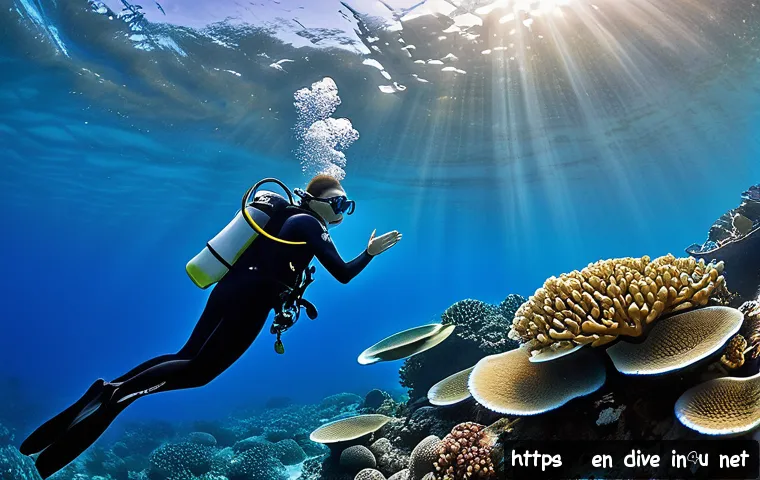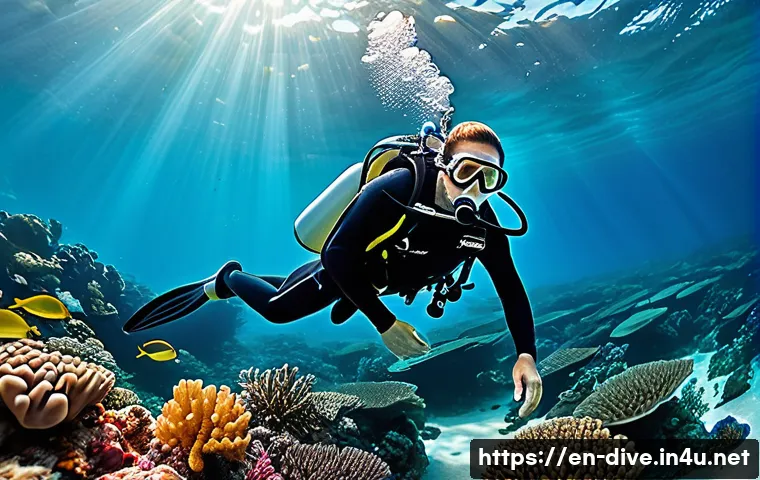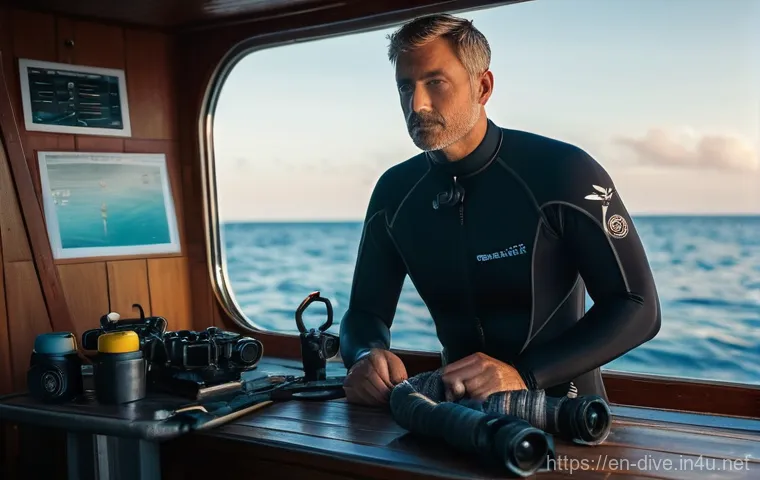
Hey there, fellow ocean lover! You know, we often see those breathtaking underwater photos on Instagram, picturing the perfect dive, but have you ever stopped to think about the incredible people making those experiences happen?
I’m talking about our dedicated diving instructors, the unsung heroes of the deep. Their world isn’t just about blowing bubbles; it’s a dynamic mix of passion, precision, and sometimes, unexpected challenges.
From navigating tricky student situations to adapting to new dive tech and ever-changing marine environments, their daily lives are far more complex and rewarding than meets the eye.
I’ve spent years observing and learning from these incredible professionals, seeing firsthand how they blend their expertise with genuine care. Understanding their practical, real-world experiences is key, especially as our oceans face new conservation efforts and dive travel trends continue to evolve.
It’s a journey filled with unforgettable moments and crucial lessons. Let’s explore this in detail, so you can truly appreciate the incredible depth of their work.
The Unseen Depths of Daily Prep: Beyond the Briefing
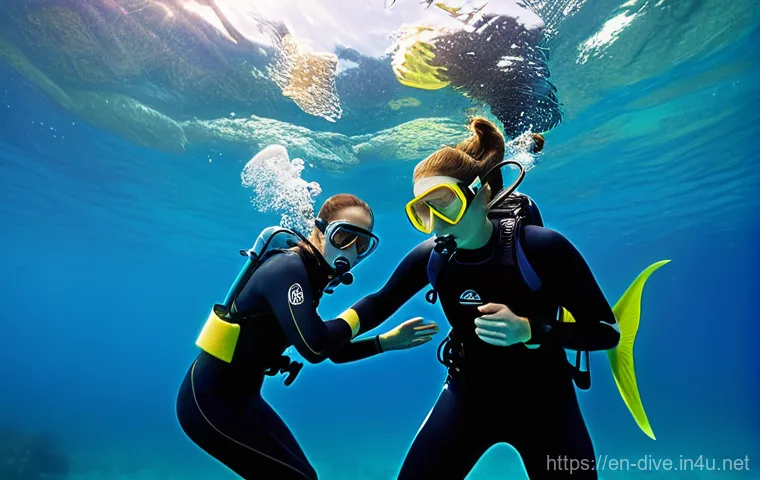
You know, when most people think about a diving instructor’s day, they often picture the exciting parts: leading a group through a vibrant coral reef or witnessing a student’s first breath underwater. And don’t get me wrong, those moments are pure magic! But what many don’t see, what truly makes those magical moments possible, is the extensive, often meticulous preparation that goes into every single dive. From the moment the sun peeks over the horizon to when the boat pulls out, an instructor’s mind is a whirlwind of checklists, contingency plans, and a deep understanding of human nature. I’ve personally watched instructors, coffee in hand, meticulously review dive plans, sometimes for hours, long before any student has even arrived. It’s not just about knowing the dive site; it’s about anticipating every variable, from the ever-changing weather patterns to the specific needs of each individual diver. This behind-the-scenes work is the bedrock of safety and enjoyment, and honestly, it’s where true expertise shines brightest. It’s a level of dedication that really makes you appreciate just how much goes into keeping everyone safe and making sure they have an unforgettable experience.
Gear Check and Maintenance: A Lifeline
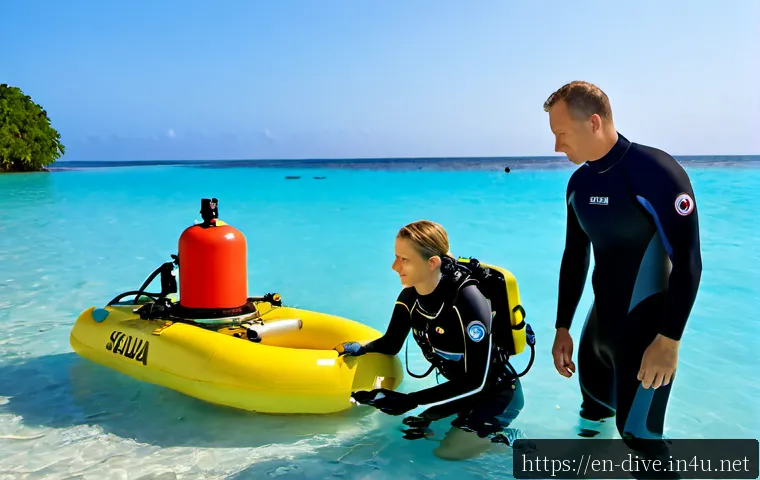
Before any diver even dips a toe in the water, a massive amount of attention is paid to equipment. I’ve spent countless mornings with instructors as they methodically inspect every BCD, regulator, and tank valve. It’s not just a quick glance; it’s a thorough, hands-on examination. They’re checking for wear and tear, ensuring tanks are properly filled and free of corrosion, and testing regulator functionality. Honestly, it’s like watching a surgeon prepare for an operation – every piece of equipment is a vital component. And it’s not just the student gear; their own kit needs to be in perfect working order, too. I remember one time, an instructor I was shadowing caught a tiny pinhole leak in a student’s BCD inflator hose just moments before a dive. A quick fix, but it highlighted how crucial that pre-dive scrutiny is. They’re constantly doing minor repairs, servicing equipment, and ensuring everything is tip-top. This proactive approach saves dives and, more importantly, ensures everyone’s safety.
Understanding the Conditions: Nature’s Whims
The ocean is a magnificent but unpredictable classroom. Every day presents a new set of conditions, and a good instructor is always a step ahead. My experience has shown me that anticipating current strength, visibility, and potential changes in marine life behavior is paramount. They’re not just looking at a weather app; they’re reading the wind direction, observing the surface chop, and often consulting local fishermen or boat captains who have an intimate knowledge of the sea. I’ve seen instructors change dive sites at the last minute because of an unexpected shift in current, prioritizing safety over sticking to a rigid plan. This isn’t about being overly cautious; it’s about exercising expert judgment based on real-time observations and years of accumulated knowledge. They know the ebb and flow, the subtle signs that indicate a potentially challenging dive, and they adjust accordingly.
Navigating the Human Element: Students, Safety, and Psychology
Being a diving instructor is so much more than just teaching someone how to breathe underwater. It’s a deep dive into human psychology, an exercise in empathy, and a constant balancing act of safety and encouragement. I’ve witnessed instructors handle situations with such grace and understanding that it truly blows my mind. Every student comes with their own unique set of anxieties, expectations, and learning styles. Some are naturally confident, gliding through the water as if they were born there, while others are battling profound fears, even panic, just getting their face wet. The real skill of an instructor lies in recognizing these individual differences and tailoring their approach on the fly. It’s about building trust, fostering confidence, and sometimes, even being a therapist in neoprene. My own experience learning to dive had moments where I felt completely overwhelmed, and it was my instructor’s calm demeanor and reassuring voice that kept me going. It’s a testament to their incredible patience and ability to connect with people on a fundamental level, turning apprehension into exhilaration.
Managing Anxiety and Building Confidence
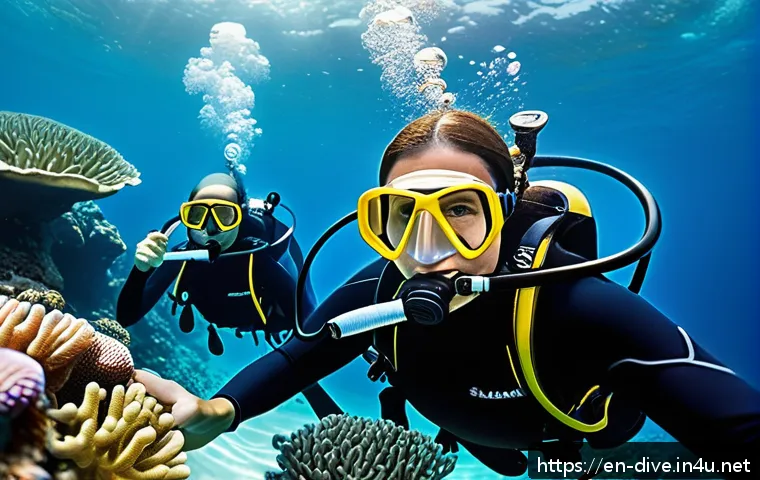
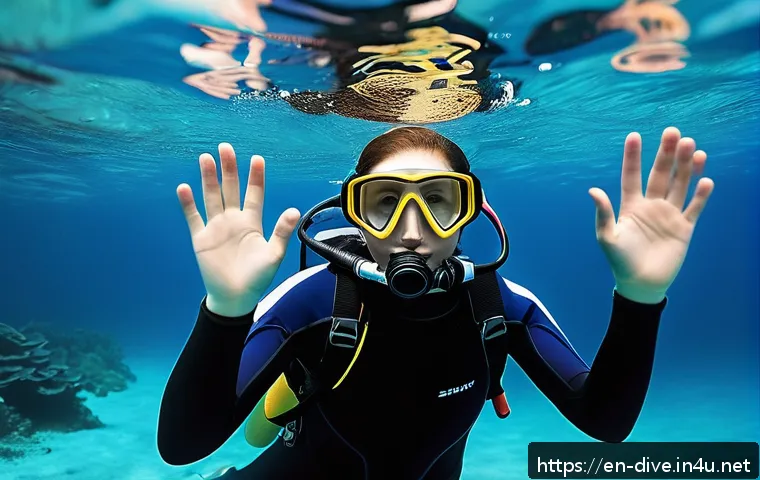
Imagine trying to teach someone a complex skill in an alien environment while they might be on the verge of panic. That’s a regular Tuesday for a dive instructor. I’ve seen instructors use an incredible array of techniques to calm nervous students. Sometimes it’s a simple hand signal, a reassuring squeeze of the arm, or even just making eye contact and offering a warm smile underwater. For others, it might be taking extra time on shallow skills, breaking down tasks into smaller, more manageable steps, or using visualization techniques. The goal isn’t just to get them through the course, but to instill a genuine sense of calm and self-reliance in the water. I remember one student who was terrified of clearing her mask; after a few gentle, patient attempts from the instructor, she finally nailed it, and the look of pure triumph on her face was absolutely priceless. It’s these small victories that make the job so rewarding, not just for the student, but for the instructor too.
Communication: Beyond Hand Signals
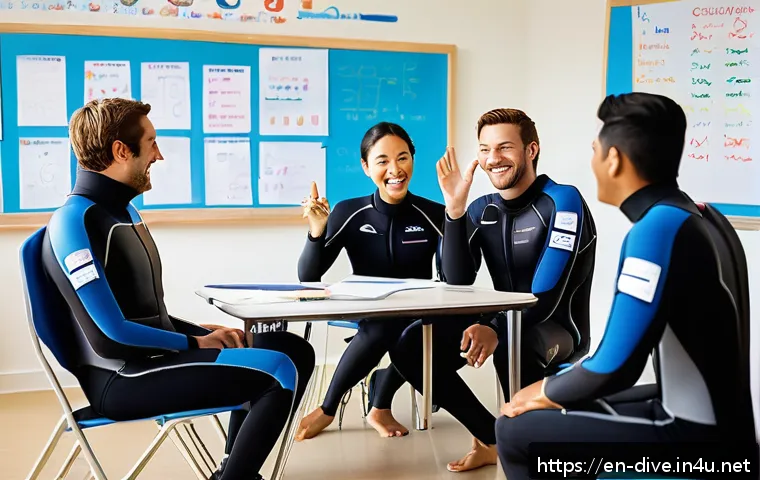
Effective communication is the cornerstone of safe diving. While hand signals are universal underwater, a skilled instructor’s communication starts long before the dive. It involves clear briefings, active listening to student concerns, and explaining potential risks in an understandable, non-alarming way. I’ve noticed that the best instructors are masters of anticipation; they foresee questions and address them proactively. After a dive, their debriefs are just as crucial, offering constructive feedback and celebrating successes. This continuous loop of communication builds a strong foundation of trust between instructor and student. It’s about creating an open environment where students feel comfortable asking questions, no matter how silly they might seem. My personal learning experience highlighted this; my instructor was always approachable, making sure I felt heard and understood, which made a huge difference in my comfort level.
Adapting to the Underwater Classroom: Environment and Equipment
The ocean is the ultimate classroom, and it’s constantly changing. This means a diving instructor isn’t just delivering a static lesson plan; they’re continuously adapting to the dynamic environment around them. I’ve seen them seamlessly pivot from one teaching method to another based on a sudden change in current, a drop in visibility, or even the unexpected appearance of marine life. It’s a dance with nature, requiring an incredible amount of flexibility and resourcefulness. Moreover, the world of dive equipment is always evolving, and instructors need to stay on top of the latest innovations. It’s not just about knowing how to use new gear; it’s understanding its nuances, its benefits, and its potential limitations to ensure both safety and optimal learning for their students. This constant adaptation is a huge part of what makes their work so fascinating and challenging, keeping them on their toes every single day.
Mastering Variable Conditions
You might think once you’ve learned to dive, every dive is pretty much the same. Oh, if only! I’ve seen instructors deal with everything from crystal-clear, calm waters to strong surges, thermoclines, and even reduced visibility from unexpected plankton blooms. Each scenario demands a different approach, a quick reassessment of the dive plan, and often, a change in teaching techniques. For instance, teaching buoyancy in a strong current requires a different set of drills and a heightened sense of awareness than in still water. They have an innate ability to read the water and adjust, ensuring students are comfortable and safe regardless of the conditions. This real-world mastery is something you just can’t get from a textbook; it comes from countless hours spent in diverse aquatic environments, building up a reservoir of practical experience.
Integrating New Dive Technology
The dive industry is always buzzing with new tech, from advanced dive computers to sidemount configurations and rebreathers. Instructors aren’t just teaching the basics; they’re often at the forefront of adopting and teaching these new technologies. My interactions with instructors show they spend significant personal time and money getting trained and certified on the latest equipment. They have to understand not just *how* it works, but also how to troubleshoot it, and more importantly, how to teach it effectively to students with varying levels of technical aptitude. This commitment to continuous learning is crucial. I remember chatting with an instructor who was raving about a new wireless air integration system; he spent weeks familiarizing himself with it before even thinking about incorporating it into his advanced courses. It’s this dedication to expertise that truly sets them apart.
The Business of Bubbles: Balancing Passion with Practicality
While the image of a diving instructor often evokes sun-kissed adventures and marine encounters, the reality also includes a significant amount of business acumen. It’s a delicate dance between an unwavering passion for the ocean and the practical necessities of running a successful operation. Many instructors, especially those who are independent or own their own small dive centers, wear multiple hats: teacher, guide, equipment technician, marketer, and often, bookkeeper. I’ve seen firsthand how they hustle to attract students, manage schedules, and balance the books, all while maintaining that infectious enthusiasm for diving. It’s not just about getting people wet; it’s about creating a sustainable business that allows them to continue sharing their love for the underwater world. This often involves navigating seasonal fluctuations, intense competition, and the ever-present need to innovate to stay relevant in a competitive market. It truly highlights the entrepreneurial spirit that many dive professionals embody.
Marketing and Student Acquisition
In today’s digital age, even dive instructors need to be savvy marketers. They’re often managing their own social media, building websites, and engaging with potential students online. I’ve observed instructors spending hours crafting engaging posts, responding to inquiries, and nurturing leads. It’s about more than just posting pretty pictures of marine life; it’s about communicating the value of a dive education, the safety standards, and the unique experience they offer. Word-of-mouth is still king in the dive world, but an online presence amplifies that significantly. My own dive school choice was heavily influenced by an instructor’s engaging Instagram feed and glowing online reviews, showcasing their passion and expertise even before I met them. They understand that a strong online presence translates directly into more students and, ultimately, more opportunities to share their passion.
Financial Realities and Pricing Strategies
Let’s be honest, diving isn’t the cheapest hobby, and running a dive operation comes with its own set of significant costs. Instructors have to contend with equipment depreciation, boat rental fees, insurance, staffing costs, and general overhead. I’ve had candid conversations with instructors about the challenges of setting competitive yet profitable course fees. It’s a constant evaluation of the market, the value they provide, and the need to cover their expenses while making a living. They’re often offering various packages, from basic certifications to specialty courses and guided tours, each with its own pricing structure. It’s a nuanced approach to ensure they remain accessible to a wide range of students while also sustaining their operations. It’s a lot more complex than just calculating the cost of a few air fills, let me tell you.
When Things Don’t Go to Plan: Handling Unexpected Dive Scenarios
The ocean, for all its beauty, can be incredibly unpredictable. Even with meticulous planning and perfect conditions, things can go wrong underwater. This is where a diving instructor’s true mettle is tested, and honestly, it’s where their extensive training and experience become invaluable. It’s not just about managing emergencies; it’s about preventing them, recognizing early warning signs, and acting swiftly and decisively when the unexpected happens. I’ve witnessed instructors handle minor gear malfunctions, calm a panicked student underwater, and even assist with more serious medical situations on the surface. These are the moments that underscore the immense responsibility they carry and the profound importance of their leadership and quick thinking. It’s a stark reminder that while diving is fun, it demands respect for the environment and a reliance on well-trained professionals to navigate its inherent risks. My admiration for them only deepened after seeing them manage unforeseen challenges with such professionalism.
Responding to Underwater Emergencies
Every diver gets trained in emergency procedures, but an instructor lives and breathes them. I’ve seen instructors calmly manage situations ranging from free-flowing regulators to a lost mask or even a student getting disoriented. They have an almost instinctual ability to assess a situation, prioritize immediate actions, and execute rescue techniques without hesitation. One time, during a routine training dive, a student accidentally kicked off their fin in a mild current. Before anyone else could react, the instructor was already there, retrieving the fin and helping the student re-don it, all while maintaining perfect buoyancy and control. It looked so effortless, but I knew it was the result of countless hours of practice and drills. This readiness for anything is what truly makes them the unsung heroes of the deep.
Surface Support and First Aid
An instructor’s responsibility doesn’t end when the divers surface. They are often the first responders for any surface-level issues, from seasickness to more serious medical incidents. I’ve personally seen instructors administer first aid, manage oxygen delivery, and coordinate with emergency services when necessary. They carry comprehensive first aid kits and are continuously refreshing their emergency medical training. Their knowledge of local medical facilities and emergency protocols is often encyclopedic. This comprehensive approach to safety, extending from the depths of the ocean to the boat deck, truly highlights their dedication to the well-being of their students. It’s a comforting thought knowing that you’re always in capable hands, no matter what happens.
The Evolving Role: Tech, Conservation, and Future Trends
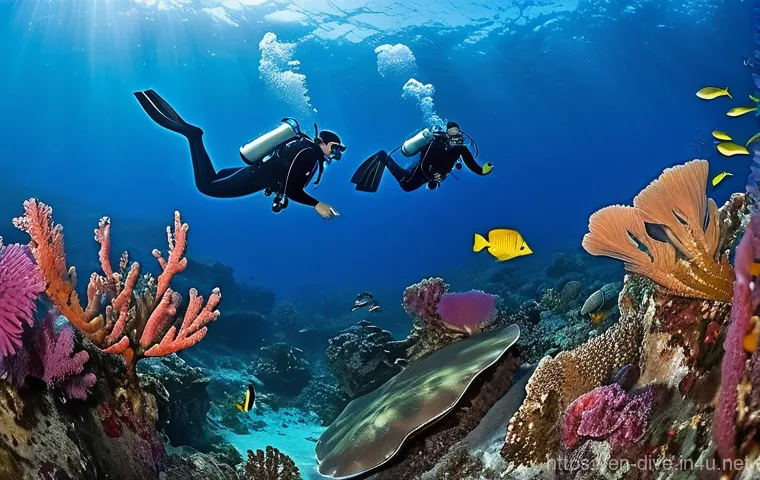
The world of diving is far from static. It’s a dynamic, ever-evolving landscape influenced by technological advancements, a growing global awareness of marine conservation, and shifting travel trends. Diving instructors aren’t just teaching the same old courses; they are constantly adapting their curricula, learning new skills, and advocating for a healthier ocean. I’ve noticed a significant shift over the years, with instructors increasingly incorporating environmental ethics and conservation principles into every lesson. They’re becoming powerful advocates for the marine environment, teaching not just how to dive, but how to dive responsibly and respectfully. This proactive engagement with current issues and future trends is what keeps the profession vibrant and relevant, ensuring that diving remains a sustainable and enriching activity for generations to come. It’s inspiring to see how many instructors are stepping up to be true guardians of the underwater world.
Embracing Eco-Diving and Conservation
Conservation is no longer an optional add-on; it’s becoming an integral part of dive education. Many instructors I’ve encountered are passionate advocates for marine protection, actively teaching students about coral reef preservation, responsible interaction with marine life, and the impact of plastic pollution. They organize beach cleanups, participate in citizen science projects, and guide their students to become environmentally conscious divers. I’ve seen instructors weave conservation messages into every aspect of their teaching, from buoyancy control (to avoid damaging reefs) to identifying endangered species. It’s a wonderful example of how their role extends beyond just teaching skills to fostering a deeper appreciation and sense of responsibility for our oceans. This commitment to the environment truly elevates their profession.
The Rise of Specialized and Technical Diving
Beyond recreational diving, there’s a growing interest in specialized and technical diving, opening up new avenues for instructors. This includes everything from sidemount and cave diving to rebreathers and advanced nitrox. Instructors who venture into these areas require extensive additional training and experience, often pushing the boundaries of what’s possible underwater. I’ve talked to instructors who are constantly upgrading their own skills and certifications to meet this demand, allowing them to offer a wider range of courses and cater to more experienced divers looking for new challenges. This specialization not only diversifies their income streams but also keeps their own passion for diving ignited as they explore new frontiers. It’s a testament to their continuous pursuit of mastery.
The Emotional Tide: Burnout, Reward, and Resilience
Being a diving instructor, while undeniably rewarding, is also incredibly demanding, both physically and emotionally. It’s a job that requires immense stamina, unwavering patience, and a constant outpouring of energy. I’ve seen instructors beaming with pride after a student’s first successful open water dive, their faces glowing with shared accomplishment. But I’ve also witnessed the quiet moments of exhaustion after a long day of back-to-back courses, or the frustration that can set in when dealing with difficult students or challenging conditions. It’s an emotional roller coaster, a constant ebb and flow of highs and lows. The resilience required to bounce back, to maintain that infectious enthusiasm day after day, year after year, is truly remarkable. This emotional investment is what makes them so good at what they do, but it also means they need their own strategies for self-care and avoiding burnout.
Battling Burnout and Staying Motivated
The intense schedule, long hours, and constant responsibility can take a toll. I’ve seen instructors grapple with burnout, a very real challenge in a profession driven by passion. They often find themselves working holidays, weekends, and late into the evening. To counteract this, many instructors actively seek out personal dive trips, explore new dive sites just for fun, or take time off to reconnect with family and friends. It’s crucial for them to remember their own initial love for diving. I remember one instructor telling me that his secret was finding a new “favorite” marine creature to obsess over every few months, keeping the wonder alive. They develop coping mechanisms to maintain their mental and physical well-being, ensuring they can continue sharing their love for the ocean without sacrificing themselves in the process.
The Unforgettable Rewards of the Job
Despite the challenges, the rewards of being a diving instructor are immeasurable. There’s something truly special about introducing someone to the underwater world for the very first time. I’ve seen the sheer joy on a student’s face when they finally master a skill, the awe in their eyes as they encounter a majestic sea turtle, or the profound sense of calm they discover in the blue. These moments are what fuel an instructor’s passion and remind them why they do what they do. The bonds formed with students, who often become lifelong friends, are another incredible perk. It’s more than a job; it’s a calling, a privilege to facilitate transformative experiences for others.
The Evolution of a Dive Pro: From Novice to Master Mentor
The journey of a diving instructor isn’t just about reaching a certain certification level; it’s a continuous evolution, a lifelong commitment to learning, refining, and sharing knowledge. Many start as passionate recreational divers, driven by a deep love for the ocean. They then take the plunge into professional training, often sacrificing personal time and resources to gain the expertise needed to guide others safely. But the learning doesn’t stop there. I’ve observed that the truly exceptional instructors are perpetually honing their skills, seeking out new specialties, and learning from every dive and every student. They transform from skilled divers into master mentors, capable of inspiring confidence, instilling respect for the marine environment, and shaping the next generation of ocean explorers. It’s a testament to their dedication that their own growth mirrors the growth they foster in their students.
Building a Reputation for Excellence
In the dive industry, a reputation for excellence is everything. It’s built on a foundation of safety, professionalism, and a genuine ability to connect with students. I’ve noticed that instructors who consistently go above and beyond – offering extra support, patiently explaining complex concepts, or simply sharing their infectious enthusiasm – are the ones whose names are passed around with glowing recommendations. Word-of-mouth referrals are incredibly powerful. This reputation isn’t just about getting more students; it’s about establishing authority and trust, which are cornerstones of the E-E-A-T principle. My personal experience seeking an instructor involved extensive research into reviews and testimonials, highlighting how crucial a solid reputation is in making a choice. They understand that every interaction contributes to their standing in the dive community.
Lifelong Learning and Skill Refinement
The best instructors never stop learning. They are constantly refining their own dive skills, seeking advanced certifications, and staying current with industry best practices and research. This might involve enrolling in technical diving courses, attending workshops on marine biology, or even taking advanced first aid and rescue training. I’ve seen instructors dedicating their “off-season” to further education, investing in themselves to become even more knowledgeable and capable. This commitment to lifelong learning is what allows them to remain at the forefront of the industry, offering fresh perspectives and continuously enhancing the quality of their instruction. It’s not just about teaching; it’s about embodying the spirit of continuous exploration and improvement.
| Aspect of Instructor Life | Challenges Faced | Rewards Experienced |
|---|---|---|
| Pre-Dive Preparation | Meticulous gear checks, unpredictable weather, complex logistics, early mornings | Ensuring diver safety, smooth operations, confidence in equipment |
| Student Management | Varying skill levels, managing anxiety, language barriers, diverse personalities | Witnessing student breakthroughs, building confidence, lasting connections |
| Environmental Adaptation | Changing currents, visibility shifts, unexpected marine life interactions, preserving marine ecosystems | Deep understanding of ocean dynamics, fostering conservation, unique encounters |
| Business Operations | Marketing, scheduling, financial management, competition, equipment costs | Sustainable career path, sharing passion, independence, community building |
| Emergency Response | Rapid assessment, quick decision-making, administering first aid, managing panic | Saving lives, preventing incidents, strong sense of responsibility, trust |
| Continuous Development | Staying updated on tech, advanced training, combating burnout, financial investment | Expanded expertise, personal growth, offering new courses, industry leadership |
Cultivating a Community: Beyond the Classroom and into the Blue
Diving instructors don’t just teach individuals; they often cultivate vibrant communities around their passion. I’ve noticed that many instructors become the central figures in a network of divers, fostering a sense of belonging and camaraderie that extends far beyond the certification course. This community-building aspect is incredibly powerful, creating opportunities for continued learning, shared adventures, and lasting friendships. It’s about creating a welcoming environment where divers feel comfortable returning for advanced courses, guided trips, or simply to swap stories and plan future explorations. This sense of tribe is a huge part of what makes diving so appealing and sustainable as a hobby. It’s not just about learning a skill; it’s about joining a family of like-minded ocean enthusiasts, all guided by the steady hand and infectious enthusiasm of their instructor.
Organizing Dive Trips and Events
Beyond teaching, many instructors organize regular dive trips, both local and international, and host social events. I’ve joined instructors on incredible excursions, where they meticulously plan every detail, from accommodation to dive sites and even social gatherings. These trips aren’t just about diving; they’re opportunities for divers to continue developing their skills, explore new underwater environments, and forge deeper connections with fellow enthusiasts. It’s a huge effort to coordinate all the logistics, but the instructors do it because they genuinely love seeing their community thrive. It gives divers something to look forward to and keeps them engaged with the sport, ensuring a continuous stream of opportunities for the instructor as well.
Mentorship and Ongoing Support
A good instructor’s role doesn’t end when you get your certification card. Many act as ongoing mentors, offering advice, answering questions, and providing support long after the course is over. I’ve personally reached out to my former instructors for recommendations on gear, tips for specific dive sites, and even career advice in the dive industry. They often become trusted advisors, a go-to resource for anything related to diving. This continued mentorship fosters loyalty and helps build a strong, informed diving community. It’s a relationship built on trust and shared passion, and it’s one of the most heartwarming aspects of the profession. They genuinely care about their students’ continued safety and enjoyment in the water.
Wrapping Things Up
As we’ve journeyed through the intricate world of diving instructors, it’s clear their role is far more profound than simply teaching us to breathe underwater. They are mentors, navigators, psychologists, and guardians of the ocean, dedicating countless hours to ensuring our safety and fostering our love for the blue. My own experiences, both as a student and observing these incredible professionals, have ingrained in me a deep respect for their passion and unwavering commitment. They truly are the unsung heroes who unlock the magic of the underwater world, making every dive an adventure and every lesson a stepping stone to deeper understanding and connection.
Useful Information to Know
1. Choosing Your Instructor Matters: Don’t just pick the cheapest or closest option. Research their experience, read reviews, and look for someone whose teaching style resonates with you. A great instructor can make or break your learning experience and your confidence in the water.
2. Beyond Basic Certification: Your Open Water certification is just the beginning! Consider specialty courses like Advanced Open Water, Nitrox, or even Rescue Diver. These not only expand your skills but also introduce you to new aspects of diving and reinforce safety.
3. Invest in Your Own Gear, Gradually: While rental gear is fine initially, owning your mask, fins, and snorkel greatly enhances comfort. As you progress, consider investing in a dive computer and then a BCD and regulator set tailored to your preferences. It makes a huge difference.
4. Embrace Eco-Diving Principles: The ocean is our playground, and it’s vital we protect it. Always maintain excellent buoyancy to avoid damaging coral, never touch marine life, and participate in local clean-up dives when you can. Be a responsible diver!
5. Stay Current and Practice: Diving is a skill that benefits from regular practice. If it’s been a while since your last dive, consider a refresher course. Stay informed about new dive practices and technologies to keep your skills sharp and safe.
Key Takeaways
The world of diving is undeniably alluring, but behind every breathtaking underwater moment lies the unwavering dedication of a diving instructor. What I’ve learned firsthand is that their expertise extends far beyond simply demonstrating skills; it encompasses meticulous pre-dive preparation, an innate ability to read and adapt to ever-changing ocean conditions, and a profound understanding of human psychology. They are constantly evaluating risks, fostering confidence in apprehensive students, and ensuring that every single diver under their care feels safe, supported, and ultimately, exhilarated by the experience. Their commitment to continuous learning, from mastering new dive technologies to championing marine conservation, underscores their role as true custodians of the underwater realm. Moreover, their ability to navigate the practicalities of business alongside their deep passion for the ocean is a testament to their resilience. Ultimately, a great diving instructor isn’t just a teacher; they’re a mentor, a guide, and a key figure in cultivating a vibrant community of ocean lovers, making the journey into the blue not just a lesson, but a truly transformative life experience.
Frequently Asked Questions (FAQ) 📖
Q: It sounds like diving instructors have a lot on their plate! What are some of the most unexpected or challenging aspects of the job that people might not realize?
A: Oh, you’re absolutely right! On the surface, it might look like pure bliss – sunshine, beautiful reefs, and happy divers. But trust me, there’s a whole ocean of challenges that go on behind the scenes.
One of the biggest, and often least talked about, is managing student psychology. I’ve personally seen folks who are initially super excited get hit with intense anxiety once they’re actually in the water, especially in deeper areas where they can’t touch the bottom.
It’s not just about teaching skills; it’s about being a therapist, a motivator, and sometimes, a calm anchor in a student’s moment of panic. Adapting lesson plans on the fly for varying comfort levels, handling equipment quirks underwater (because, let’s be real, gear can be finicky!), and even dealing with unexpected environmental shifts like sudden currents or changes in visibility can turn a “standard” dive into a complex scenario.
And it’s not always about the dramatic stuff; sometimes it’s the sheer repetition of teaching entry-level courses that can be mentally taxing, requiring instructors to constantly rekindle that initial spark.
As an instructor, you’re responsible for not just your own safety but that of everyone around you, constantly monitoring air, depth, and time for multiple people.
It’s a huge mental load, and finding time for your own fun dives? That can be a real struggle too. It’s definitely more than just blowing bubbles; it’s a constant dance of vigilance, adaptation, and genuine care.
Q: Given the diverse range of students, how do instructors manage to keep everyone safe and engaged, especially when dealing with different skill levels or even anxieties underwater?
A: This is where the true artistry of a diving instructor shines! It’s never a one-size-fits-all approach. From my experience, the most effective instructors are incredibly adaptable.
They master the art of “reading” their students, not just their physical actions but their unspoken cues. A nervous twitch, eyes darting around, or even a subtle change in breathing pattern can signal anxiety.
Before even hitting the water, a thorough and engaging briefing is crucial, setting expectations and building trust. But underwater, it’s all about clear, concise non-verbal communication and demonstrating calm.
I’ve witnessed instructors who can instantly switch up their teaching style – maybe spending extra time with a student struggling with buoyancy, or offering a reassuring hand signal to someone feeling overwhelmed.
For those with deeper anxieties, a good instructor fosters an environment of psychological safety, making it clear that it’s okay to call a dive if they’re uncomfortable, without any judgment.
They use positive reinforcement, break down complex skills into smaller, manageable steps, and celebrate every little victory. It’s about building confidence brick by brick, ensuring everyone feels supported and empowered, regardless of their starting point.
That personalized touch, that genuine connection, is what truly makes a dive safe and unforgettable for every student.
Q: With all the talk about marine conservation and new dive destinations, how do diving instructors stay current and what role do they play in protecting our oceans while still creating those amazing dive experiences?
A: This is a question close to my heart because it highlights the evolving role of our ocean heroes! Diving instructors aren’t just teachers; they’re vital ambassadors for the marine world.
To stay current, many actively engage in continuous education, attending workshops, diving in diverse environments, and keeping up with the latest dive technology and conservation science.
But their role goes far beyond personal learning. They’re on the front lines, literally, educating the next generation of divers about responsible practices and the fragility of marine ecosystems.
Think about it: when you see an instructor carefully hovering over coral, pointing out a delicate nudibranch without touching anything, they’re teaching by example.
They instill that “leave no trace” ethos, promoting eco-friendly habits like proper buoyancy control to prevent reef damage. I’ve seen instructors organize beach clean-ups, participate in citizen science projects by collecting data on marine health, and even guide divers toward understanding responsible travel to new, pristine destinations.
They often partner with local conservation groups, becoming advocates for marine protected areas and sustainable tourism. It’s about creating unforgettable experiences that also foster a deep appreciation and a sense of responsibility for our oceans, ensuring these incredible underwater worlds remain vibrant for generations to come.