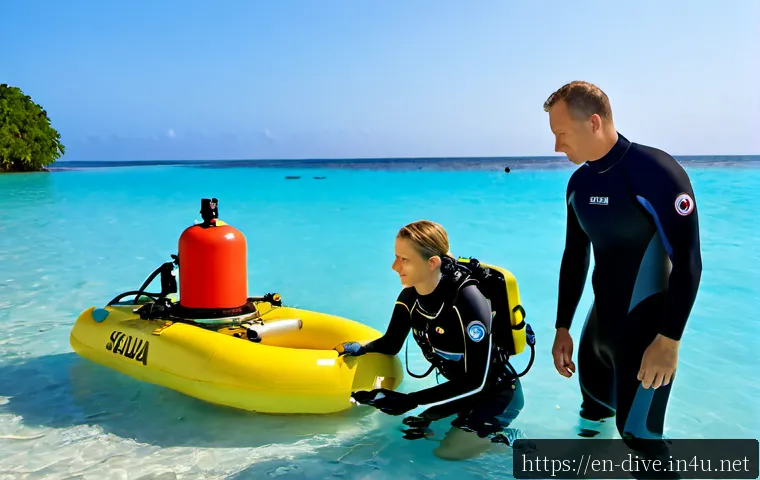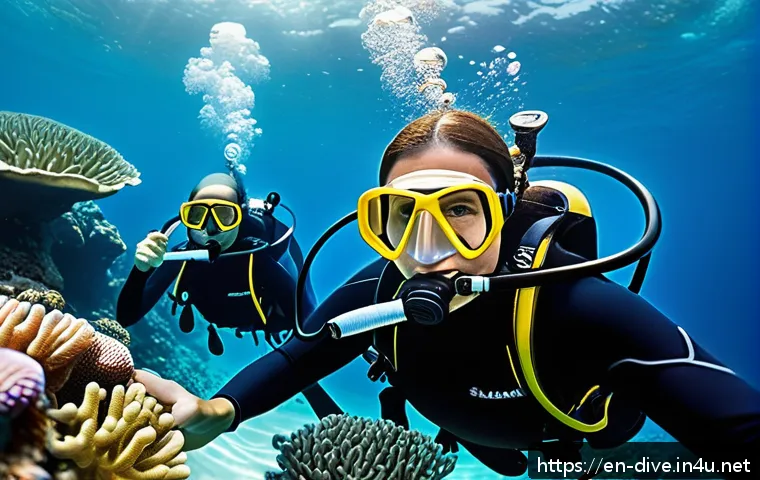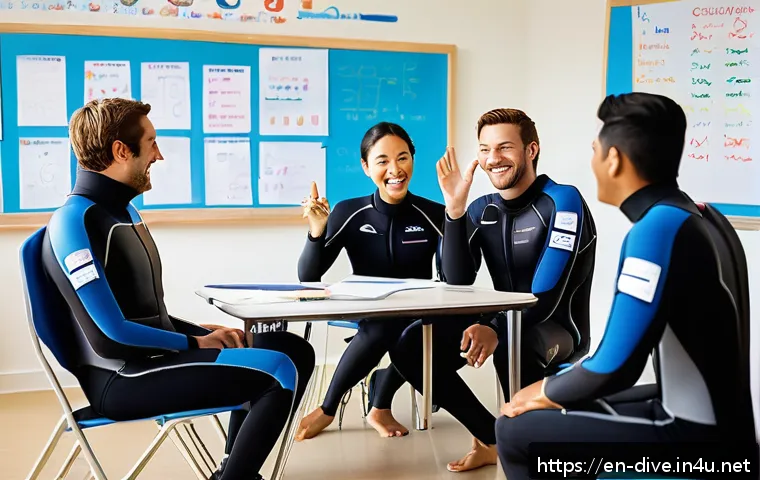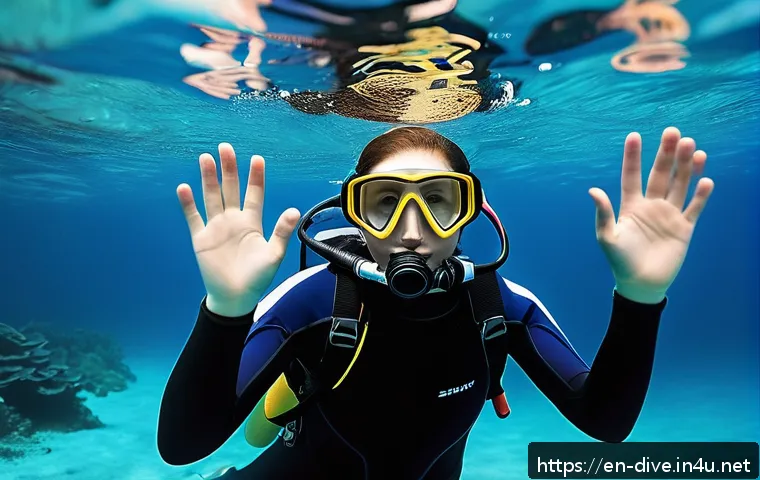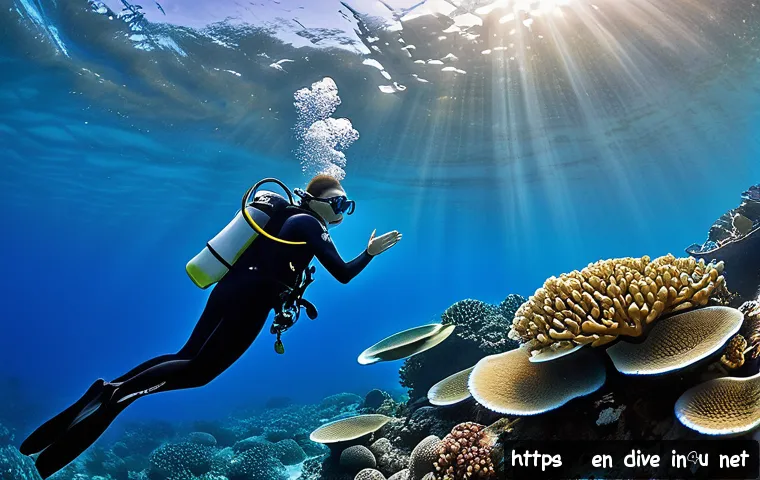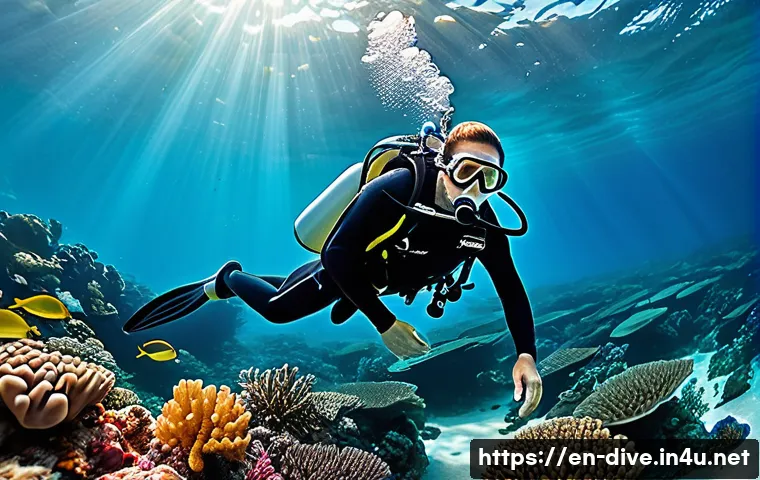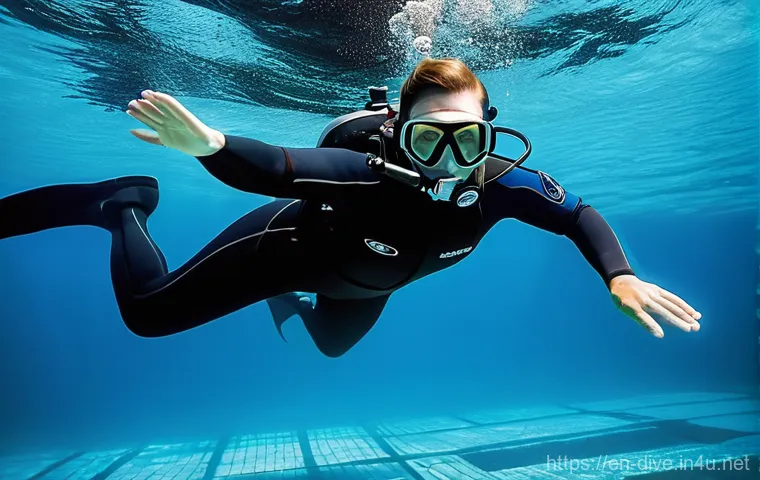
Have you ever dreamt of turning your deep love for the ocean into an extraordinary career? Becoming an SSI Diving Instructor is truly a life-changing adventure, and trust me, I speak from personal experience!
It’s more than just mastering dive tables and skills; it’s about sharing your passion, building future ocean ambassadors, and guiding new divers through incredible underwater discoveries.
I remember staring at those SSI manuals, feeling a mix of excitement and a little bit of ‘where do I even start?’ It can feel like a monumental task, but with the right approach and a few insider tips, you’ll sail through your Instructor Training Course (ITC) and Instructor Evaluation (IE) with confidence.
In today’s dynamic diving world, with its ever-evolving digital learning tools and a growing emphasis on environmental stewardship, being truly prepared means understanding the holistic picture.
I’m here to spill all the beans on making your SSI Instructor journey as smooth and successful as possible, covering everything from nailing your dive theory using the MySSI app to perfecting those demonstration-level skills.
Get ready to transform your diving dreams into reality; I’m here to give you the full scoop!
Getting Your Foundations Rock Solid: The Pre-ITC Dive Prep

Before you even think about stepping into your Instructor Training Course (ITC), trust me, a solid foundation is your best friend. I’ve seen too many enthusiastic candidates trip up simply because they underestimated the importance of pre-course preparation. It’s not just about dusting off your old dive logs; it’s about genuinely reconnecting with every aspect of diving. This phase is where you polish those fundamental skills until they gleam and refresh your theoretical knowledge so it’s not just memorized, but truly understood. Think of it as your personal bootcamp before the main event. Getting yourself into peak diving shape, both mentally and physically, will pay dividends when the pressure is on during the ITC and especially during the Instructor Evaluation (IE). It truly makes a world of difference when you walk in feeling prepared and confident, rather than scrambling to recall facts or execute skills you haven’t practiced in a while. This preparation isn’t just for passing; it’s about building the confidence that will shine through when you’re teaching your own students.
Sharpening Your Personal Dive Skills
Remember those basic confined water skills you learned ages ago? Now’s the time to not just remember them, but to master them to demonstration level. This means making them look effortless, flawless, and repeatable, even while wearing fins backward! Seriously, I spent hours in a local pool, practicing mask clearing, regulator recovery, and buoyancy control until it felt like second nature. Find a dive buddy, or better yet, a seasoned instructor who can observe you and offer constructive feedback. My first attempts at demonstrating hovered fin pivots were, let’s just say, less than elegant. But through consistent practice and critical self-assessment, I finally nailed them. Don’t be shy about asking for help; every instructor has been where you are now. It’s about building muscle memory and making sure your movements are clear, concise, and easy for future students to emulate.
Reacquainting Yourself with Dive Theory
Oh, dive theory. It might sound a bit dry, but this is the backbone of safe and responsible diving. Go back through your Open Water, Advanced Open Water, Stress & Rescue, and Divemaster manuals. Pay particular attention to physics, physiology, decompression theory, and equipment knowledge. I personally created flashcards for tricky concepts and even found some fantastic online quizzes to test myself. The MySSI app (which we’ll chat about more later!) is also a goldmine for refreshing this information. Don’t just skim it; dive deep into understanding the ‘why’ behind the ‘what.’ When a student asks a tricky question about nitrogen absorption or Boyle’s Law, you want to answer with confidence, not a hesitant ‘uhm…’ Having this knowledge at your fingertips instills trust and authority, which is absolutely crucial for an instructor.
Mastering the MySSI App: Your Digital Dive Companion
In today’s diving world, digital is king, and the MySSI app is your royal scepter. This isn’t just some fancy add-on; it’s an indispensable tool that will guide you through your entire instructor journey and beyond. From the moment you enroll in your ITC, the app becomes your personal library, logbook, and progress tracker all rolled into one. I remember when dive tables were physical and logbooks were paper, but now, everything is seamlessly integrated into this powerful platform. Embracing the MySSI app means you’re not just keeping up with the times, you’re ahead of the curve, ready to teach the next generation of divers in a way that resonates with their tech-savvy minds. It streamlines everything, making your life as an instructor, both during training and when teaching, incredibly efficient and organized. Seriously, get intimately familiar with it!
Diving Deep into the Digital Manuals
Gone are the days of lugging around heavy textbooks. The MySSI app gives you instant access to all the course materials you’ll need, right on your tablet or smartphone. I found this incredibly useful during my ITC. Waiting for a boat? Pull out your phone and review the rescue diver scenarios. Grabbing a coffee? Quickly check the minimum requirements for an Open Water skill. The ability to highlight, bookmark, and search within the digital manuals is a game-changer. I personally used the highlighting feature to mark key teaching points and potential student questions, making my lesson planning much more efficient. Plus, having everything updated digitally means you’re always working with the most current information, which is a huge peace of mind.
Tracking Your Progress and Certifications
The app isn’t just for learning; it’s also your official record keeper. All your certifications, from your very first Open Water dive to your instructor ratings, are stored digitally. This is fantastic for proving your credentials, especially when applying for jobs or showing experience to dive centers. Beyond certifications, you can also track your progress through the various instructor programs, seeing exactly what modules you’ve completed and what’s next on your journey. It gives you a clear roadmap and a real sense of accomplishment as you tick off each requirement. It felt incredibly motivating to see my progress bar filling up as I moved closer to my goal of becoming an SSI Instructor.
Navigating the Instructor Training Course (ITC): What to Expect
The Instructor Training Course (ITC) is where the real magic happens, but it’s also where you’ll be pushed out of your comfort zone – and that’s a good thing! It’s an intensive period, usually spanning several days to a couple of weeks, packed with classroom sessions, confined water practice, and open water evaluations. You’ll be immersed in the SSI teaching philosophy, learning how to present theory, demonstrate skills, and manage students effectively. I distinctly remember the rollercoaster of emotions – the excitement of learning new teaching techniques, the occasional frustration when a skill didn’t quite click, and the immense satisfaction of finally nailing a presentation. It’s a challenging but incredibly rewarding experience that truly transforms you from a skilled diver into a capable educator. Be prepared to work hard, ask questions, and embrace every learning opportunity.
The Intense Classroom Sessions
Don’t expect passive lectures here! The classroom portions of the ITC are highly interactive. You’ll be giving presentations on various SSI programs, learning about risk management, legal aspects of diving, and how to effectively use teaching aids. My dive theory presentations felt a bit stiff at first, but with feedback from my Instructor Trainer, I learned to inject more personality and make them genuinely engaging. You’ll also learn about the intricacies of the SSI system, administrative procedures, and how to market yourself as an instructor. It’s a lot of information, but it’s all vital for running a safe and successful dive operation. Pay close attention, take detailed notes, and don’t be afraid to practice presenting to your mirror or even your pets!
Pool Skills: Practice Makes Perfect
This is where you’ll transform your personal diving skills into demonstration-level perfection. You’ll practice every skill from Open Water, Advanced Open Water, and even some specialty courses, but this time with a teaching mindset. The focus is on clarity, control, and exaggeration, so your future students can easily understand and mimic your movements. I spent hours refining my fin pivots and mask clearings, trying to make them look as smooth and effortless as possible. It’s not just about doing the skill, it’s about doing it *perfectly* while explaining it. Your Instructor Trainer will provide invaluable feedback, helping you identify areas for improvement and fine-tuning your technique. Embrace the feedback – it’s designed to make you a better teacher!
The Art of Teaching: From Theory to Open Water
Becoming an SSI Instructor isn’t just about mastering the content; it’s about mastering the art of delivery. It’s truly a different beast than just being a great diver. You’re transitioning from being a participant to being a guide, and that requires a whole new set of skills. This phase of your journey, particularly during the ITC, focuses heavily on how you interact with students, how you manage a group in varying conditions, and how you adapt your teaching style to meet individual needs. I remember the daunting feeling of standing in front of my peers, pretending they were nervous beginner divers, and trying to convey confidence and clarity. It felt awkward at first, but with practice, it started to feel incredibly natural. This is where you learn to translate complex dive concepts into easily digestible lessons, both in the classroom and underwater. It’s about empowering others to love the ocean as much as you do.
Crafting Engaging Presentations
Forget dry, monotone lectures! An engaging presentation is key to keeping students interested and ensuring they retain crucial information. During the ITC, you’ll learn techniques to make your classroom sessions lively and interactive. Use humor, real-world examples, and encourage questions. I found that incorporating personal anecdotes about dive experiences always captured my audience’s attention. For instance, explaining decompression sickness isn’t just about showing a graph; it’s about sharing a relatable (but safe!) scenario that highlights its importance. Think about your own favorite teachers – what made them great? Emulate those qualities. It’s about connecting with your students on a human level, making the learning process enjoyable and memorable. This is where your passion truly shines through.
The Power of Demonstration and Feedback
In the water, your demonstrations are your primary teaching tool. They need to be clear, precise, and executed perfectly. Your Instructor Trainer will emphasize the importance of exaggeration and slowing down movements so students can easily follow along. After a demonstration, timely and constructive feedback is paramount. It’s not about criticizing; it’s about guiding. I learned to use the “sandwich” method: start with something positive, offer specific areas for improvement, and end with encouragement. For example, “Your buoyancy was fantastic, but try to keep your fins a bit closer together during that kick. You’re almost there!” This approach builds confidence and helps students understand exactly how to adjust their technique.
Crushing the Instructor Evaluation (IE): My Top Tips
The Instructor Evaluation (IE) is the final hurdle, and I won’t lie, it can feel like a monumental test. All the knowledge, skills, and teaching philosophies you’ve absorbed throughout your ITC culminate here. It’s usually a two-day event, conducted by an independent SSI Evaluator, designed to ensure you meet the stringent standards required to be an SSI Instructor. The pressure is definitely on, but remember, if you’ve made it this far, you’ve already proven your capabilities. The IE isn’t designed to trick you; it’s designed to confirm that you are a safe, competent, and effective instructor. I remember the knot in my stomach the morning of my IE, but by focusing on my training and trusting in my preparation, I managed to perform effectively. Approach it with confidence, a positive attitude, and a clear head. You’ve got this!
Pre-IE Nerves and How to Conquer Them
It’s totally normal to feel a surge of nerves before the IE. I certainly did! The key is not to let them overwhelm you. One technique I found incredibly helpful was visualization. I spent time mentally rehearsing each segment of the IE – from my classroom presentation to my open water demonstrations. I imagined myself performing perfectly, clearly, and confidently. Another tip: get plenty of rest the night before, and fuel your body with good, healthy food. Avoid caffeine jitters! Chatting with fellow candidates also helped; we shared anxieties and supported each other, which really created a sense of camaraderie. Remember, everyone else is feeling it too, and a little bit of nervous energy can actually sharpen your focus.
Performing Under Pressure
During the IE, you’ll be evaluated on your dive theory knowledge, confined water skills demonstrations, open water teaching scenarios, and classroom presentations. The evaluators are looking for competence, safety, and adherence to SSI standards. If something doesn’t go exactly as planned (and let’s be real, sometimes it won’t!), take a breath, regroup, and recover gracefully. I made a tiny bobble on one of my skill demonstrations, but I quickly corrected it without letting it derail my entire performance. Your ability to self-correct and maintain composure under pressure is a testament to your professionalism. Show them you can adapt, think on your feet, and maintain control of a teaching situation. Remember, they want to see you succeed.
Beyond Certification: Building Your Instructor Persona
Getting your SSI Instructor certification is an incredible achievement, but it’s really just the beginning of your journey. Now, the real fun starts: building your unique instructor persona! This isn’t about creating a fake image; it’s about developing your strengths, refining your teaching style, and finding your niche in the vast world of diving. I quickly realized that while the core SSI standards are universal, *how* I delivered those standards could be uniquely ‘me.’ This phase is about transitioning from just being certified to becoming a recognized, trusted, and sought-after diving educator. It’s about leveraging your passion, your experience, and your personality to not just teach, but to inspire and connect with your students on a deeper level. This is where you start to carve out your reputation and truly become a leader in the diving community.
Developing Your Unique Teaching Style
Every great teacher has a distinct style, and you’ll naturally develop yours over time. Some instructors are known for their humor, others for their calm demeanor, and some for their meticulous attention to detail. Think about what makes you unique. Are you particularly patient with nervous beginners? Do you excel at making complex theory easily understandable? Embrace these qualities. I found my stride by focusing on making diving fun and accessible, often using analogies from everyday life to explain concepts. Don’t try to imitate another instructor perfectly; let your genuine personality shine through. Students respond best to authenticity, and finding your voice will not only make teaching more enjoyable for you but also more effective for your students.
Networking in the Dive Community
The diving world is a surprisingly tight-knit community, and networking is absolutely vital. Get to know other instructors, dive center owners, and industry professionals. Attend dive shows, join local dive clubs, and participate in online forums. I met some of my most influential mentors and even secured my first few teaching opportunities simply by connecting with people at local dive events. Don’t just show up and hand out business cards; genuinely engage with people, share your passion, and learn from their experiences. These connections can lead to invaluable mentorship, job opportunities, and even lifelong friendships. Remember, the more people who know and trust you, the more doors will open.
Making a Splash: Finding Your First Teaching Gigs
You’ve got your shiny new SSI Instructor certification, a refined teaching style, and a budding network – now it’s time to put it all into action! Finding your first teaching gigs can feel a bit daunting, but it’s an exciting step into your new career. Don’t expect to immediately be leading full Open Water courses on a Caribbean island (though that dream is totally achievable!). Many instructors start by assisting more experienced pros, working freelance, or taking on specialty courses. It’s all about getting your foot in the door, gaining experience, and building your reputation. I remember the thrill of teaching my very first student, even if it was just a refresher course. Every teaching experience, big or small, adds to your confidence and expertise. Be proactive, be persistent, and be ready to jump on opportunities as they arise.
Starting as an Assistant or Freelancer
Many new instructors start by assisting experienced pros. This is an invaluable way to learn the ropes, see different teaching styles in action, and gain practical experience without the full responsibility. It allows you to refine your student management skills and observe how seasoned instructors handle various situations. Alternatively, you could explore freelance opportunities, offering specialty courses or private refreshers. This might require a bit more self-promotion, but it gives you flexibility. My first consistent work was as a freelance instructor for a local dive shop, helping with their weekend Open Water courses. It was the perfect stepping stone to eventually leading my own classes.
Crafting a Stand-Out Resume
Your resume for a dive job will look a bit different from a typical corporate one. Highlight your diving certifications, experience (even if it’s mostly personal dives initially), specialties, and any relevant leadership roles. Emphasize your communication skills, problem-solving abilities, and passion for marine conservation. Include a professional headshot if appropriate, and always tailor your cover letter to the specific dive center you’re applying to. Mention why you’re excited about *their* operation and how you believe you can contribute. I made sure to emphasize my ability to connect with students from diverse backgrounds, which I knew was a huge plus for the international dive centers I was targeting.
Embracing Continuous Growth: Lifelong Learning for Dive Pros
Becoming an SSI Instructor is a fantastic achievement, but it’s not the finish line – it’s just the beginning of a lifelong journey of learning and growth. The diving industry is constantly evolving, with new technologies, techniques, and environmental concerns emerging regularly. To stay at the top of your game, and to truly be an authoritative and trustworthy figure in the dive community, you must commit to continuous education. I’ve found that the more I learn, the more I realize there is to discover, both about diving and about teaching. This dedication to ongoing development isn’t just about staying relevant; it’s about enriching your own experience and ensuring you can offer the very best to your students. Never stop learning, exploring, and challenging yourself!
Advanced Specialties and Their Benefits
Once certified, consider expanding your teaching repertoire by becoming an instructor for various SSI Specialties. Think about what excites you most: wreck diving, night diving, deep diving, enriched air nitrox, or even technical diving. Each specialty you can teach opens up new opportunities and makes you a more versatile and marketable instructor. Plus, it’s incredibly fun to delve deeper into these areas yourself! I personally loved becoming a Wreck Diving Instructor because it allowed me to combine my passion for history with my love for diving. It not only broadens your expertise but also helps you connect with a wider range of students who share those specific interests.
Staying Current with Industry Trends
The diving world is dynamic, and staying informed about the latest trends, equipment innovations, and safety protocols is crucial. Subscribe to industry newsletters, follow leading dive organizations and manufacturers on social media, and read dive magazines. Attend dive expos and workshops whenever you can. I make it a point to regularly check SSI’s professional portal for updates and engage in discussions with other instructors. Being knowledgeable about new developments, like changes in dive computer algorithms or advancements in sustainable diving practices, not only enhances your own diving but also allows you to provide the most current and accurate information to your students, solidifying your reputation as an expert.
| Phase of Instructor Journey | Key Focus Areas | My Personal Takeaway |
|---|---|---|
| Pre-ITC Preparation | Theory refresh, skill mastery, physical fitness, mental readiness. | Don’t skip this! It builds confidence and makes the ITC much smoother. Your buoyancy should be legendary. |
| Instructor Training Course (ITC) | Teaching methodology, presentation skills, confined/open water teaching, SSI standards. | Embrace feedback, practice endlessly, and learn to love being the center of attention (in a good way!). |
| Instructor Evaluation (IE) | Demonstrating competence in all teaching aspects under pressure. | Trust your training, manage your nerves, and remember it’s a validation, not a trick. |
| Post-Certification & Growth | Developing personal teaching style, networking, gaining experience, continuing education. | This is where your unique voice as an instructor emerges. Never stop learning and connecting! |
Concluding Thoughts
This journey from an enthusiastic diver to a certified SSI Instructor, and then beyond, is truly transformative. It’s a path paved with dedication, relentless practice, and an unwavering passion for the underwater world. I’ve walked this road myself, and I can tell you, the moments of challenge are far outweighed by the immense joy of seeing a student’s eyes light up as they experience the magic of diving for the very first time. Remember, your certification isn’t an endpoint, but a beautiful beginning to a career where you not only teach skills but inspire a love for the ocean and foster responsible explorers. Keep learning, keep diving, and most importantly, keep sharing that incredible passion. It truly is one of the most rewarding professions out there.
Useful Information to Know
1. Embrace Specialty Instructor Ratings Early: Don’t just stop at Open Water Instructor. Expanding your teaching portfolio with specialty ratings like Wreck, Night & Limited Visibility, or Enriched Air Nitrox will significantly boost your marketability and open up more teaching opportunities. It also deepens your own understanding and skills, making you a more versatile professional. Your expertise in niche areas truly sets you apart.
2. Master the MySSI App: Your digital companion is more than just a convenience; it’s a vital tool for managing courses, accessing updated materials, and tracking student progress. Being proficient with the app streamlines your administrative tasks and presents you as a modern, efficient instructor. It’s your mobile office and library all in one, making your life incredibly easier.
3. Network Relentlessly: The diving industry thrives on connections. Attend local dive events, engage with other professionals, and seek out mentorship from seasoned instructors. The relationships you build can lead to invaluable advice, job opportunities, and a strong support system as you grow in your career. You’ll find the community to be incredibly supportive when you actively participate.
4. Leverage the SSI Pro Rewards Program: SSI actively rewards its instructors for their teaching activities. Understanding and utilizing the Pro Rewards program can help offset renewal fees and even provide additional income, directly recognizing your commitment and performance. It’s a fantastic way to make your hard work pay off in tangible benefits.
5. Gain Diverse Experience: Your first gigs might not be your dream job, and that’s perfectly okay. Start by assisting experienced instructors, working freelance, or taking on specialty courses. Every teaching interaction adds to your expertise and builds the confidence that will make you a sought-after instructor. Remember, every master was once a beginner, so embrace every opportunity to learn and grow.
Key Takeaways
Ultimately, becoming an SSI Instructor is an incredibly personal and deeply rewarding journey that demands thorough preparation, unwavering commitment, and a genuine love for teaching. It’s about meticulously honing your skills and theoretical knowledge before the ITC, embracing every challenge and piece of feedback during the course, and performing with confidence during the IE. Beyond certification, it’s about continually refining your unique teaching style, building a robust network within the dive community, and committing to lifelong learning through advanced specialties. Your dedication transforms you into more than just a diver; you become an ambassador for the ocean, empowering others to safely explore its wonders. Trust your training, stay passionate, and remember the incredible impact you’ll have on countless lives, both above and below the surface.
Frequently Asked Questions (FAQ) 📖
Q: What’s the trickiest part of the SSI Instructor journey, and how can I really nail it?
A: Honestly, from my own experience, the trickiest part isn’t always the physical dive skills, though they require precision. It’s often the theory exams and then translating that knowledge into confident, articulate teaching presentations.
I remember feeling so swamped by the sheer volume of information – dive physics, physiology, equipment, decompression theory… it’s a lot to take in! Many aspiring instructors underestimate how much dedicated study time they need.
My absolute top tip for nailing it? Don’t just read the manuals. Actively teach the concepts to an imaginary student, or even better, a patient friend who doesn’t dive.
When you can explain complex topics clearly and simply, that’s when you truly understand them. And practice those oral presentations from day one. It makes a world of difference when you’re standing in front of your Instructor Trainer, ready to present.
Trust me, I was a nervous wreck for my first few, but the more I practiced, the more natural it felt.
Q: How much does the MySSI app actually help with dive theory, and what’s your personal take on it?
A: Oh, the MySSI app? It’s an absolute game-changer, especially for dive theory! When I was going through my ITC, traditional textbooks felt a bit… static.
The app, however, brought everything to life. For me, the interactive quizzes and review questions were invaluable. I’d be sitting on a bus or waiting for a coffee, and instead of scrolling social media, I’d whip out my phone and go through a few chapters.
That bite-sized learning really added up. What I personally loved was the immediate feedback; you know right away if you’ve grasped a concept or if you need to revisit it.
It honestly helped me identify my weak spots early on, long before the actual exams. Plus, having all your learning materials, logbook, and certifications in one place is incredibly convenient.
It transformed what could have been a dry study session into a much more engaging and flexible experience.
Q: Beyond just teaching, what’s the most fulfilling aspect of becoming an SSI Diving Instructor?
A: This is a question I absolutely love, because the answer goes so much deeper than just the skills! While guiding someone through their first breath underwater or helping them master buoyancy is incredibly rewarding, for me, the most fulfilling aspect is witnessing that spark of transformation in a student – that moment when the ocean truly opens up for them.
It’s about building a community of ocean enthusiasts, inspiring future conservationists, and creating unforgettable memories. I’ve personally seen students arrive nervous and leave as confident, passionate divers, eager to explore and protect our underwater world.
There’s this incredible feeling of contributing to something bigger – fostering a love for the ocean and empowering individuals to become responsible stewards.
It’s a privilege to share my passion, and seeing that same passion ignite in others? That’s truly priceless and what keeps me going, dive after dive.