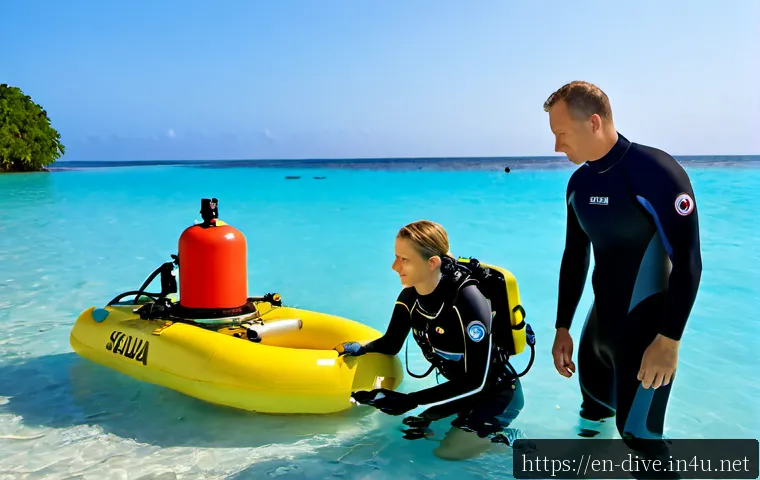
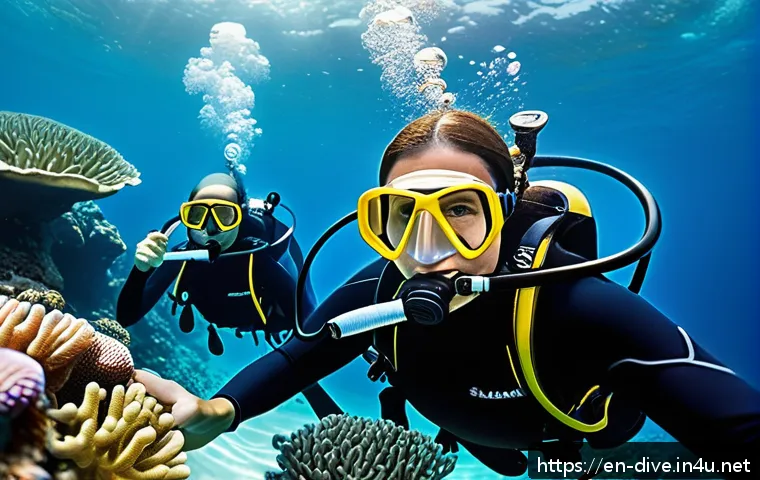
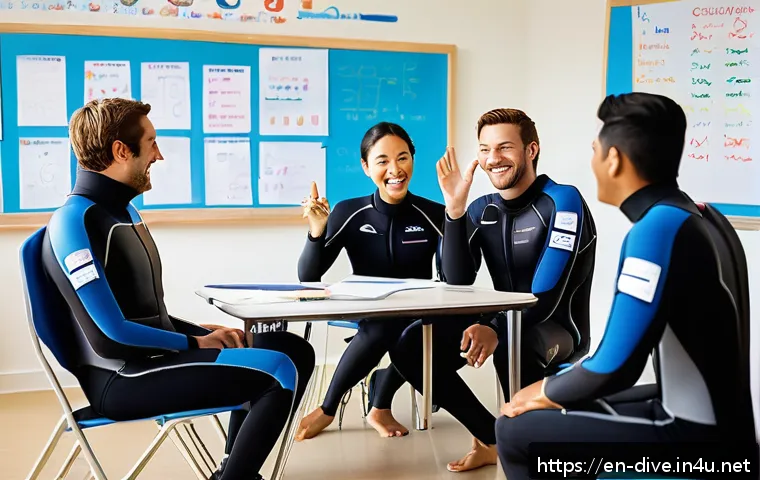
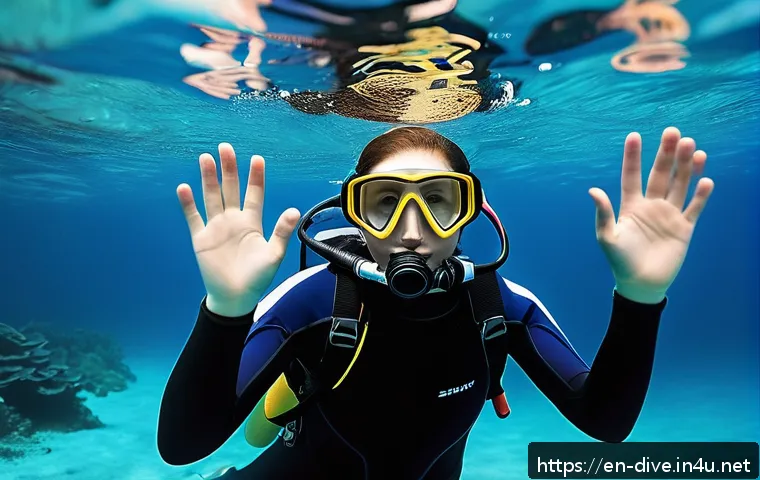
It’s truly incredible how many of us got into diving because we dreamed of escaping the ordinary, right? I remember my first few dives, feeling that incredible weightlessness and awe, thinking, “This is it, this is what I want to do with my life!” And for many of us, that dream blossomed into becoming a diving instructor, sharing the magic of the underwater world with others.

But let me tell you, what often goes unsaid in those sunny brochures is just how transformative building a truly global network can be for your career.
It’s not just about finding the next seasonal gig; it’s about shaping your entire professional journey and unlocking opportunities you might not even realize exist yet.
The diving industry is constantly evolving, with new trends emerging in sustainability, tech innovations like AI for data analysis, and an increasing demand for specialized skills.
I’ve personally seen how connecting with instructors from different corners of the globe has opened doors to incredible projects, from marine conservation efforts in Southeast Asia to pioneering advanced technical diving courses in Europe.
It’s no longer just about who you know in your local dive shop; it’s about leveraging platforms, attending virtual events, and even focusing on niche markets to create a truly international presence.
This kind of global reach can significantly boost your income potential and job security, making you a highly sought-after professional in a competitive market.
When you embrace networking on a global scale, you’re not just expanding your contact list; you’re future-proofing your passion and ensuring a vibrant, dynamic career.
Ready to dive deeper into how you can cultivate your own powerful global network as a diving instructor? Let’s uncover the strategies that truly work!
The Invisible Threads: Why a Global Network is Your Deepest Dive
Unlocking Untapped Opportunities Beyond Your Reef
You know, for a long time, I thought being a diving instructor meant finding a great local shop, getting busy with courses, and maybe enjoying a few seasonal migrations to warmer waters. And honestly, that’s a fantastic way to live and work! But what truly blew my mind, what truly transformed my career, was realizing that the world is so much bigger than just my immediate dive community. It’s like discovering a whole new ecosystem beneath the surface. I remember hearing about an instructor who was doing incredible work with coral restoration in the Philippines, and another who was pioneering adaptive diving techniques in Florida. These weren’t just distant stories; they were real people doing real, impactful work, and their experiences opened my eyes to a whole new realm of possibilities. Suddenly, the idea of a “dream job” wasn’t just about tropical beaches, but about challenging projects, innovative teaching, and truly making a difference. When you tap into a global network, you stop seeing just the next available boat slot and start seeing pathways to marine biology projects, specialized expedition leading, or even developing new diving technologies. It’s about more than just finding a job; it’s about curating a professional life that truly excites and fulfills you, constantly pushing the boundaries of what you thought was possible in this incredible industry.
Future-Proofing Your Passion: Navigating Industry Shifts
The diving world, like any industry, isn’t static. It’s constantly evolving, with new trends in conservation, advancements in gear technology, and shifts in traveler preferences. Remember when rebreathers felt like something out of a sci-fi movie, or when AI was just a buzzword? Now, these are becoming integral parts of certain diving disciplines. I’ve personally seen instructors who embraced these changes thrive, while others who clung to old ways struggled to keep up. A robust global network acts like your personal early warning system. You hear about emerging regulations in different countries, get insights into new eco-tourism initiatives, and even discover innovative teaching methodologies long before they become mainstream in your local area. It means you’re not just reacting to changes; you’re often anticipating them, or even better, actively shaping them. By connecting with instructors and professionals from diverse backgrounds, you gain a panoramic view of the industry, allowing you to adapt your skills, update your knowledge, and strategically position yourself for long-term success. It’s about building resilience into your career, ensuring that your passion for diving remains not just a hobby, but a sustainable and thriving profession for years to come.
Navigating the Digital Ocean: Platforms for Connection
Social Media Beyond the Holiday Pics: Professional Powerhouses
Alright, let’s be honest, we all love sharing those stunning underwater shots on Instagram. But beyond showcasing your latest dive adventure, social media platforms, when used strategically, can be incredibly powerful tools for global networking. I used to think of LinkedIn as just for corporate types, but it’s actually fantastic for connecting with professionals in the diving industry, from gear manufacturers to marine scientists and even resort owners. It allows you to showcase your professional certifications, your teaching philosophy, and even your unique specializations. And don’t underestimate Facebook groups! There are countless private groups dedicated to technical diving, women in diving, conservation efforts, or even specific regions. I’ve landed a few amazing opportunities just by being an active, helpful voice in these groups, sharing my experiences, and asking thoughtful questions. The trick is to treat these platforms not just as places to consume content, but as active communities where you can contribute value, engage in meaningful discussions, and genuinely connect with peers and potential collaborators. It’s not about self-promotion, but about building authentic relationships and demonstrating your expertise and passion. It’s truly amazing how a well-timed comment or a thoughtful post can lead to a connection that spans continents.
Niche Forums and Professional Hubs: Where the Pros Connect
Beyond the broad strokes of social media, there’s a whole universe of niche forums and dedicated professional hubs that cater specifically to the diving community. Think about platforms like PADI Pros’ Site forums, TDI/SDI instructor resources, or even more specialized technical diving forums. These are the places where the real deep dives into industry specifics happen. I’ve found invaluable advice on complex dive theory, shared best practices for challenging teaching scenarios, and even discovered job postings that never made it to general job boards. While some of these might require a membership or certification, the insights and connections you gain are absolutely worth it. It’s like having an expert panel at your fingertips, ready to share their knowledge and experience. Moreover, these platforms often host webinars, online workshops, and virtual meet-and-greets, providing excellent opportunities to learn new skills and meet new people without even leaving your home. The key is active participation – don’t just lurk! Share your knowledge, ask informed questions, and genuinely engage with the content and the people. I’ve noticed that when you consistently contribute thoughtful insights, you quickly become recognized as a valuable member of the community, opening doors to collaborations and friendships you wouldn’t believe.
Real-World Encounters: The Magic of Face-to-Face
Diving Expos and Conferences: More Than Just Freebies
Okay, I know, sometimes it feels like dive expos are just an excuse to get free stickers and marvel at the latest gear. And while that’s certainly part of the fun, these events are absolutely golden opportunities for real-world, face-to-face networking. I remember my first DEMA show; I was completely overwhelmed! But once I pushed past the initial shyness, I started striking up conversations with people at booths, during seminars, and even in line for coffee. You’d be amazed how many incredible connections I’ve made just by introducing myself, asking about their work, and sharing a bit about my own journey. These aren’t just sales events; they’re melting pots of industry leaders, innovators, resort owners, and fellow instructors from all corners of the globe. You get to put a face to the names you might only know from online forums, strengthen existing relationships, and forge entirely new ones. I’ve walked away from expos with potential job offers, invitations to collaborative projects, and even just fantastic new friends who share the same passion. The energy is infectious, and the sheer volume of expertise in one place is unparalleled. Plus, you often get to learn about new products and trends directly from the source, which is invaluable for staying current.
Collaborative Projects: Building Bonds Underwater and On Land
True, deep connections are often forged when you’re working towards a common goal. This is where collaborative projects really shine in global networking. Think about marine conservation initiatives, scientific expeditions, or even just assisting with advanced technical dives in a new location. My most memorable networking experiences haven’t been in conference rooms, but shoulder-to-shoulder with fellow instructors, working on a challenging wreck dive in the Caribbean, or setting up a new dive center in Southeast Asia. You get to see how different people approach problems, share your own expertise, and build a profound sense of camaraderie. These are the kinds of bonds that last a lifetime and open doors to future collaborations. For instance, I once helped out on a shark tagging project in Mexico, and through that, met researchers who later invited me to lead a diving component for another expedition in the Galapagos. These opportunities rarely come from just browsing job boards; they emerge from the trust and respect built through shared experiences and a willingness to contribute. It’s a testament to the fact that when you invest your time and energy into a project you believe in, the networking benefits are a natural and incredibly rewarding byproduct.
Cultivating Your Unique Niche: Standing Out Globally
Specializing for Success: The Power of Unique Skills
In a world with so many incredible diving instructors, just being “good” isn’t always enough to make you truly stand out on a global stage. This is where specialization comes into play. Think about what truly fascinates you in diving, what you’re genuinely passionate about, and then dive deep into mastering it. Maybe it’s sidemount technical diving, perhaps it’s becoming an expert in marine photography, or specializing in adaptive diving for individuals with disabilities. For me, focusing on underwater archaeology really opened up a whole new realm of connections. Suddenly, I wasn’t just another instructor; I was the “go-to” person for certain types of projects or training. This niche expertise makes you incredibly valuable and attracts specific opportunities that align with your unique skills. It’s like being a specialist doctor compared to a general practitioner – you might have fewer patients, but they’re coming to you for very specific, high-value reasons. When you cultivate a unique skill set, you naturally draw in others who share that same interest, creating a highly focused and passionate global network around your specific area of expertise. It differentiates you in a competitive market and gives you a compelling story to share.
Content Creation: Sharing Your Expertise with the World
In today’s digital age, your expertise isn’t just confined to the classroom or the dive boat. It can be shared with the entire world through content creation. And I’m not talking about fancy, professionally produced documentaries – although those are awesome! Even simple blog posts, YouTube tutorials on specific dive skills, or engaging social media threads discussing a unique aspect of marine life can position you as an authority. I started a small blog documenting my experiences with cold-water diving, and to my surprise, it connected me with instructors and enthusiasts from Norway, Canada, and even Antarctica! It felt incredible to know my experiences resonated with people so far away. When you consistently share valuable information, insights, and experiences, you build a reputation, attract like-minded individuals, and essentially create your own global platform. This content acts as a magnet, drawing in potential students, collaborators, and even employers who are looking for someone with your specific knowledge and approach. It’s a fantastic way to extend your reach beyond geographical limitations and showcase your personality and teaching style before anyone even steps into the water with you. It truly allows your passion to shine through and attract others to your world.
Bridging Borders: The Art of Cross-Cultural Communication
Understanding Dive Cultures: More Than Just Hand Signals
When you start networking globally, you quickly realize that while the ocean connects us all, dive culture can vary significantly from one country to another. It’s not just about language barriers; it’s about subtle nuances in etiquette, teaching styles, and even safety protocols. I remember being a bit flustered during my first stint teaching in Asia because the approach to student interaction was far more formal than what I was used to in the West. It wasn’t right or wrong, just different! Learning to navigate these cultural differences gracefully is an absolute superpower for a global instructor. It’s about being respectful, open-minded, and a little bit adaptable. Ask questions, observe, and genuinely try to understand the local customs and expectations. This goes beyond just knowing basic greetings; it’s about understanding how decisions are made, how feedback is given, and how relationships are built. When you show that you genuinely care about and respect the local dive culture, you build trust and rapport much more quickly. This understanding not only makes you a better instructor in diverse settings but also solidifies your global network with meaningful, respectful connections that truly last.

Language Skills: Your Passport to Deeper Connections
While English is widely considered the lingua franca of the diving world, being able to communicate in even a few phrases of a local language can dramatically enhance your networking efforts. It’s not about becoming fluent in every language; it’s about showing effort and respect. I’ve found that even attempting a few simple greetings or diving terms in Spanish, French, or Japanese can instantly break down barriers and create a warmer, more personal connection. It shows that you’ve invested a little bit of yourself in understanding their world. This can be particularly impactful when you’re trying to build relationships with local operators or when you’re participating in international projects. Beyond just practical communication, it also opens up a deeper understanding of cultural contexts and allows for more nuanced conversations. There are so many free apps and online resources available now that make learning basic conversational phrases incredibly accessible. Believe me, the smile and appreciation you receive when you try to speak someone’s native tongue, even imperfectly, are incredibly rewarding and truly solidify your place in their global dive community. It’s like having an extra layer of understanding, making your connections that much stronger.
Smart Moves for Sustained Growth: Monetizing Your Connections
Leveraging Referrals and Partnerships: A Win-Win for Everyone
One of the most powerful, and often overlooked, aspects of a strong global network is the potential for referrals and partnerships. It’s not about being transactional; it’s about mutual support and shared success. Imagine you have a student who wants to do a specialized cave diving course that you don’t teach, but you know an incredible instructor in Mexico who does. Referring that student to your trusted contact not only helps your student get the best training but also strengthens your relationship with that instructor. They’ll be more likely to send students your way when they have someone looking for, say, cold-water dry suit training that you excel at. This creates a virtuous cycle of referrals. Beyond individual students, think about partnerships with dive resorts, liveaboards, or even conservation organizations in different parts of the world. You could co-host specialty trips, lead workshops, or develop unique dive packages. I’ve seen this strategy turn casual acquaintances into long-term professional allies, leading to exciting new ventures and a significant boost to income potential. It transforms competition into collaboration, fostering a global community where everyone genuinely benefits from each other’s success and expertise. It truly shows that a rising tide lifts all boats, or in our case, all divers!
| Networking Strategy | Best For | Key Benefit | AdSense Impact (Example) |
|---|---|---|---|
| LinkedIn & Professional Groups | Formal connections, industry trends, job seeking | Access to decision-makers, specialized information | High dwell time if content shares actionable career advice. |
| Diving Expos & Conferences | Face-to-face interactions, brand visibility | Immediate rapport, direct collaboration opportunities | Content on “how to maximize your expo visit” attracts readers. |
| Niche Online Forums | Specific skill development, problem-solving | Deep dives into technical topics, expert insights | Longer page visits from users seeking detailed answers. |
| Collaborative Projects | Building trust, hands-on experience | Strong, lasting professional relationships, unique experiences | Blog posts detailing project experiences draw engaged readers. |
Consulting and Training: Sharing Your Expertise Globally
Once you’ve established yourself as an expert with a strong global network, incredible opportunities arise in consulting and specialized training. Your unique skills and experiences become a valuable commodity that others are willing to pay for, often from anywhere in the world. I’ve seen instructors consult on dive center layouts for new resorts in developing countries, train military or scientific dive teams in specific advanced techniques, or even develop bespoke safety protocols for unique underwater operations. This isn’t about teaching basic open water courses; it’s about leveraging your accumulated knowledge and network to provide high-level, specialized services. For example, if you’ve spent years mastering deep technical wreck diving in challenging conditions, there’s a market for you to train others in those specific skills, whether it’s in person at a destination or even through online mentorship and curriculum development. This kind of work is often highly remunerative and offers incredible flexibility, allowing you to choose projects that truly excite you, regardless of geographical location. It’s a testament to the power of building a strong reputation and having the global connections to market your unique expertise effectively. You become more than just an instructor; you become a highly sought-after expert in your field.
The Long Game: Nurturing Your Global Dive Tribe
Consistent Engagement: Keep the Current Flowing
Building a global network isn’t a one-and-done kind of deal; it’s an ongoing process, much like maintaining your dive gear. You wouldn’t just clean your regulator once and expect it to last forever, right? The same goes for your professional connections. Consistent engagement is absolutely key to keeping your network vibrant and alive. This means more than just connecting with someone on LinkedIn and then forgetting about them. It means genuinely reaching out periodically – a quick message to congratulate them on a new project, sharing an article you think they’d find interesting, or simply checking in to see how they’re doing. I try to make it a point to connect with a few people from my network each week, just to say hello or offer a quick thought on something relevant. These small, consistent efforts compound over time, reinforcing relationships and ensuring that when an opportunity arises, you’re top of mind. It’s about being present, being thoughtful, and showing that you value the connection beyond just what it might do for you. Remember, a strong network is built on genuine human connection, not just a list of contacts.
Giving Back: The Reciprocal Nature of True Networking
Here’s a secret I’ve learned about truly effective global networking: it’s not just about what you can get, but what you can give. The most robust and rewarding networks are built on reciprocity. Be generous with your knowledge, your time, and your connections. If someone in your network asks for advice, offer it freely. If you know two people who could benefit from knowing each other, make the introduction. I’ve often gone out of my way to help other instructors, whether it was proofreading a new course outline, offering a word of encouragement, or sharing a lead on a potential gig, without expecting anything in return. And almost always, that generosity comes back to you tenfold, often in unexpected ways. When you’re known as someone who is helpful, supportive, and genuinely invested in the success of others, your reputation precedes you. People are more inclined to connect with you, refer you, and collaborate with you. It fosters a sense of community rather than competition, creating a truly global “dive tribe” where everyone supports each other. It’s a beautiful thing to be part of, and it ensures that your network isn’t just a professional asset, but a source of genuine friendship and camaraderie that enriches your life far beyond your career.
Ending Thoughts
Whew! What a journey we’ve been on, exploring the incredible power of a global dive network. It’s truly amazing to think about how much more there is to our passion than just the local reef. I’ve personally felt the shift from simply working a job to genuinely building a rich, connected, and incredibly rewarding career, all thanks to the amazing people I’ve met from every corner of the ocean. Connecting with fellow enthusiasts and professionals worldwide has not only opened doors to opportunities I never imagined but has also deepened my love and understanding of the underwater world itself. So, if there’s one thing I hope you take away from this, it’s that your dive tribe is out there, waiting for you to connect and grow together. Dive in!
Useful Information to Know
1. Start by identifying your niche or specific area of interest. This makes it easier to find like-minded individuals and targeted groups, whether it’s technical diving, marine conservation, or underwater photography.
2. Don’t be afraid to reach out! A friendly introduction or a thoughtful comment can be the beginning of a truly valuable connection. Remember, everyone in the industry started somewhere, and most are happy to share their experiences.
3. Prioritize genuine engagement over passive consumption. Actively participate in online discussions, ask insightful questions, and offer your unique perspectives to build your reputation as a valuable member of the community.
4. Consider attending at least one major dive expo or conference each year. The face-to-face interactions are unparalleled for building rapport and discovering immediate collaboration opportunities you won’t find anywhere else.
5. Always follow up! A quick, personalized email or message after a meeting or online interaction can solidify a new connection and show that you value their time and the potential for future collaboration.
Key Takeaways
Building a robust global dive network is more than just collecting contacts; it’s about cultivating a thriving ecosystem of shared passion, expertise, and mutual support. By embracing digital platforms, attending real-world events, and specializing your skills, you not only unlock incredible career opportunities but also future-proof your professional journey in an ever-evolving industry. Remember to approach networking with authenticity, offer value, and always nurture your connections through consistent engagement and genuine reciprocity. This isn’t just about professional growth; it’s about enriching your life with a worldwide community of fellow ocean lovers who can inspire, challenge, and collaborate with you on your most exciting underwater adventures.
Frequently Asked Questions (FAQ) 📖
Q: Okay, so I’m absolutely convinced about the power of a global network, but honestly, where do I even begin? It feels a little overwhelming to think about connecting with people all over the world!
A: I completely get that feeling! When I first started thinking beyond my local dive shop, the sheer scope of it seemed daunting. But trust me, it’s more accessible than you think.
My absolute favorite starting point is leveraging online professional platforms. Think about groups dedicated to diving professionals on platforms like LinkedIn, or even more niche forums for specific diving disciplines, like technical diving or marine conservation.
I’ve personally found incredible opportunities and formed lasting friendships just by being active and genuinely engaging in those spaces. Don’t just lurk; share your experiences, ask thoughtful questions, and offer advice where you can.
Another fantastic avenue is virtual diving conferences or webinars. Remember that feeling of camaraderie when you’re on a dive boat? These virtual events often replicate that energy, and they’re brilliant for meeting people you wouldn’t otherwise.
I still chuckle remembering a lively discussion I had with an instructor from the Philippines during a virtual symposium about coral restoration; we ended up collaborating on an educational project a few months later!
Consistency is key here – it’s not about a single grand gesture, but a steady effort to connect and contribute. Start small, be authentic, and watch those connections organically grow.
Q: You mentioned that a global network can significantly boost income potential and job security. Can you give me some concrete examples of how that actually plays out for a diving instructor in the real world? How does it truly translate into financial gains and career stability?
A: Absolutely! This is where the rubber meets the road, and I’ve seen it transform careers firsthand. The most immediate impact I felt was access to a far wider range of job opportunities.
Instead of just seasonal work in one location, I suddenly had leads for winter gigs in the Caribbean, summer contracts in the Mediterranean, or even specialized training roles in unexpected places.
This means less downtime between jobs and a much more consistent income stream. But it goes deeper than just finding more jobs. A global network often leads to better jobs – roles with higher pay, better benefits, or those requiring specialized skills that command a premium.
For example, I recall connecting with a group of instructors through a virtual summit who were pioneering rebreather training in a lesser-known region.
Because I had built a relationship with them, they reached out when they needed a new instructor, offering a package far more attractive than anything I’d seen locally.
Beyond direct employment, a strong network opens doors to collaborative projects, like leading bespoke dive tours, consulting on dive safety protocols, or even contributing to marine research, all of which can significantly diversify and increase your income.
It essentially makes you a more sought-after, resilient professional, less vulnerable to local market fluctuations.
Q: This all sounds incredible, but honestly, I’m a bit introverted, or maybe I just don’t know how to approach people in different countries. What are some real-world tips for overcoming those initial hurdles and truly connecting with instructors from diverse backgrounds?
A: Oh, I hear you! It’s easy to feel a bit shy or unsure where to start, especially when you’re reaching out across cultures. My biggest piece of advice, and something I always remind myself, is to lead with genuine curiosity and a shared passion.
We’re all united by our love for diving, right? That’s your common ground. Instead of thinking “I need to network,” think “I want to learn from someone who sees the underwater world differently than I do.” Start by asking questions about their local diving conditions, unique marine life, or the specific challenges and joys of teaching in their region.
I’ve found that people love talking about their experiences. Another tip is to offer value, even if it feels small. Maybe you’ve got a great tip for a specific piece of gear, or an innovative way to explain a complicated concept.
Sharing that can spark a conversation. Don’t be afraid of the language barrier either; most in the diving world speak at least some English, and a genuine smile and a bit of effort go a long way.
I’ve had some of my most meaningful connections with instructors who spoke limited English, simply because we found ways to communicate through our shared underwater language.
And finally, follow up! A quick, friendly message after an initial connection can solidify a budding relationship. Remember, you’re not trying to sell anything; you’re building a community.
Be yourself, be interested, and the connections will flow naturally.