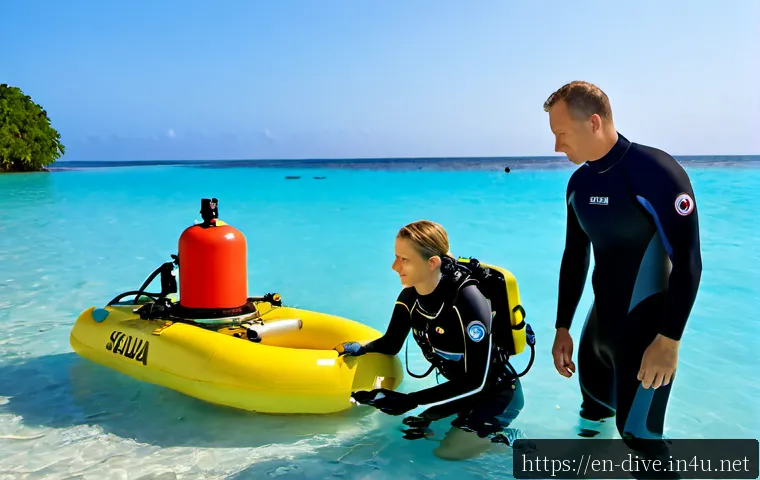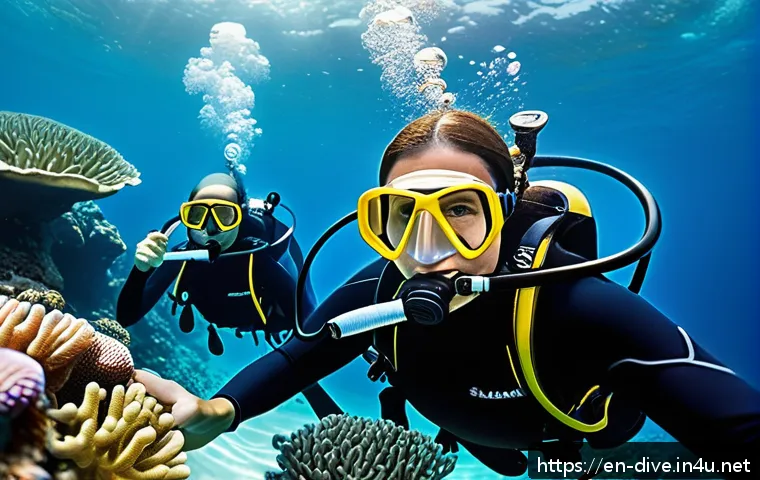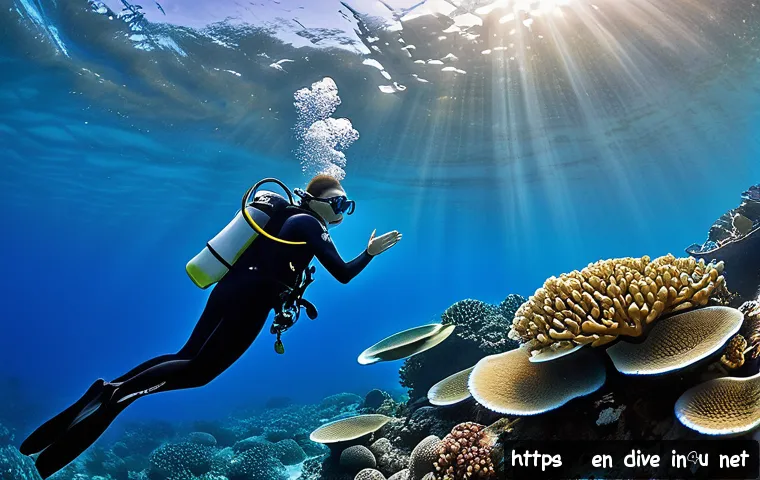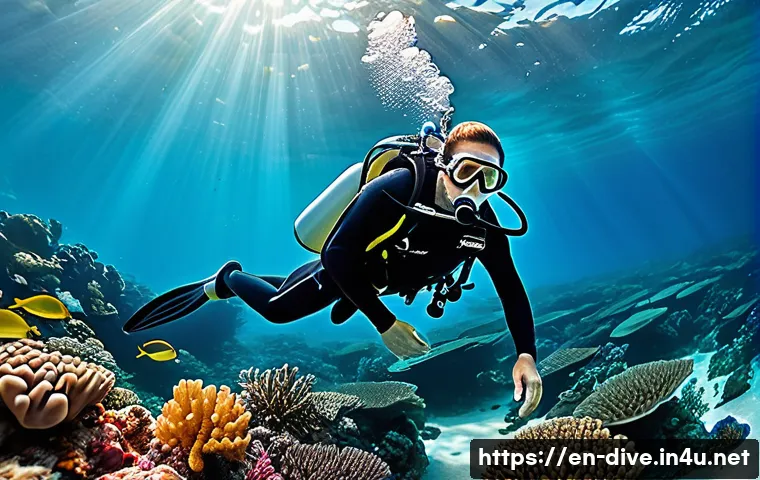
Hey fellow adventurers! Ever scrolled through Instagram, seeing those breathtaking underwater shots and thought, “Wow, being a diving instructor must be the ultimate dream job!”?
Believe me, I’ve had those exact thoughts, and I’ve also lived through the incredible highs – and yes, a few challenging lows – of this unique profession.
It’s undeniably rewarding to share the ocean’s magic, guiding eager students to discover a whole new world beneath the waves. From my own experience, the freedom to travel, teach, and explore some of the planet’s most pristine environments is unparalleled, fostering a connection with nature that few careers offer.
However, beneath the surface of this idyllic lifestyle lies a complex reality, often involving long hours, seasonal fluctuations, and the immense responsibility for safety in an ever-changing marine environment.
We’ll explore how shifting global travel trends and a growing focus on marine conservation are reshaping the industry, bringing both new opportunities and unique challenges to those who make the ocean their office.
So, if you’ve ever truly wondered what it *really* takes to make a lasting splash in this amazing field, prepare to gain some serious insights right here.
Beyond the Tropical Paradise: The Real Day-to-Day
The Grind Behind the Glamour
When people imagine a diving instructor’s life, they often picture endless sunny days, crystal-clear waters, and a permanent tan. And don’t get me wrong, there are plenty of those moments that truly make your heart sing!
But from my own experience, it’s a job that often starts before dawn and doesn’t finish until long after sunset, especially during peak season. You’re not just diving; you’re lugging heavy tanks, maintaining intricate equipment, filling out paperwork, coordinating with dive centers, and constantly monitoring weather and sea conditions.
I vividly remember one season where I was teaching back-to-back open water courses, and by the end of the day, my muscles ached in places I didn’t even know existed.
It’s incredibly physical work, and the mental energy required to keep students engaged, safe, and positive is immense. You’re part psychologist, part educator, and part gear-hauler, all rolled into one.
It’s a demanding lifestyle that requires serious dedication and a deep, genuine love for what you do, because those early mornings and late nights really add up.
More Than Just Blowing Bubbles: Behind-the-Scenes Prep
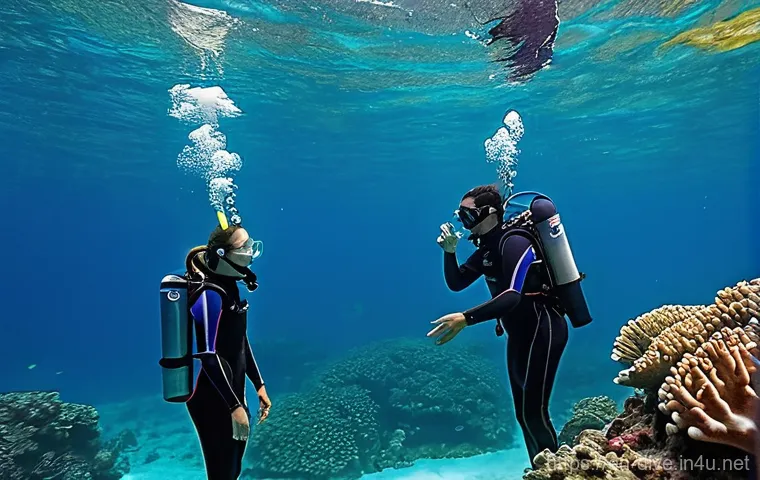
People often see us effortlessly gliding through the water, but what they don’t see is the meticulous preparation that goes into every single dive. Before even touching the ocean, there’s the classroom work, ensuring students grasp complex physics and physiology.
Then comes the pool training, patiently guiding them through mask clearing and regulator recovery until it’s second nature. This isn’t just about ticking boxes; it’s about building confidence and competence that will keep them safe in the open water.
And for us instructors, it’s not just teaching; it’s constantly refreshing our own knowledge, staying updated on emergency protocols, and often, performing equipment maintenance and repairs ourselves.
I’ve spent countless hours replacing O-rings, troubleshooting fin straps, and ensuring every piece of equipment is in perfect working order. This behind-the-scenes hustle is crucial and often unglamorous, but it’s what allows us to create those magical underwater experiences that everyone else sees.
Navigating the Financial Tides: Making a Living Underwater
The Ebbs and Flows of Income
Let’s talk brass tacks because, let’s be real, you can’t eat stunning sunsets. The financial reality of being a diving instructor can be quite a roller coaster.
When I first started, I quickly learned that income isn’t linear. It heavily depends on location, season, and the specific dive center you’re working with.
During the high season in a popular tourist destination, you can be incredibly busy, racking up dives and certifications, which translates into decent earnings.
But then there’s the low season, or if you’re working in a less bustling area, where work can dry up faster than a wetsuit in the sun. This often means living frugally, sometimes even taking on other odd jobs to make ends meet.
It’s a trade-off: the freedom of the ocean often comes with financial unpredictability. Saving money during the busy months is absolutely critical, and I quickly learned the importance of having a financial buffer.
Beyond Just Teaching: Diversifying Your Dive Dollars
To truly thrive financially in this industry, I’ve found that you can’t just rely on teaching basic courses. Smart instructors often diversify their skills and offerings.
This might mean getting specialty instructor ratings – think Nitrox, deep diving, sidemount, or even technical diving. The more advanced and specialized you are, the more valuable you become, and typically, the higher your earning potential per student.
Selling dive gear, leading guided fun dives, or even taking on underwater photography or videography gigs can also significantly boost your income. Many instructors, myself included, also leverage their travel experiences to create content for blogs or social media, generating passive income through affiliations or ads.
It’s all about finding those niche opportunities and constantly upskilling to stay relevant and valuable in a competitive market.
The Art of Teaching: Guiding New Explorers
Patience, Empathy, and a Splash of Humor
Teaching people to dive is so much more than just reciting standards and demonstrating skills. It requires an enormous amount of patience and empathy.
Every student is different; some are natural in the water, others are terrified of putting their face in. I’ve had students who cried underwater out of fear and others who were so excited they couldn’t stop laughing into their regulator.
Your job is to meet them where they are, understand their anxieties, and gently guide them through their fears. There’s an art to breaking down complex skills into manageable steps and building confidence step by step.
And honestly, a good sense of humor goes a long way. Being able to crack a joke or share a lighthearted story can often break the tension and make the learning process much more enjoyable for everyone, including yourself.
It’s an incredibly rewarding feeling to witness someone overcome their apprehension and discover the pure joy of breathing underwater for the first time.
From Novice to Navigator: The Transformative Journey
The most incredible part of teaching, for me, is watching the transformation. You see someone arrive on day one, perhaps nervous and unsure, struggling with their gear on land.
Then, over a few days, they slowly but surely gain comfort, master essential skills, and start to move with grace underwater. By the end of the course, they’re not just divers; they’re confident explorers, ready to embark on their own underwater adventures.
That moment when a student surfaces from their final open water dive, eyes sparkling, bubbling with excitement and pride – that’s the ultimate payoff.
Knowing that you’ve opened up an entirely new world for them, instilled a deep appreciation for the marine environment, and equipped them with life-saving skills, is truly unparalleled.
It’s a profound privilege to be part of that journey.
Safety First, Always: The Immense Responsibility
Constant Vigilance in an Unpredictable Environment
Being a diving instructor carries a heavy weight of responsibility, a weight that you feel with every single breath you take underwater with your students.
The ocean is an incredible, beautiful, but ultimately unpredictable environment. Currents can shift, visibility can drop, and equipment can malfunction – sometimes all at once.
My personal experience has taught me that you need to be constantly vigilant, assessing risks, and planning for contingencies at every single step. Before every dive, I perform thorough checks, not just of my own gear, but also of my students’ equipment, making sure everything is in perfect order.
Underwater, your eyes are on everyone, all the time, monitoring air consumption, depth, buddy contact, and overall well-being. It’s not about fear; it’s about respect for the environment and an unwavering commitment to the safety of those under your care.
This level of focus can be mentally exhausting, but it’s absolutely non-negotiable.
Handling the Unexpected: Emergency Preparedness
No matter how much you plan, things can go wrong. That’s why being impeccably prepared for emergencies is paramount. Every instructor worth their salt spends countless hours on emergency simulations, from lost diver procedures to assisting an unconscious diver.
I remember a particularly stressful moment when a student panicked during a mask clearing exercise. My training immediately kicked in, and I was able to calm them down, guide them through the skill, and restore their confidence.
It’s in those moments that you truly appreciate the rigorous training and protocols that govern our profession. Knowing that you have the skills and knowledge to handle a crisis, to potentially save a life, is a core part of the instructor role.
This constant readiness means not just physical preparedness, but also the mental fortitude to remain calm and decisive under pressure.
Embracing the Nomad Life: Travel and Community

A Passport to the Planet’s Most Beautiful Spots
One of the undeniable, absolutely incredible perks of this job is the travel. I’ve had the privilege of working in places I once only dreamed of seeing on postcards.
From the vibrant reefs of the Caribbean to the majestic kelp forests of California, and the breathtaking marine biodiversity of Southeast Asia, my “office” has been truly spectacular.
This isn’t just a vacation; it’s living and working in these stunning locations, immersing yourself in local cultures, and experiencing destinations far beyond the typical tourist traps.
It’s an unparalleled opportunity to see the world, and for someone with an adventurous spirit like mine, it’s a huge draw. Each new location brings a different set of challenges and wonders, constantly expanding your horizons and making every day an adventure.
Building a Global Family Under the Waves
Beyond the breathtaking scenery, the diving community itself is something truly special. As you move from one dive destination to another, you meet fellow instructors, divemasters, and passionate divers from all walks of life.
These aren’t just colleagues; they often become your chosen family on the road. We share stories, frustrations, incredible moments, and help each other out, whether it’s lending a hand with equipment or offering a couch to sleep on.
I’ve made lifelong friends from every corner of the globe through diving, and that sense of camaraderie and shared passion is incredibly powerful. It’s a supportive network that truly feels like a global family, united by our love for the ocean.
Shaping the Future: Conservation and Sustainable Diving
Becoming an Ocean Advocate
More than ever, being a diving instructor today means also being an advocate for our oceans. We are on the front lines, witnessing the beauty but also the fragility of marine ecosystems.
From my perspective, it’s impossible to spend so much time underwater and not feel a deep sense of responsibility to protect it. This isn’t just about personal passion; it’s becoming an integral part of the job.
Many dive centers now actively participate in conservation efforts, whether it’s reef monitoring, clean-up dives, or educating tourists about responsible interactions.
I’ve personally been involved in numerous projects, and it adds an incredibly fulfilling layer to the profession. Teaching students not just how to dive, but how to be respectful, environmentally conscious divers, is a crucial aspect of what we do now.
It’s about instilling a sense of guardianship for the underwater world in every person we train.
The Rise of Eco-Tourism and Sustainable Practices
The diving industry itself is evolving, with a growing emphasis on eco-tourism and sustainable practices. Tourists are increasingly seeking out operations that prioritize conservation, which in turn creates more opportunities for instructors who are knowledgeable and passionate about marine protection.
This means dive centers are looking for instructors who can lead conservation-focused specialty courses, educate guests on local marine life, and ensure minimal impact during dives.
It’s a positive shift that aligns perfectly with the values many of us hold. Embracing and promoting these sustainable approaches isn’t just good for the planet; it’s becoming essential for career longevity and finding work with reputable, forward-thinking operations.
The Unspoken Perks: Why We Keep Coming Back
Moments of Pure Magic
Despite the long hours, the financial uncertainties, and the immense responsibilities, there are these truly magical moments that make it all worth it.
It might be witnessing a majestic whale shark glide silently past, having a playful seal interact with your group, or simply watching the sunlight dapple through a vibrant coral garden.
These are the moments that take your breath away, reminding you of the incredible privilege of your “office.” I remember a dive where a curious manta ray circled our group for what felt like an eternity, completely unfazed by our presence.
Those experiences aren’t just sights; they’re feelings that resonate deep within you, reinforcing your connection to the ocean and making all the hard work vanish.
Personal Growth and Unforgettable Lessons
Beyond the incredible marine encounters, being a diving instructor pushes you to grow in ways you never anticipated. You become a better problem-solver, a more patient teacher, and incredibly adaptable.
You learn resilience, resourcefulness, and how to stay calm under pressure. Living in diverse environments, working with people from all cultures, and constantly facing new challenges builds character like nothing else.
The lessons learned, both about the ocean and about yourself, are profound and truly priceless. It’s a career that continuously challenges you, yes, but also rewards you with personal growth and a wealth of unforgettable experiences that truly enrich your life.
| Aspect | Typical Realities for a Dive Instructor |
|---|---|
| Income Predictability | Highly seasonal; significant fluctuations between peak and off-peak months. Expect varied earnings based on location and dive center volume. |
| Work Hours | Long, irregular hours, especially during peak seasons. Often includes early mornings, late evenings, and weekends. |
| Physical Demands | Physically demanding, involving lifting heavy gear, prolonged time in water, and constant movement. Requires good physical fitness. |
| Travel Opportunities | High potential for international travel, working in diverse marine environments globally. Often requires frequent relocation. |
| Career Advancement | Progresses through advanced specialty instructor ratings, technical diving, or management roles within dive centers. |
| Living Arrangements | Often involves shared accommodation provided by dive centers or independent, often minimalist, living arrangements in transient locations. |
Wrapping Things Up
Whew! We’ve taken quite a deep dive into the real talk of being a scuba instructor, haven’t we? It’s truly a world away from the postcard-perfect image, filled with just as much grit and dedication as it is with dazzling marine life. But as you’ve hopefully gathered from my own experiences, it’s also a career path that offers unparalleled rewards. The personal growth, the incredible connections you make, and those jaw-dropping moments underwater truly make every single challenging day worth it. It’s a demanding life, yes, but for those of us who feel the ocean calling, it’s an utterly unforgettable adventure.
Useful Information to Know
1. Diversify Your Skillset: Don’t just stop at your basic instructor ratings. Getting specialty instructor certifications in areas like Nitrox, deep diving, or even technical diving can significantly boost your earning potential and open up more opportunities in varied environments. It makes you a more valuable asset to any dive operation, and from my personal experience, it keeps the work interesting too!
2. Build a Strong Network: The diving world is surprisingly small and incredibly interconnected. Connecting with other instructors, divemasters, and industry professionals through online forums, social media groups, or even just by visiting different dive centers, can lead to your next job, mentorship, or even just a place to crash when you’re between contracts. I’ve found that some of my best gigs came purely through word-of-mouth recommendations.
3. Master Your Budget: Given the seasonal nature of income, learning to live frugally and save during peak seasons is absolutely essential. Many instructors learn to manage on a tight budget during the off-season, or they strategically choose locations that offer year-round work. Having a financial cushion can greatly reduce stress and allow you to fully enjoy the nomadic lifestyle without constant worry.
4. Prioritize Self-Care: The job is physically and mentally demanding. Long hours, constant vigilance, and often living away from familiar comforts can take a toll. Make sure you’re getting enough rest, eating well, and finding ways to decompress. Whether it’s yoga, reading, or just enjoying a quiet sunset, taking time for yourself will help prevent burnout and keep your passion for diving alive.
5. Embrace Continuous Learning: The ocean is vast, and marine science, dive technology, and best practices are always evolving. Stay current with industry developments, refresh your emergency skills regularly, and continue learning about the marine environment you operate in. This commitment to ongoing education not only enhances your professionalism but also enriches your own understanding and appreciation of the underwater world.
Key Takeaways
Becoming a diving instructor is far from a permanent vacation, requiring significant dedication and hard work, often with demanding physical and mental challenges. From my perspective, it’s a lifestyle that demands more than just a love for the ocean; it asks for resilience, constant learning, and a deep sense of responsibility. Financially, the journey is often a rollercoaster, heavily influenced by seasonality and location, underscoring the vital need for astute financial planning and diversified skills beyond basic instruction to ensure a stable income. This could mean acquiring specialized ratings or exploring roles in dive gear sales or underwater photography.
The core of the job, teaching, is immensely rewarding but requires boundless patience and empathy, transforming nervous novices into confident underwater explorers. This includes not just technical skills but also fostering a profound respect for the marine environment. The weight of safety is ever-present; constant vigilance and rigorous emergency preparedness are non-negotiable in an unpredictable environment. While it offers incredible travel opportunities to the world’s most beautiful dive sites and fosters a global community of like-minded individuals, it’s also a role that has evolved to include crucial ocean advocacy and promoting sustainable diving practices, reflecting a growing industry trend towards eco-tourism. Ultimately, despite the challenges, the unique magic of underwater encounters and the profound personal growth derived from overcoming obstacles make it an unparalleled and deeply fulfilling career choice for those drawn to the ocean’s embrace.
Frequently Asked Questions (FAQ) 📖
Q: What’s the biggest “reality check” for aspiring dive instructors, beyond the dreamy travel photos?
A: Oh, this is a question I get all the time, and it’s a good one because the Instagram-perfect life doesn’t always tell the whole story. While the travel and the incredible marine life are absolutely real perks, the biggest reality check for many is the sheer amount of responsibility and the often-unpredictable work schedule.
I remember my first few months, thinking it would be all sun-drenched dives and relaxed teaching. Boy, was I in for a surprise! We’re not just tour guides; we’re essentially underwater babysitters, safety officers, and marine educators all rolled into one.
You’re constantly monitoring students, especially beginners who might panic or struggle with buoyancy, and you’re the first line of defense if something goes wrong.
This means long hours, sometimes starting before dawn for boat prep and not finishing until well after sunset after cleaning gear and doing paperwork.
There’s a heightened duty of care, and you have to be ready to manage risks and respond to emergencies, all while maintaining a calm and encouraging demeanor for your students.
It’s intensely rewarding, don’t get me wrong, but it requires a level of vigilance and dedication that many don’t anticipate from the outside looking in.
And let’s not forget the physical demands – lugging tanks, swimming against currents, and being in the water for hours can really take it out of you.
Q: How does the “freedom to travel” aspect of being a dive instructor genuinely align with making a stable income?
A: This is where things get really interesting, and honestly, it’s a balancing act that takes some smart planning. The dream of globetrotting from one stunning dive spot to another is definitely achievable, but financial stability can be a bit more elusive, especially when you’re starting out.
In my experience, most dive instructor roles, particularly in popular tourist destinations, are seasonal or commission-based. This means your income can fluctuate wildly.
During peak season, you might be swamped with students and making decent money, sometimes upwards of $2,000 to $4,000 USD a month in high-traffic areas, which feels amazing.
But then the off-season hits, and suddenly, those paychecks shrink, sometimes to as low as $500-$800 USD, or you might find yourself needing to relocate or find other work.
I’ve learned that truly embracing the travel aspect often means being flexible with where you live and understanding that you might move around every 6-12 months following the seasons.
To really thrive financially, it often involves gaining more experience, getting specialty instructor ratings (like technical diving), and learning how to upsell courses or equipment.
Some instructors even go freelance or work on liveaboards, which can offer better earning potential but also comes with managing your own expenses and insurance.
It’s not always a steady paycheck, but it’s an incredible trade-off for the experiences you gain.
Q: With the growing focus on marine conservation, how is that impacting the daily life and responsibilities of dive instructors?
A: Oh, this is a huge one, and it’s personally one of the most fulfilling aspects of the job right now! The increasing awareness of marine conservation isn’t just a trend; it’s a fundamental shift in our industry, and it has absolutely reshaped my daily routine and priorities.
Gone are the days when a dive instructor just taught skills; now, we’re frontline ambassadors for the ocean. Every single dive, every single student, is an opportunity to educate and inspire.
I find myself spending more time explaining marine ecosystems, talking about responsible diving practices like perfect buoyancy control to avoid damaging corals, and discussing the impact of human activity.
It’s not just “don’t touch the reef” anymore; it’s a deeper conversation about why. Many dive centers are actively involved in conservation projects, from coral restoration to clean-up dives, and as instructors, we often lead these initiatives or integrate them into our courses.
For me, that means incorporating conservation messages into my briefings, actively pointing out interesting marine life and explaining its importance underwater, and leading by example with my own eco-friendly habits.
It truly adds another layer of meaning to the work, making us not just teachers of diving, but guardians of the underwater world for future generations.
It feels good to be part of something bigger than just teaching people to blow bubbles.